
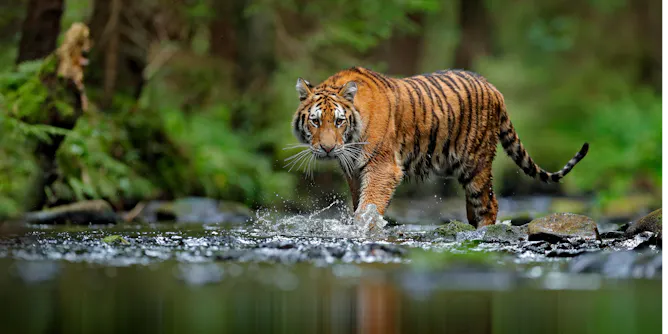
One in 200 jaguars are likely to be affected by dams, versus one in five tigers.
Articles on Habitat loss
Displaying 61 - 80 of 119 articles
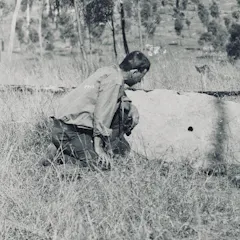
The paradise parrot was rediscovered by Cyril Jerrard, a Queensland grazier, in December 1921. But its return was fleeting.
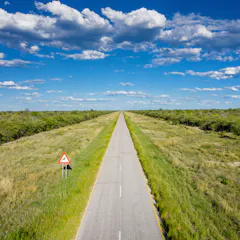
The presence of roads, even inside protected areas, may pose a significant threat to species.
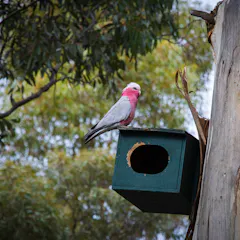
New research reviewed more than 200 studies, and found the science underpinning artificial refuges — think nest boxes and artificial burrows — must be improved.
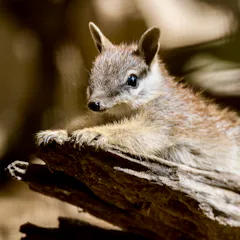
Given the scale of the problem, five years was never enough time to turn things around. Clearly, we must reflect honestly on our successes and failures so far.

About 60 per cent of monkeys, apes, lemurs, lorises and tarsiers are threatened with extinction. Climate change will only make it more difficult for them to survive.

For phascogales, tree hollows are getting harder to find. I venture into forests and study how well artificial hollows made with chainsaws can replace them.

What can gardeners use that isn’t so bad for the climate?
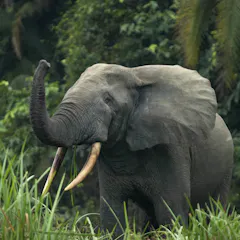
A new review of the status of African elephants finds scientific grounds for dividing them into two species, and reports that both have suffered drastic population declines since 1990.
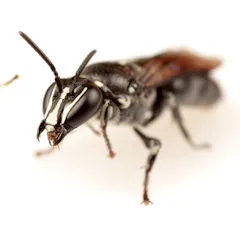
The last time a specimen was collected was in 1923.
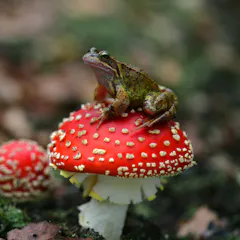
Britain’s native amphibians are in steep decline thanks to wetlands disappearing and ponds drying up.
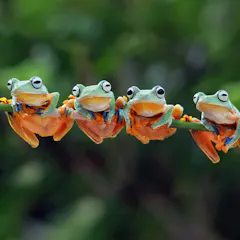
Food farmed in tropical and Mediterranean climates comes at a higher cost to biodiversity than that grown elsewhere.

The world missed all 20 targets for stemming the tide of biodiversity loss. But there has been some progress over the last decade.
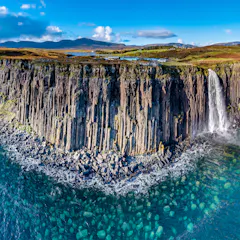
Maerl beds are the coral reefs of the British Isles. But like their tropical counterparts, they’re threatened by climate change.
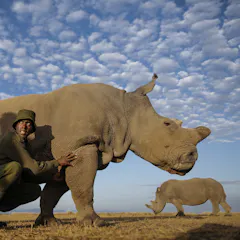
A conservation scientist interviewed on the programme says Sir David tells it like it is.
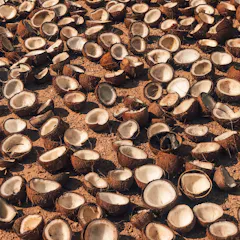
The coconut – an icon of unspoiled tropical idylls – causes more environmental harm than many people realise.
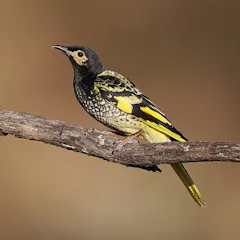
Some threatened species hit hard by the bushfires this summer have populations in and around urban areas, which are now crucial refuges. Here are some tips to help improve their odds of survival.

The current state of our climate shouldn’t be dismissed as a ‘new normal’. The hard truth is many of our ecosystems will not recover from the damage.
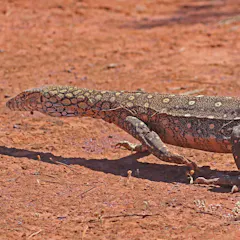
There are 60,000 abandoned mines in Australia. How do we restore them so that animals return? A researcher’s epic fieldwork project in WA’s Mid West could help provide the answers.
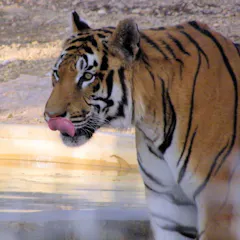
The Earth has experienced five periods of mass extinction. Scientists can’t quite be certain yet, but they’re fairly sure we’re now well into the sixth.
Top contributors
-

Professor in Conservation Science, School of the Environment, The University of Queensland
-
Professor of Environmental Management, The University of Queensland
-
Professor in Wildlife Ecology and Conservation, School of Life & Environmental Sciences, Deakin University
-
Professor in Ecology, Charles Sturt University
-
Distinguished Research Professor and Australian Laureate, James Cook University
-
Professor, Urban Ecology and Biodiversity, The University of Melbourne; RMIT University
-
Professor, TC Beirne School of Law, The University of Queensland
-
Honorary Research Fellow, University of Sydney
-
Professor & Director, QUT Centre for Environment and Society, Queensland University of Technology
-
ARC Future Fellow, Queensland University of Technology
-
Professor, Conservation Biology, The University of Queensland
-
Lecturer in Conservation, The University of Queensland
-
Senior Research Fellow, Centre for Biodiversity and Environment, UCL
-
Professor in Conservation Science, School of Ecosystem and Forest Science, The University of Melbourne
-
Postdoctoral Research Fellow in Conservation Science, The University of Queensland