
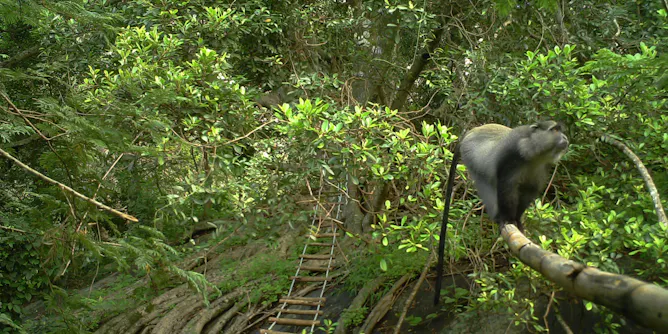
Researchers encourage citizen scientists to contribute to datasets on animal deaths caused by infrastructure. This will inform efforts to reduce the human impact on biodiversity.
Articles on Habitat loss
Displaying 41 - 60 of 119 articles
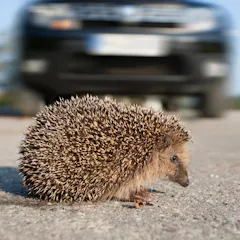
Research on Denmark’s hedgehogs offers insight into their cause of death – and how to help them.
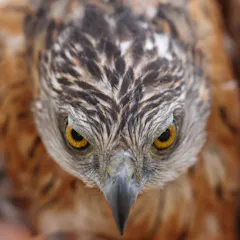
The first comprehensive population assessment of the raptor affectionately known as The Red reveals a species in trouble. Australia’s rarest bird of prey needs our help.
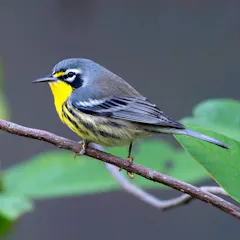
The Bahama warbler favours large pine trees and palms, fieldwork shows.
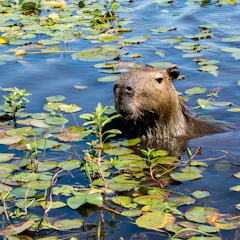
The swamp has not yet been drained everywhere.

Most of us have heard of the dangers of deforestation but there are other more subtle ways that human beings can endanger monkeys, apes and lemurs.
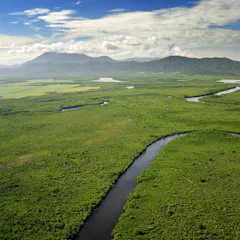
When species naturally hybridise, the influx of genes can reduce their risk of extinction as climate change shrinks their habitats.
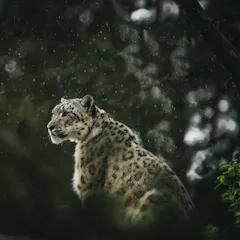
New research finds nearly 30% of land animals could disappear form their local area by 2100 due to climate change and habitat destruction. This is more than double previous predictions.
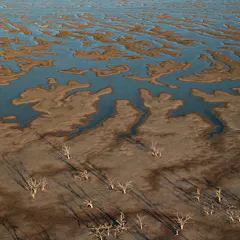
Indigenous engineering and care for Country points to a better way to manage the Baaka.
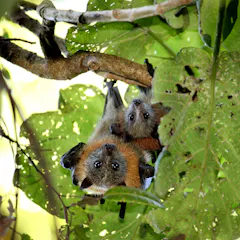
Bats host many viruses dangerous to humans. But it’s only when their habitats are destroyed that we’re at risk.
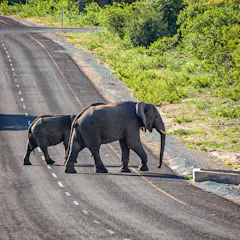
A study of tweets posted in 2019 found that tweets about elephant conservation didn’t align with the actual greatest threats to the animals, creating the risk of misdirected funding.

Honey bees, wild and native bees face threats from parasites, pesticides and habitat loss. Shorter winters, more extreme weather and more habitat destruction won’t help.
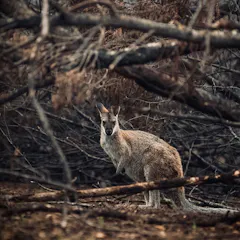
The paltry spending means many species severely impacted by the megafires were left in desperate trouble, potentially pushing some closer to extinction.
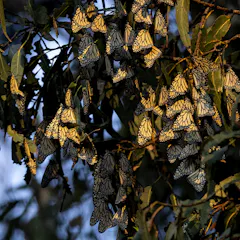
The iconic monarch butterfly has been added to the Red List of endangered species, but hasn’t received protection in the US yet. That’s not necessarily a bad thing.
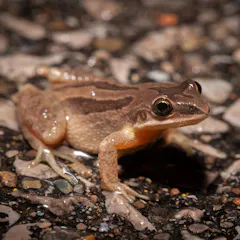
Habitat protection and restoration, advanced reproductive technologies and reintroduction procedures could help slow the decline of western chorus frogs and other amphibians.
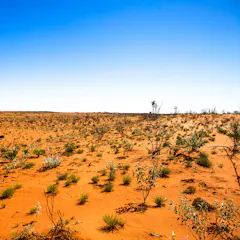
This fictitious project approval helps us better understand how environmental governance in Australia has gone badly wrong.
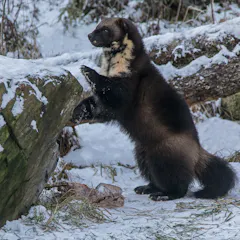
The key to protecting wolverines around the world is to reduce trapping, minimize predator control pressures, and to protect and connect large blocks of intact habitat they need to survive.
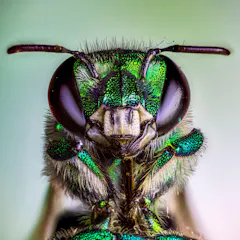
Insect numbers and species decline steeply where agriculture and habitat loss coincide. Preserving natural habitat can reduce losses up to nine-fold
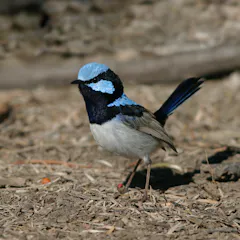
Increasing revegetation from 1% to 10% of the landscape doubled the number of woodland bird species. The collective efforts of landowners can make a real difference for native wildlife.
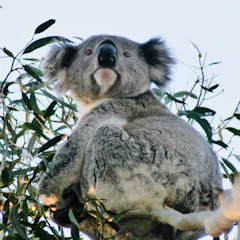
It’s only fair to expect results from vast sums of public money spent on koala conservation. But continued land clearing badly undermines the investment.
Top contributors
-

Professor in Conservation Science, School of the Environment, The University of Queensland
-
Professor of Environmental Management, The University of Queensland
-
Professor in Wildlife Ecology and Conservation, School of Life & Environmental Sciences, Deakin University
-
Professor in Ecology, Charles Sturt University
-
Distinguished Research Professor and Australian Laureate, James Cook University
-
Professor, Urban Ecology and Biodiversity, The University of Melbourne; RMIT University
-
Professor, TC Beirne School of Law, The University of Queensland
-
Honorary Research Fellow, University of Sydney
-
Professor & Director, QUT Centre for Environment and Society, Queensland University of Technology
-
ARC Future Fellow, Queensland University of Technology
-
Professor, Conservation Biology, The University of Queensland
-
Lecturer in Conservation, The University of Queensland
-
Senior Research Fellow, Centre for Biodiversity and Environment, UCL
-
Professor in Conservation Science, School of Ecosystem and Forest Science, The University of Melbourne
-
Postdoctoral Research Fellow in Conservation Science, The University of Queensland