
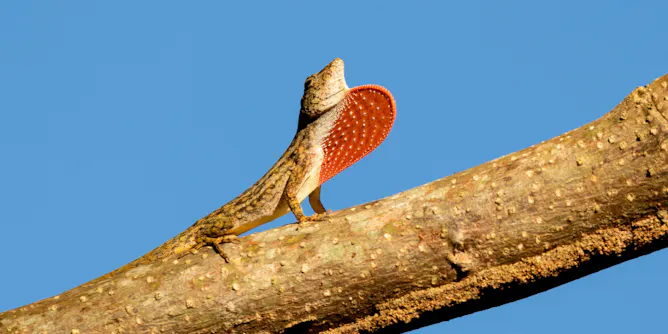
New research documents how drones were used to track the temperatures of the Bay Islands anole lizard on the Honduran island of Utila.
Articles on Habitat loss
Displaying 21 - 40 of 119 articles

Rewilding is about finding ways to let nature thrive and regenerate. Around the world, cities and community projects are doing just that.
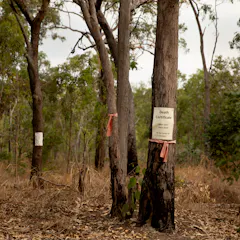
Building ecological grief literacy in workplaces can help environmental professionals manage constant exposure to the many causes of their grieving.
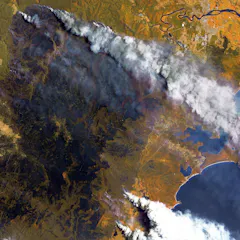
We compiled maps of bushfires and prescribed burns in southern Australia from 1980 to 2021 to see how fire activity is changing habitat for 129 threatened species such as mountain pygmy possums.
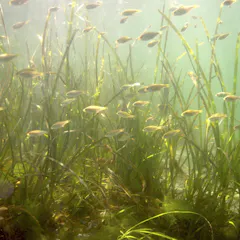
Overall, coastal habitat restoration greatly increases animal numbers and diversity. But not all projects deliver the goods and we need to find out why.
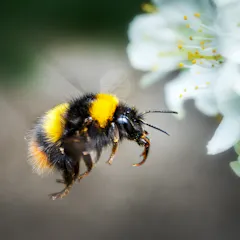
Check that something is blooming every week, March through October, to help bees.

Green anacondas are the world’s heaviest snakes, and among the longest. it’s remarkable this hidden species has slipped under the radar until now.

Nature, everyone agrees, is in trouble. But can Australia’s new market-based mechanism help?
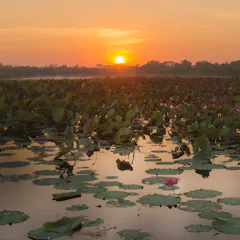
A group of prominent environmental scientists devised this list of 5 things we must see in Australia’s new national environmental laws, if we are to avoid calamity and hasten recovery.

Environmental degradation of Nigeria’s Niger Delta region is causing poverty as well as food insecurity, increased crime and conflict.
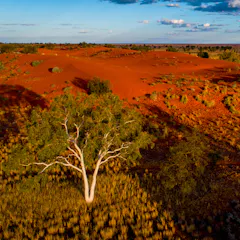
Australia has a once-in-a-decade opportunity to fix environmental law. A new Wentworth Group report says the cumulative impacts from multiple projects must be considered.
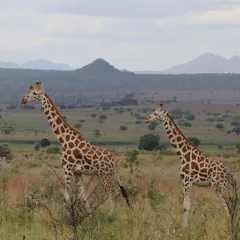
The largest ever giraffe tracking study shows how these massive animals are responding to human pressures across many different habitats throughout Africa.

The UN ‘30 by 30’ biodiversity strategy aims to set aside 30% of land as protected areas. New research shows these areas do support biodiversity, but big parks also increase it outside their borders.
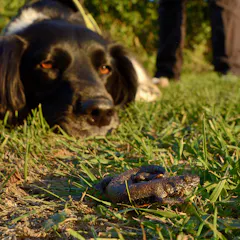
Great crested newts cause expensive delays to construction – trained sniffer dogs may offer a solution.

Meltwater rivers in the European Alps will change as glaciers melt – threatening animals that are vital for alpine ecosystems with habitat loss.
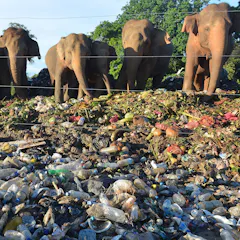
A new study looks back into history to assess human impacts on the range of Asian elephants and finds sharp decline starting several centuries ago.
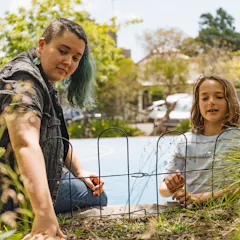
The 10-week pilot program Totemic Species in Schools shows how Indigenous science can be woven into the existing curriculum. Students, teachers and parents provided positive feedback.

Australia’s plan to create the world’s first nature repair market is a bold move, but it could be a big part of a zero extinction Australia. So there’s every reason to give biodiversity markets a go.

To give native species their best chance of survival, we have to embrace ecosystem-based conservation – rather than trying to rescue individual species in isolation.
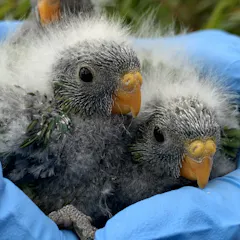
New research shows that if captive breeding stopped tomorrow, orange-bellied parrots would soon become extinct. So we’re locked into breeding programs until we can solve the underlying problems.
Top contributors
-

Professor in Conservation Science, School of the Environment, The University of Queensland
-
Professor of Environmental Management, The University of Queensland
-
Professor in Wildlife Ecology and Conservation, School of Life & Environmental Sciences, Deakin University
-
Professor in Ecology, Charles Sturt University
-
Distinguished Research Professor and Australian Laureate, James Cook University
-
Professor, Urban Ecology and Biodiversity, The University of Melbourne; RMIT University
-
Professor, TC Beirne School of Law, The University of Queensland
-
Honorary Research Fellow, University of Sydney
-
Professor & Director, QUT Centre for Environment and Society, Queensland University of Technology
-
ARC Future Fellow, Queensland University of Technology
-
Professor, Conservation Biology, The University of Queensland
-
Lecturer in Conservation, The University of Queensland
-
Senior Research Fellow, Centre for Biodiversity and Environment, UCL
-
Professor in Conservation Science, School of Ecosystem and Forest Science, The University of Melbourne
-
Postdoctoral Research Fellow in Conservation Science, The University of Queensland