

Insects are often under pressure from several threats at once, from pesticides to habitat loss to pollution.
Articles on Habitat
Displaying 21 - 40 of 92 articles

The Florida Wildlife Corridor, which turns 15 this year, connects habitats across the state for panthers, bears, sparrows and other species.
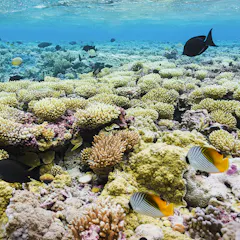
America’s marine protected areas help fish populations thrive. Trump’s plan to open them to industrial fishing may ultimately harm the fishing industry itself.

The causes involve more than just habitat loss, but there are steps you can take to help save these delicate creatures

Managed well, golf courses can bring nature back to our cities. Here’s how to balance the good and bad for urban biodiversity.
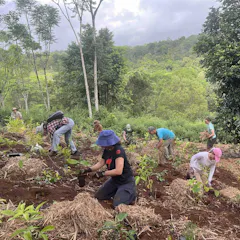
Replanting habitat corridors offers wildlife a way to move between isolated habitat – and much of this is done by volunteer groups.
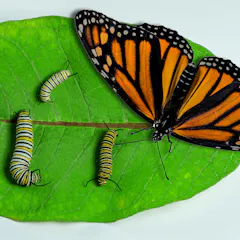
Will protecting monarch butterflies under the Endangered Species Act improve their chance of surviving? Not necessarily, 2 entomologists caution.
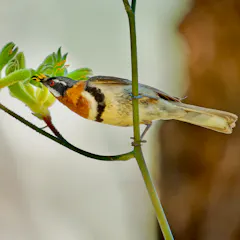
Months of hot and dry weather, with only 23mm of rain recorded over seven months, drove some species to seek food and water in the city.
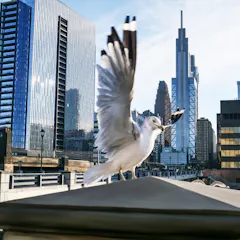
Humans aren’t the only species to consider when constructing new buildings. This course teaches students to take animals into account as well.
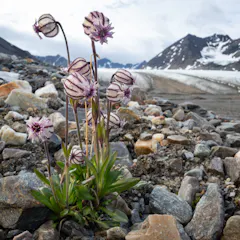
From the Arctic to the Himalayas, New Zealand and even Mexico, glaciers worldwide are retreating. But what happens when the ice is gone?
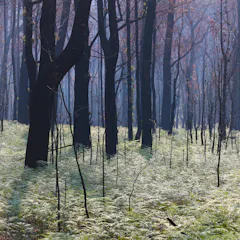
A new report challenges the notion that repairing our continent is a task too big and expensive to tackle.

Trees are better at designing habitat than we are. Can we use machine learning to get some tips?
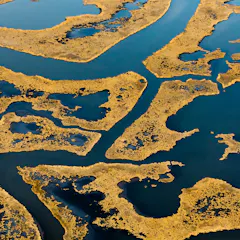
A coastal scientist explains why marshes, mangroves and other wetlands can’t keep up with the effects of climate change, and how human infrastructure is making it harder for them to survive.
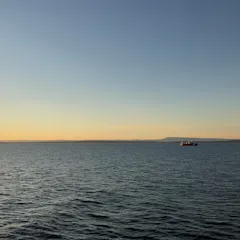
Atlantic halibut are making a strong comeback in the Gulf of St. Lawrence. But how do we know where the fish move throughout their lives?
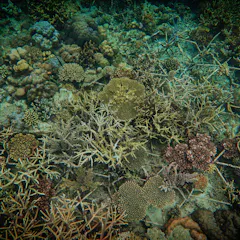
Artificial reef stars have been added to damaged coral reefs in Sulawesi, Indonesia. A new study shows that within just four years, restored reefs are thriving as much as healthy reefs.
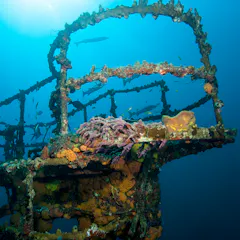
Artificial reefs are structures that humans put in place underwater that create habitat for sea life. A new study shows for the first time how much of the US ocean floor they cover.
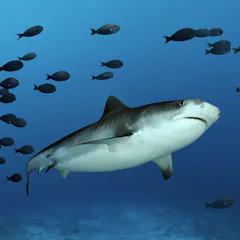
A new initiative is pinpointing areas in the world’s oceans that are key habitats for sharks and their relatives, so that governments can consider protecting these areas.

Feral hogs are one of the most destructive invasive species in North America, harming land, crops and wildlife.
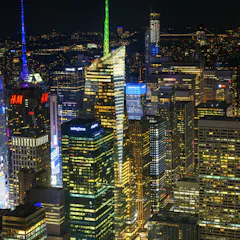
Migrating birds need stopover locations en route where they can rest and feed. A new study shows that artificial light draws them away from sites they would normally use and into risky zones.
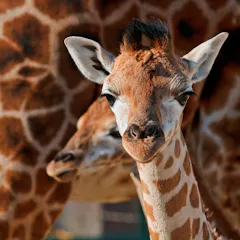
Giraffes are vulnerable to extinction, mainly due to habitat loss and killing for bushmeat markets. The good news is human actions can alleviate that danger.
Top contributors
-

Associate professor, The University of Melbourne
-
Assistant Professor of Biological Sciences, Binghamton University, State University of New York
-
Postdoctoral fellow, Australian National University
-
Professor of Environmental Science, Australian National University
-
Professor in Ecology, Charles Sturt University
-
Researcher at Deep Design Lab and PhD Candidate at Melbourne School of Design, The University of Melbourne
-
Professor of Law, University of California, Davis
-
Affiliate Faculty in Environmental Science, Montana State University
-
Faculty Research Associate in Marine Biology, Arizona State University
-
Forest and fire scientist, The University of Melbourne
-
Pro Vice Chancellor for Research and Innovation, University of the West of Scotland
-
Curator of Zoological Collections and Assistant Professor, Western University
-
Ph.D. candidate, Biological Oceanography, Scripps Institution of Oceanography, University of California, San Diego
-
Lecturer in Ornithology, Ecology, Conservation and Parasitology, Charles Sturt University
-
Scientist at South African National Parks & PhD student at the CIB, Department of Botany and Zoology, Stellenbosch University