

Earth is fast approaching the red lines that scientists have urged temperatures cannot cross if we have any hope of avoiding catastrophic climate change. Here are the emergency measures we need.
Articles on Geoengineering
Displaying 41 - 60 of 79 articles

In the context of accelerating geopolitical, technological and environmental change, we need to radically reassess how we perceive airspace legally.
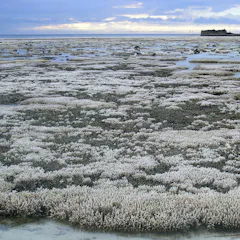
Climate mitigation efforts are unlikely to be enough to save critical ecosystems like the Great Barrier Reef. We may need to consider more radical environmental engineering.

Universities must train scientists to engage with the ethics of emerging technologies, rather than functioning as cogs in the engine of economic development. Integrating the arts into STEM can help.

A disaster fantasy raises questions about tinkering with Earth’s climate. With real-life scientists exploring geoengineering, what conversations should we be having now around these technologies?
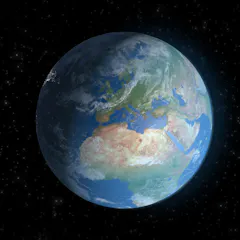
The prospect of attempting to engineer the world’s climate has become a lot more real since the Paris Agreement.
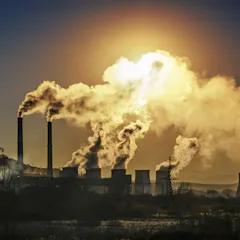
It’s increasingly likely that at some point, the world’s nations will need to broach the fraught discussion of geoengineering. The UN climate accord was a natural forum to do it.
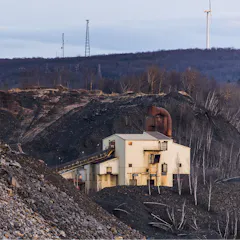
Scientists want to exploit a natural process of carbon storage.

It’s a daunting technical challenge. But the key question is whether such engineering is socially acceptable.
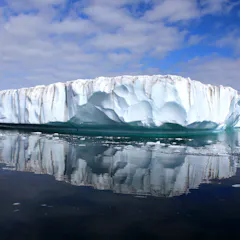
The Paris agreement has given us some solid targets to aim for in terms of limiting global warming. But that in turn begs a whole range of new scientific questions.

Yes, we blunt the effects of climate change by getting off fossil fuels. But countries’ most ambitious targets imply use of climate engineering schemes – and that discussion should be done in public.
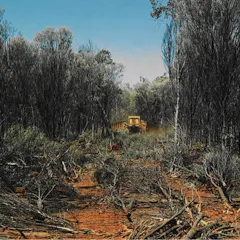
We’re going to have to adapt to climate change, but some of the options on the table could do more harm than good if they destroy the ecosystems that protect us.

Geoengineering could help regions affected by climate change deal with the problem.
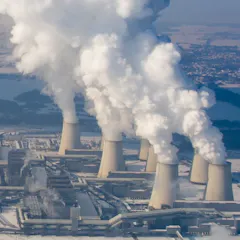
Sometime soon we’ll need to take more carbon out of the atmosphere than we emit – but how?
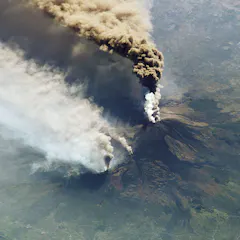
Blocking the sun by injecting tiny particles in the atmosphere – called solar geoengineering – can lower the Earth’s temperature but has some real costs. Economists run the numbers.
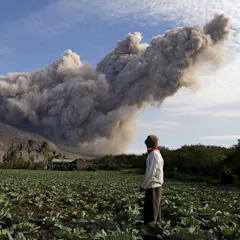
Though climate engineering has lots of problems we need to do more than simply cut emissions.

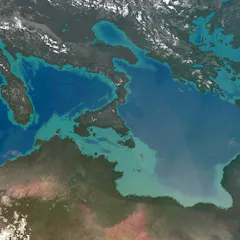
The dust storm that turned Sydney red in 2009 triggered plankton blooms in the Tasman Sea, demonstrating how we might fertilise the ocean to take up more carbon dioxide.
Imagine building a dam across the Strait of Gibraltar and draining the Mediterranean in order to generate vast amounts of hydroelectricity and create fertile new lands.

No matter how much we reduce greenhouse gas emissions, it will not be enough to keep global warming below 2C. Does this mean we should give up? Not at all.
New research shows that we’ll have to remove carbon from the atmosphere for any chance of keeping warming below 2C.
Top contributors
-

Director, Centre for Climate Repair, University of Cambridge
-
Professor of Engineering Dynamics and Vibration, University of Cambridge
-
Host, The Conversation Weekly Podcast, The Conversation
-
Research Associate, University of Cambridge
-
Professor and Scott Presidential Chair in Environmental Science and Engineering, Colorado State University
-
Professor of Global Environmental Governance, Wageningen University
-
Assistant Professor of Earth and Atmospheric Sciences, Indiana University
-
Professor of Environmental Law, University of Tasmania
-
Research scientist, CSIRO
-
Research Lead, Carbon Dioxide Removal, CSIRO
-
Presidential Fellow in Environment, University of Manchester
-
Assistant Director of the Global Systems Institute, University of Exeter
-
James Martin Fellow, Oxford Martin School, Environmental Change Institute and Institute for Science Innovation and Society, University of Oxford
-
PhD Scholar in Climate Governance, Australian National University
-
Professorial Fellow, Australian-German Climate and Energy College, The University of Melbourne