
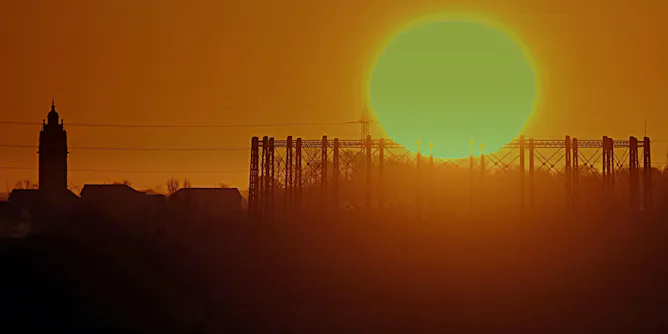
Solar geoengineering experiments are being funded, but researchers disagree over what they can tell us – and whether they should happen at all.
Articles on Geoengineering
Displaying 1 - 20 of 79 articles

As reflective white clouds become scarcer, learning to read the clouds could become essential in helping glimpse the changes upon us.
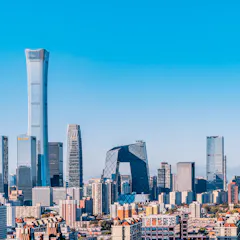
Atmospheric scientist Laura Wilcox talks to The Conversation Weekly about the measures China took to improve its air pollution – and the unintended consequences for the climate.

A communications researcher lays out the dynamics of conspiracy theory belief and why they gain traction in times of anxiety and uncertainty.
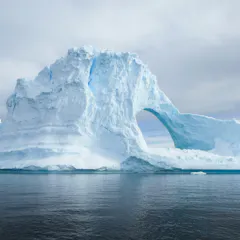
The plans could also unintentionally harm fragile polar ecosystems.
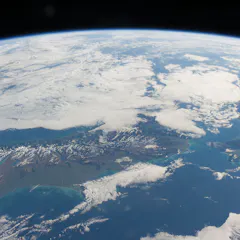
Any legislation of climate actions needs to be based on scientific evidence and informed decisions.

This issue divides climate academics more than almost any other.

The UK becomes the first country to put serious public money into solar geoengineering.
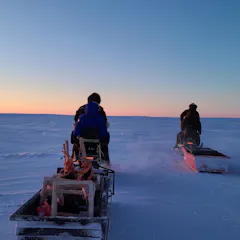
Scientists are pumping seawater onto existing ice to make it thicker and more resilient.

Trump has long been a climate-sceptic. But he’s close to tech figures who like big technological solutions to global problems.
The risks of solar geoengineering will be magnified if critics are ignored and researchers are allowed to self-regulate.
The second of two episodes on geoengineering from The Conversation Weekly podcast examines the case against solar radiation modification.
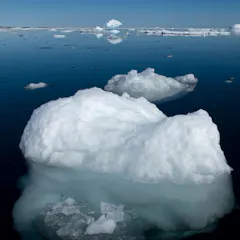
In the first of two episodes on geoengineering, The Conversation Weekly examines the case for repairing the climate with technological interventions.
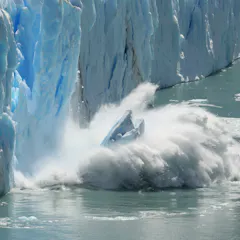
The net zero approach of the Paris agreement has become detached from reality as it increasingly relies on science fiction levels of speculative technology.
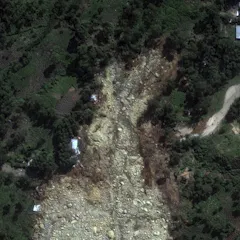
Landslides are usually sudden and cause devastation in their wake. Here’s why they are seemingly impossible to predict.

The big question: Would climate engineering like sending reflective particles into the stratosphere or brightening clouds help reduce the national security risks of climate change or make them worse?

Geoengineering proposals to cool the ocean would indeed reduce ice loss from West Antarctica’s glaciers, but not enough to stop sea-level rise or allow the ice sheet to regrow.
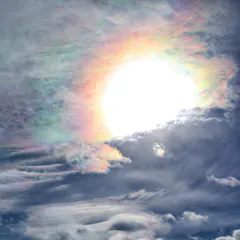
A UN meeting this week considered a motion on a suite of technologies known as ‘solar radiation modification’, but no consensus could be reached on the controversial topic.
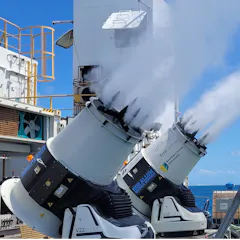
Australian is experimenting with marine cloud brightening to cool and shade the Great Barrier Reef. Here’s how it works.
A new report explores options for managing the period after global warming exceeds 1.5°C. This is called ‘climate overshoot’, because we’re pushing past the safe zone into dangerous climate change.
Top contributors
-

Director, Centre for Climate Repair, University of Cambridge
-
Professor of Engineering Dynamics and Vibration, University of Cambridge
-
Host, The Conversation Weekly Podcast, The Conversation
-
Research Associate, University of Cambridge
-
Professor and Scott Presidential Chair in Environmental Science and Engineering, Colorado State University
-
Professor of Global Environmental Governance, Wageningen University
-
Assistant Professor of Earth and Atmospheric Sciences, Indiana University
-
Professor of Environmental Law, University of Tasmania
-
Research scientist, CSIRO
-
Research Lead, Carbon Dioxide Removal, CSIRO
-
Presidential Fellow in Environment, University of Manchester
-
Assistant Director of the Global Systems Institute, University of Exeter
-
James Martin Fellow, Oxford Martin School, Environmental Change Institute and Institute for Science Innovation and Society, University of Oxford
-
PhD Scholar in Climate Governance, Australian National University
-
Professorial Fellow, Australian-German Climate and Energy College, The University of Melbourne