
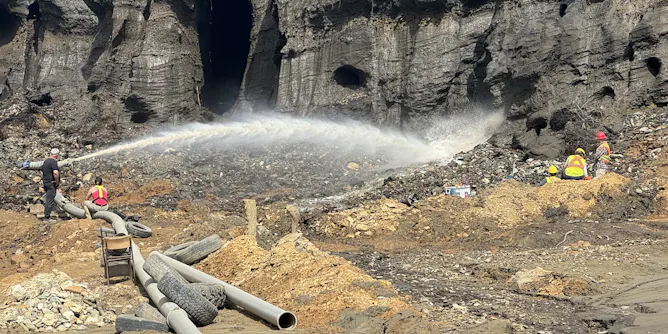
Permafrost holds an extraordinary molecular record of ancient life — and we are only now learning to read it, just as warming begins to erase it.
Articles on Genetic research
Displaying all articles
Most autistic people support genetic research but fear how the findings might be used. Their concerns are becoming harder to dismiss.

If you were a 23andMe customer, your genetic and personal information could be used in civil or criminal cases, targeted advertising, medical discrimination and so much more.
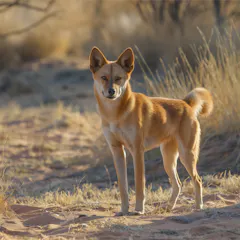
New genetic research shows dingoes are not breeding with domestic dogs in the wild. But that could change if lethal control measures continue to decimate populations in Victoria.
Victor Ambros received half of the Nobel Prize for his work on microRNAs. Here he talks about the teamwork – and the nematodes – that made the discovery possible.
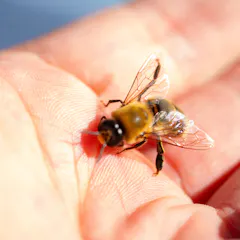
Australia could still take action in the fight against Varroa that wasn’t possible elsewhere. But to do so, we need to fill urgent gaps in bee research.

Many people know someone with a genetic disease, but few understand how gene mutations work.
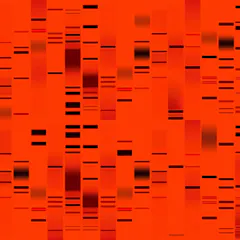
A failed experiment led the researchers to question their assumptions and realize that, contrary to popular belief, chromosomes interact with and affect genetic expression.

Biobanks collect and store large amounts of data that researchers use to conduct a wide range of studies. Making sure participants understand what they’re getting into can help build trust in science.

One genetic study of over a quarter million people highlights the cognitive benefits of exercise, while another, based on 30 years of scientific literature, says the opposite. Who’s right and who’s wrong?
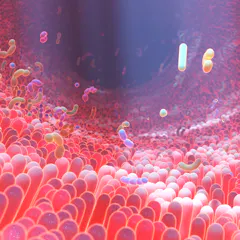
A new study shows that the gut microbiota has little or no effect on our weight, metabolism and risk of developing chronic diseases.
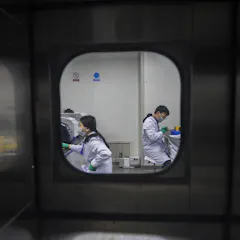
Genetic research is big business and has yielded life-saving treatments. But experts are warning of caution about ‘gain of function’ research that has the pandemic potential.
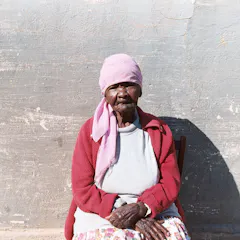
The South African Khoe-San communities are no strangers to exploitative research. One research team is trying to provide genetic ancestry results to community members. But they still face many challenges.
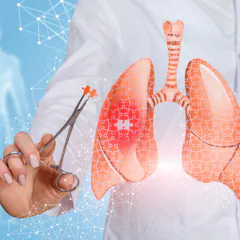
Unlocking the genetic cause of cystic fibrosis, and identifying treatments, has moved the prognosis from near certain death in infancy, to a median survival in Canada of 52 years.
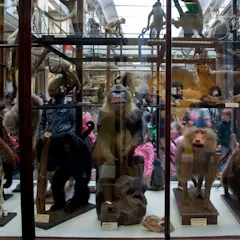
Genetic information that could help finger the next infectious threat is stored in museums around the world.

Genetic testing could help us build targeted and effective training routines for athletes, but the emerging science could also introduce opportunity for discrimination in the sporting world.
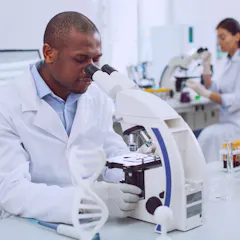
Genomics research is crucial to identify Africa-specific solutions to a range of diseases.

The fight against malaria needs scientific innovation. But community buy-in is just as important.
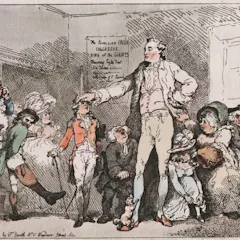
The remains of Irish giant Charles Byrne were stolen 250 years ago then displayed in a museum. Campaigners want them back for proper burial.
Top contributors
-

Head, Malaria Research and Training Center, Université des sciences, des techniques et des technologies de Bamako
-
Professor, Faculty of Health Sciences, L’Université d’Ottawa/University of Ottawa
-
PhD Candidate in Anthropology, University of California, Davis
-
Professor, Department of Earth and Atmospheric Sciences, University of Alberta
-
Professor, ANU Bee lab, Australian National University
-
Professor of Pediatrics and Principal Investigator, Pacific Center for Emerging Infectious Diseases Research, University of Hawaii
-
Professor of Biology and Curator, Division of Mammals, Museum of Southwestern Biology, University of New Mexico
-
Professor of Anthropology and Biochemistry and the Micheal G. DeGroote Chair in Genetic Anthropology, McMaster University
-
Scientist, Ancient DNA Lab (Biodiversity Genomics division) at the Hakai Institute and Adjunct Assistant Professor, Anthropology, McMaster University
-
Postdoctoral Research Fellow, Center for Paleogenetics, Stockholm University
-
Chercheur au Centre de recherche de l’Institut universitaire de cardiologie et de pneumologie de Québec et Professeur titulaire au Département de médecine, Université Laval
-
Étudiante au doctorat en médecine moléculaire (correction génétique de maladies héréditaires), Université Laval
-
Programme Manager, African Academy of Sciences
-
Associate Professor of Anthropology, University of California, Davis
-
Lecturer in Energy Law, University of Dundee