
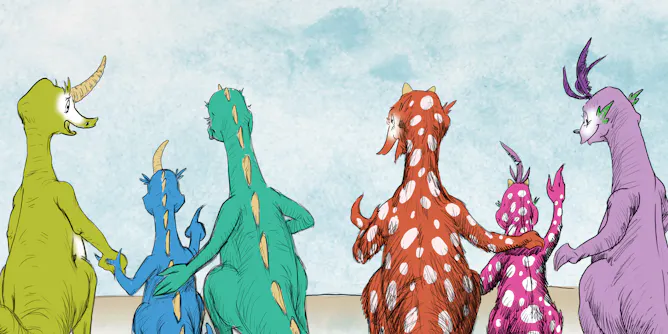
People don’t randomly select who they have children with. And that means an underlying assumption in research that tries to link particular genes to certain diseases or traits is wrong.
Articles on Genes
Displaying 41 - 60 of 208 articles
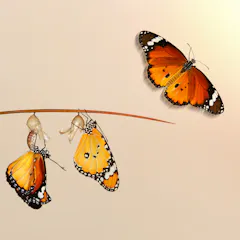
There is more to evolution than the genes species inherit.
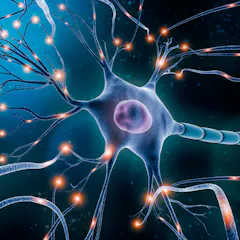
This technique could also be applied to other conditions, such as Parkinson’s disease.
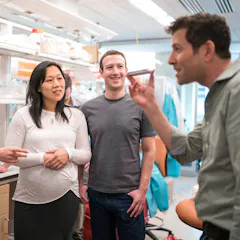
Pioneered by the Human Cell Atlas consortium, our understanding of the human body is about to be transformed – and with it, the way we treat and prevent disease

Genetic mutations can impact our ability to reproduce – even via in vitro fertilisation.

Advances in technology have enabled researchers to sequence the large regions of repetitive DNA that eluded the Human Genome Project.

Scientists are just beginning to decode the genetic messages in your food – and how that may affect your health.
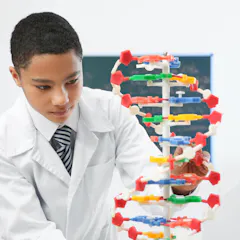
DNA contains all the instructions needed to make your body work.

If you ever feel like you can’t stop eating sugar, you are responding precisely as programmed by natural selection. What was once an evolutionary advantage has a different effect today.

Having strong social support and a sense of belonging buffered and even reversed some of the harmful effects of stress on genes.

Our analysis showed 13 genes that were directly responsible for influencing how certain people adapted to different types of exercise.

Understanding your genes is a great way to understand certain things about yourself — yet, who we are is determined by so much more than just DNA.

The real message is how old you are when you first have sex and have your first child is controlled by a little bit of nature and a lot of nurture.

The first full human genome was sequenced 20 years ago. Now, a project is underway to sequence 1 million genomes to better understand the complex relationship between genetics, diversity and disease.
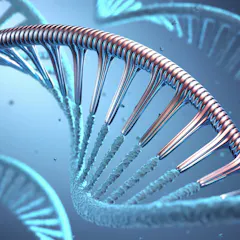
In the spotlight for its role in COVID-19 vaccines – and a Nobel Prize – mRNA is not a new invention. It’s a crucial messenger molecule at work every day in every cell in your body.

It’s a mixture of your genes which you get from your parents, and also your life experience.

A transcript of episode 8 of The Conversation Weekly podcast, including new research on why people react to cold temperatures differently.

People who had experienced childhood maltreatment had higher risk of mental health problems, including depression, ADHD and schizophrenia.
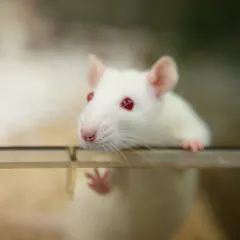
Male rats transfer different hereditary information to their offspring depending on their age.

Around 1.5 billion people worldwide have this common genetic variant.
Top contributors
-
 Jenny Graves is a Friend of The Conversation.
Distinguished Professor of Genetics and Vice Chancellor's Fellow, La Trobe University
-
Sir Henry Wellcome Postdoctoral Fellow, King's College London
-
Professor in Functional Genetics, University of Aberdeen
-
Mark Elgar is a Friend of The Conversation.
Emeritus Professor of Evolutionary and Behavioural Ecology, The University of Melbourne
-
Research Scientist in Biostatistics, University of Washington
-
Assistant Professor of Environmental Health Sciences, UMass Amherst
-
Associate Professor in Obesity, UCL
-
Research Fellow at Institute of Psychology, Psychiatry and Neuroscience, King's College London, King's College London
-
Postdoctoral Researcher of Evolutionary Biology, University of Pennsylvania
-
Associate professor and Royal Society Research Fellow, Department of Psychiatry, University of Oxford
-
PhD Candidate, University of Cambridge
-
Emeritus Professor, University of Cape Town
-
Professor of Genetic Epidemiology, King's College London
-
Assistant Professor of Psychological Science, Boise State University
-
University Academic Fellow, University of Leeds