
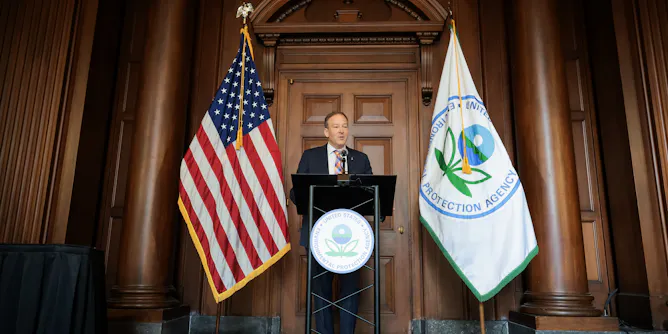
Some restrictions prevent loosening of existing environmental standards for clean air and water. Other rules can be changed – though only through a challenging and multistep democratic process.
Articles on Forever chemicals
Displaying 21 - 40 of 62 articles
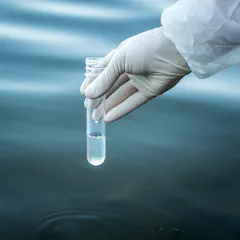
The scale of the chemical industry’s lobbying campaign and clean-up costs for PFAS have been revealed by a new collaboration of scientists and journalists.
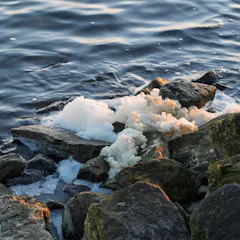
PFAS are made up of a chain of incredibly strong carbon-fluorine bonds, which make them difficult to break down.

Once these chemicals are in an environment they almost never break down.

PFAS ‘forever chemicals’ are in our drinking water, but there are things you can do to make it safer.

A review of Australia’s drinking water guidelines has recommended reducing the levels previously considered safe for four PFAS chemicals. But the impact on human health is likely to be minimal.
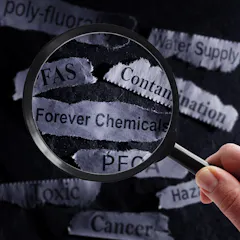
Scientists and engineers are developing new ways to destroy PFAS efficiently and sustainably.

‘Forever chemicals’ can be detected almost anywhere using the right analytical equipment. This raises concerns about the health effects of current exposure levels.
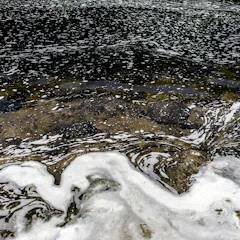
There are more so-called “forever chemicals” than you might know of. And although they may have already contaminated our environment, we don’t need to continue using them.
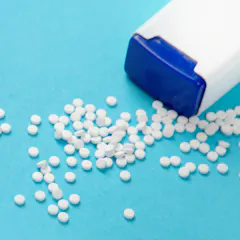
Artificial sweeteners aren’t metabolised by the human body, so they are excreted – and that’s where the environmental problems begin.

A new study sheds light on how important exposure to PFAS chemicals via the skin might be and indicates which chemical structures might be most easily absorbed.

A more precautionary approach is required for the regulation of PFAS chemicals, otherwise industries will continue polluting the environment without breaking any laws.

It is difficult and expensive to effectively remove ‘forever chemicals’ from your drinking water at home. And you also don’t want to get rid of the health-giving minerals water contains.

Tap water is just one of the ways people are exposed to PFAS.
Should Australian authorities follow the US lead and impose lower limits on ‘forever chemicals’ in our drinking water?
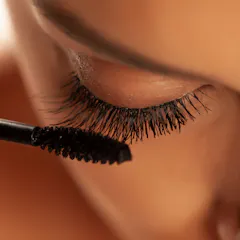
PFAS are commonly found in waterproof clothing, stain-resistant textiles, cosmetics and cookware. Here’s how to best minimise your exposure to these forever chemicals.

Corporations have an incentive to make profits – even if their products hurt or even kill people. Here’s how to stop history repeating.

In Australia, the taxpayer has footed the bill for the forever chemical clean-up so far. But this will have to change.

Filtering out PFAS is only the first step. These ‘forever chemicals’ still have to be destroyed, and there are many questions about how to do that safely.

Synthetic chemicals found in ski wax have been found in the snow and soil on ski slopes and could pose a toxic threat to the environment.
Top contributors
-

Associate Professor in Environmental Science, Western Sydney University
-
Associate Professor of Environmental Health, University of Birmingham
-
Honorary Professor, School of Natural Sciences, Macquarie University
-
Professor of Water Science, Liverpool John Moores University
-
Professor of Biology, University of Portsmouth
-
Assistant Professor of Environmental Health, Middlebury College
-
Professor of Biochemistry, Michigan State University
-
Adjunct Assistant Professor of Biological Sciences, North Carolina State University
-
Professor of Environmental and Soil Chemistry, Michigan State University
-
Senior Research Consultant, Institute for Sustainable Futures, University of Technology Sydney
-
PhD Candidate in Emerging Technologies Governance, Institue for Sustainable Futures, University of Technology Sydney
-
Professor of Environmental Chemistry, University of Birmingham
-
Knowledge Mobilization Specialist, Water Institute, University of Waterloo
-
Clinical Research Manager, Macquarie University
-
Researcher, Sentinel North, Université Laval