

It’s not clear how health claims could be substantiated, enforced or understood, but there are other ways to encourage healthy food choices.
Articles on Food labelling
Displaying 21 - 40 of 81 articles

Up to 35% of people misdiagnose themselves (or their children) with a food intolerance or allergy. It’s time to set the record straight.
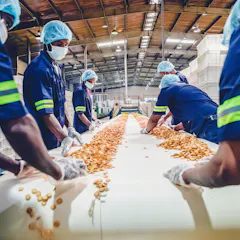
The cost of food that gets trashed anywhere between the farm and your plate is hundreds of billions of dollars a year in just the US. But a lot can be salvaged as ingredients for other food products.
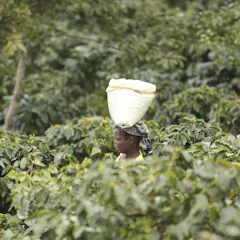
The COVID-19 crisis highlights the importance of supply chains. But even with the increased recent attention, most supply chains remain murky. Consumers can play a key role in lifting that cloud.
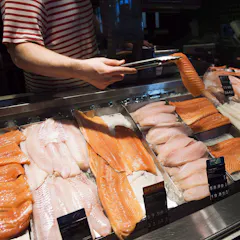
Trust in our global food supply chains remains a concern. For the foreseeable future, much of Canada’s food fraud remains hidden in plain sight, sitting right there on our grocery store shelves.
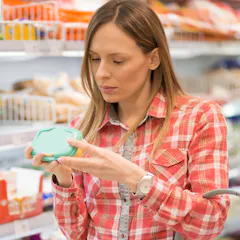
There are still some serious issues around food labelling that must be addressed and enforcement is one of them.

When a manufacturer lists a serving size on their food label, it’s based on their expectations of what you’ll eat, not what the dietary guidelines recommend.
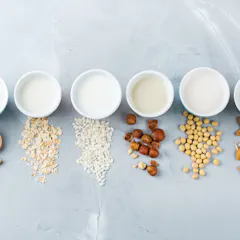
Margarine makers once had to colour their product pink. Calls to restrict the use of the word milk are similarly protectionist.
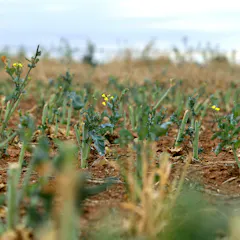
South Australia has lifted its moratorium on GM crops, while Tasmania has extended its ban. But the question should no longer be a simple binary of being “for” or “against” GM technology.
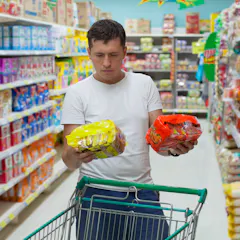
A food heath labelling system Australia and New Zealand introduced five years ago is under review and needs a significant overhaul to make it useful for consumers looking for healthy options.
With Gottlieb’s departure from the FDA imminent, what should we expect from the FDA? How is it likely to regulate the still controversial genetically engineered foods?
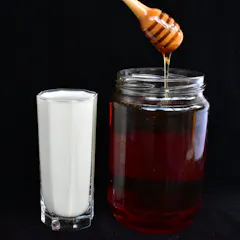
Food fraud, the centuries-old problem that won’t go away
The Conversation55.8 MB (download)
Dairy farmers used to put sheep brains and chalk in skim milk to make it look frothier and whiter. Coffee, honey and wine have also been past targets of food fraudsters. Can the law ever keep up?
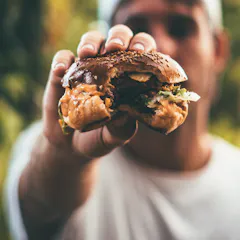
Cultured meat comes from cells in a lab, not muscles in an animal. While regulatory and technological aspects are being worked out, less is known about whether people are up for eating this stuff.
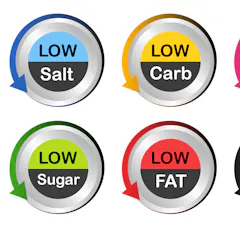
It may come as a shock to discover that businesses are allowed to pay local authorities for advice on environmental health standards and food labelling.

Vermonters’ views on labels for genetically engineered foods shed light on consumers’ views, as the federal government considers mandatory labels.

Can you call it meat if it’s been artificially produced? That’s the question cattlemen in the US are asking, and something food regulators will have to grapple with soon when it coms to labelling.
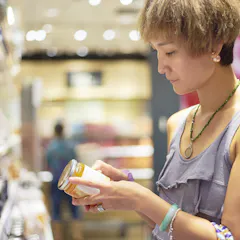
A new study has found some foods may contain allergens even if there’s no warning.
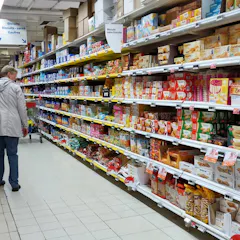
France recently adopted NutriScore, a series of simple colour codes that will allow consumers to easily identify the healthiest foods. But some of the biggest food conglomerates are fighting back.
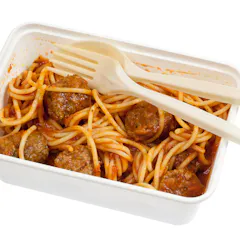
How food is labelled and presented determines how hungry you will be later.

Companies are exploiting a knowledge gap with consumers and fears of the supposed health hazards of certain ingredients with so-called absence labels.
Top contributors
-

Professor of Public Health Policy, Deakin University
-
Professor and Chair of Philosophy, Wageningen University
-
Professor of Public Health Nutrition, Institute for Physical Activity and Nutrition, Deakin University
-
Senior Research Fellow, Alfred Deakin Institute, Deakin University
-
Professor of Health Psychology, University of Surrey
-
Director of Cancer Programs, Cancer Council NSW; PhD Candidate in Nutrition & Dietetics, University of Sydney
-
Professor of Law, The University of Melbourne
-
Professor of Public Health Priorities, Curtin University
-
Senior Lecturer in Food Law, Manchester Metropolitan University
-
Senior Lecturer in Science Communication, The University of Western Australia
-
Paediatric Allergist and Gastroenterologist, Murdoch Children's Research Institute
-
Associate Research Scientist, Michigan State University
-
Professor of Advanced Technology Transitions, Arizona State University
-
Honorary Professor, University of Wollongong
-
Lecturer, Department of Physiology, University of the Witwatersrand