
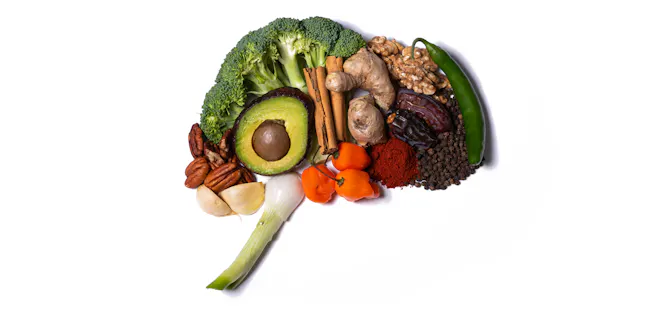
Vegetarian and low-carb diets aren’t ideal for our brains.
Articles on Food
Displaying 241 - 260 of 1052 articles

Researchers and co-chairs of the Canadian Association for Food Studies’ School Food Working Group explain what Ottawa should prioritize to ensure its national school food program succeeds.

Food fraud costs billions globally. But blockchain and machine learning offer hope for a more transparent and safer food system.
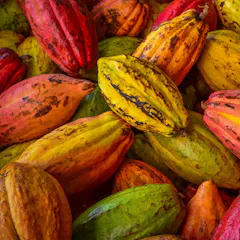
What makes a good egg? The ethics of chocolate is complicated and often hard to decipher with confusing marketing claims on some product packaging.

We speak with Hilal Elver, the former UN Special Rapporteur on the Right to Food and current University of California professor about the looming famine in Gaza after months of Israeli attacks.

Parents told us how the ever-present juggle of budgets and the realities of family life strained relationships and increased their mental load.

From replacing meat with pulses to eating more eggs, these top tips will reduce the environmental impact of your diet while improving the nutritional value and cutting costs.

South Africa’s national survey of food and nutrition security identifies the areas most in need.

During the Tudor period, religious beliefs shaped people’s attitudes towards food and food waste.

Vegan foods are considered by most consumers to have no ingredients of animal origin, but they may actually contain milk proteins.

In the face of growing social and environmental challenges, organizations in the food and agriculture sector are increasingly turning to nature for inspiration.
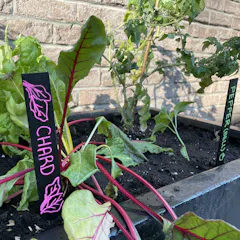
New research shows how university garden initiatives can help drive transformative change and nurture a new generation of environmental and socially conscious change-makers.
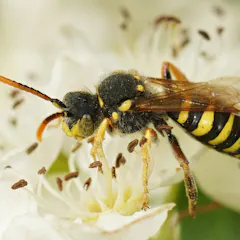
The nutritional needs of bees are complex and monoculture crops aren’t providing a diverse diet. Introducing more diverse wildflower meadows and green spaces could benefit wild pollinators.

From reducing families’ grocery bills to boosting the economy, school meals offer far-reaching benefits, fostering both immediate well-being and long-term economic prosperity.

A new UN report finds that the true global cost of producing food is $12.7 trillion more than consumers pay at the checkout counter. We pay those uncounted costs in other ways.

Human health depends on having a liveable planet and this is inextricably linked to food systems.

Arable land has been destroyed, as have food production sites. But even before the current operation in Gaza, Palestinians there suffered high rates of food insecurity.

Integrating local and Indigenous knowledge into conservation can help to support diverse diets without compromising biodiversity goals.
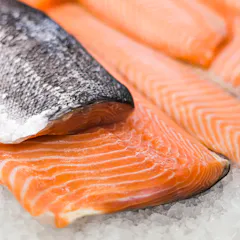
Knowing which fish to buy can be confusing, but certain eco-labels can help decipher whether wild-caught, farmed or organic salmon is best for the environment.

Oh, yeah, and there’s a game, too.
Top contributors
-

Associate Professor of Hospitality Management, Colorado State University
-
Director, Agri-Food Analytics Lab, Professor in Food Distribution and Policy, Dalhousie University
-
Director of the Arrell Food Institute and Professor in the Dept. of Geography, Environment and Geomatics, University of Guelph
-
Professor of Food Policy, City St George's, University of London
-
Professor of Community Health and Wellbeing, The University of Queensland
-
Professor, Food Economics, University of Guelph
-
Senior Lecturer in History, University of Waikato
-
Catedrático de Nutrición y Bromatología del Departamento de Medicina Preventiva y Salud Pública, Universitat de València
-
Program Director of Nutrition and Food Sciences, Accredited Practising Dietitian, Adelaide University
-
Senior Lecturer, Nutrition and Food Science, Australian Catholic University
-
Honorary Associate Professor, University of Leicester
-
Senior Lecturer in Geography, University of Sheffield
-
Accredited Practising Dietitian and Lecturer, Southern Cross University
-
Professor, Dept of Food, Agricultural and Resource Economics, University of Guelph
-
Visiting Research Fellow in Philosophy, University of Hertfordshire