

Food insecurity is a social justice issue tied to social determinants of health. Historically marginalized people like 2SLGBTQ+ youth are at risk, and more likely to be food insecure during COVID-19.
Articles on Food
Displaying 381 - 400 of 1050 articles
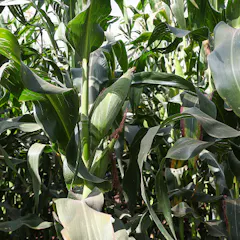
Kenya’s new administration needs to prioritise investing in sustainable solutions to fix perennial maize shortages.

Seaweed has been eaten in some countries for years, but consumption is generally low.

Strikes, climate change and the cost of living are among factors that will affect product availability this winter.

Rainwater may be contaminated with chemicals and scientists are still uncertain about their effects.

People wouldn’t last long without the countless other species we depend on for survival.
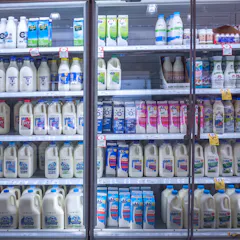
Synthetic milk offers dairy milk without the concerns such as methane emissions or animal welfare. But is it the whey forward?

The emission reduction targets outlined for Canadian fertilizer use will not lead to food shortages and food insecurity.

The pickle-obsessed can now order a pickle pizza with a side of pickle potato chips, wash it down with a pickle beer and have pickle ice cream for dessert.

The abundance, versatility and quality of seaweed from the St. Lawrence makes this resource a real asset for Québec. We must now integrate it into our kitchens.

Diets high in fat, sugar and processed foods are associated with higher calorie intake, poorer memory and lower cognitive function.

Listeria causes serious illness and food recalls nearly every year.

Jess Ho’s acerbic, sad, funny memoir of combines a compelling critique of the Melbourne food scene that became her family with memories of a traumatic childhood.
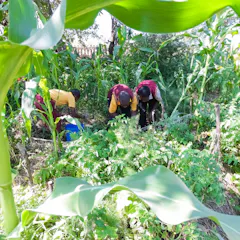
Removing a pre-existing right like cancelling the school nutrition programme is a retrogressive measure, and should only be done under very specific circumstances.

Gardens require huge labour, and outcomes like health, well-being or food security are affected by systemic barriers people face in cities and schools.

Current expiration date system leads to confused consumers and wasted food.

The story behind the research can be as compelling as the results. Recording the effects of starvation, a group of Jewish doctors demonstrated their dedication to science – and their own humanity.
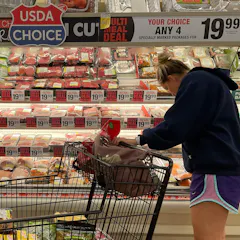
Soaring inflation in the US has been driven in part by large increases in the price of groceries – a burden that falls disproportionately on lower-income families.
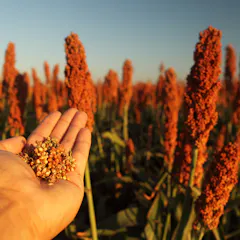
Known as ting or amazimba, indigenous sorghum is resilient and rich in cultural and health benefits – yet crops are declining.

Technologies being developed for growing food in space have contributed to advances in agriculture and crops on Earth.
Top contributors
-

Associate Professor of Hospitality Management, Colorado State University
-
Director, Agri-Food Analytics Lab, Professor in Food Distribution and Policy, Dalhousie University
-
Director of the Arrell Food Institute and Professor in the Dept. of Geography, Environment and Geomatics, University of Guelph
-
Professor of Food Policy, City St George's, University of London
-
Professor of Community Health and Wellbeing, The University of Queensland
-
Professor, Food Economics, University of Guelph
-
Senior Lecturer in History, University of Waikato
-
Catedrático de Nutrición y Bromatología del Departamento de Medicina Preventiva y Salud Pública, Universitat de València
-
Program Director of Nutrition and Food Sciences, Accredited Practising Dietitian, Adelaide University
-
Senior Lecturer, Nutrition and Food Science, Australian Catholic University
-
Honorary Associate Professor, University of Leicester
-
Senior Lecturer in Geography, University of Sheffield
-
Accredited Practising Dietitian and Lecturer, Southern Cross University
-
Professor, Dept of Food, Agricultural and Resource Economics, University of Guelph
-
Visiting Research Fellow in Philosophy, University of Hertfordshire