
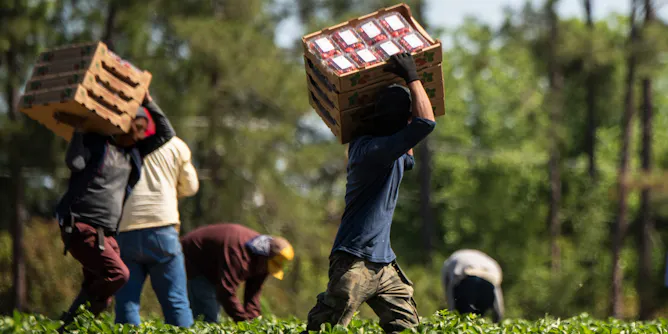
Local food systems are often hailed as being more sustainable than global food systems, but are these systems truly any better?
Articles on Food
Displaying 221 - 240 of 1050 articles

It may be about repairing your self-image or playing twisted mind-games.

Rising food costs mean more people are turning to the black market to feed themselves – but this has consequences for business and consumers.

The free ecoSwitch app takes the guesswork out of sustainable food choices, empowering consumers to take matters into their own hands.
Without a clear picture of the actual drivers affecting food prices, we lack the necessary information for developing policies that protect the rights and well-being of Canadians.
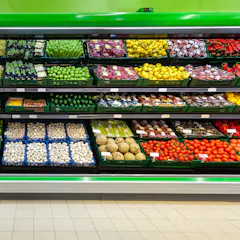
A big price is already being paid by the environment and society.

The debate about pesticides often gets polarised, pitching farmers against consumers.

Many food and beverage companies are not doing enough to positively shape diets in Canada, while positive examples show that public health commitments are achievable.
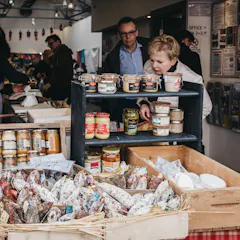
Physical checks on plant and animal products arriving from the EU will attract fees of up to £145.

You can thank yeast and bacteria for the distinctive taste and smell of the oldest leavened bread in history.

In Gaza, Sudan, Haiti and elsewhere around the globe, famine affects increasing numbers of people.

New research suggests educators can play a crucial role in changing attitudes and actions about food waste and equip future marketing professionals with the tools to tackle sustainability challenges.

Some farmers are bewildered and anxious about changes to the way they work.
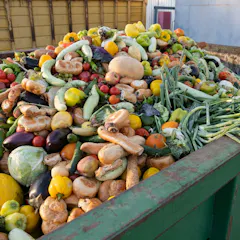
Food waste is a serious emergency in Canada and around the world. Here are four practical steps we can take this Earth Day to eat more healthily, reduce food waste and save the planet.

From kimchi to kombucha and sauerkraut to sourdough, many traditional food staples across cultures make use of fermentation. And these variations are reflected in your microbiome.
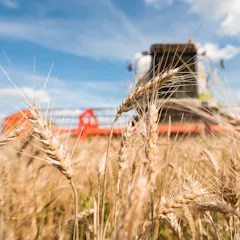
Some people think the decision to impose higher tariffs is just an excuse used by the EU to keep protecting its own farmers.

School food can connect people powerfully to their local lands, resources and economies, and be a tool towards reconciliation with Indigenous communities.

Agroecology could be an effective way to address food insecurity and respond to the climate crisis. However, significant hurdles remain.

Vegetarian and low-carb diets aren’t ideal for our brains.

Researchers and co-chairs of the Canadian Association for Food Studies’ School Food Working Group explain what Ottawa should prioritize to ensure its national school food program succeeds.
Top contributors
-

Associate Professor of Hospitality Management, Colorado State University
-
Director, Agri-Food Analytics Lab, Professor in Food Distribution and Policy, Dalhousie University
-
Director of the Arrell Food Institute and Professor in the Dept. of Geography, Environment and Geomatics, University of Guelph
-
Professor of Food Policy, City St George's, University of London
-
Professor of Community Health and Wellbeing, The University of Queensland
-
Professor, Food Economics, University of Guelph
-
Senior Lecturer in History, University of Waikato
-
Catedrático de Nutrición y Bromatología del Departamento de Medicina Preventiva y Salud Pública, Universitat de València
-
Program Director of Nutrition and Food Sciences, Accredited Practising Dietitian, Adelaide University
-
Senior Lecturer, Nutrition and Food Science, Australian Catholic University
-
Honorary Associate Professor, University of Leicester
-
Senior Lecturer in Geography, University of Sheffield
-
Accredited Practising Dietitian and Lecturer, Southern Cross University
-
Professor, Dept of Food, Agricultural and Resource Economics, University of Guelph
-
Visiting Research Fellow in Philosophy, University of Hertfordshire