
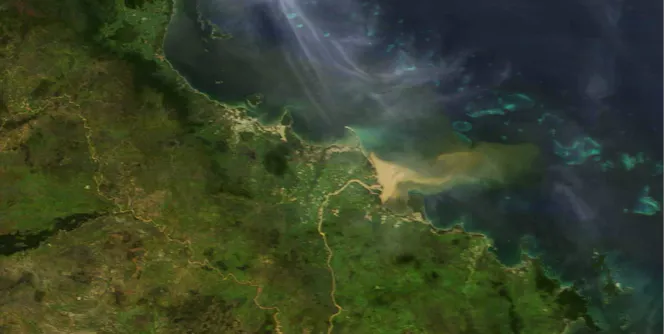
Six months after huge floods swept Queensland we can start to appreciate the huge effect they had on native species.
Articles on Floods
Displaying 361 - 380 of 533 articles
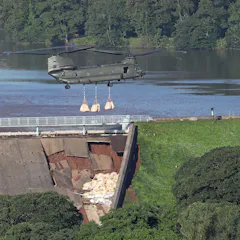
The damage to the dam holding back a reservoir just a mile from the nearest town downriver should focus minds on ensuring civil infrastructure is maintained.
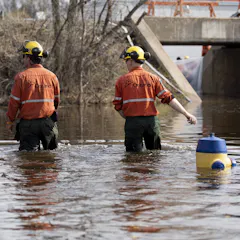
Canadian history and international relations theory gives us perspective on why co-ordinating flood management has proven so difficult in Canada and what can be done about it.
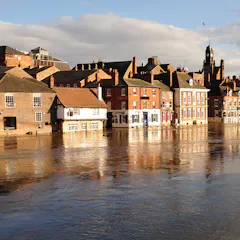
Artificial intelligence can help manage floods effectively, but decisions about which communities are protected require a human touch.
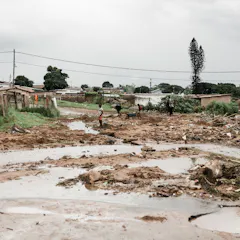
Rebuilding informal settlements after a disaster must be done through learning from those who live in the settlements.

Recent extreme rains and weather in the Midwest are causing a multitude of problems in the topsoil that much of the nation’s food supply relies on.
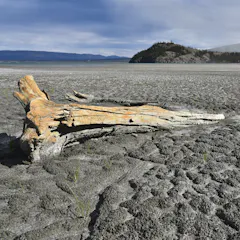
Extreme events, from floods to droughts to polluted drinking water threatens Canadians’ safety.
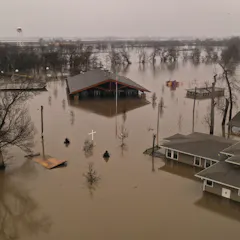
The Trump administration has proposed a major revamp of the National Flood Insurance Program since its inception in 1968. Here’s why it needs fixing.
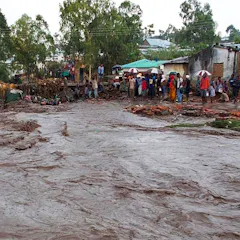
High poverty levels mean people lack access to land and work and they are often driven to settle in zones that are exposed to natural hazards.
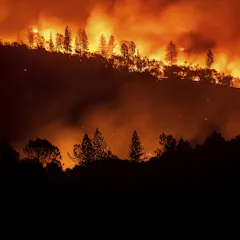
Increasingly severe losses for insurers due to climate change could result in a global financial crisis.

With heatwaves, droughts and fires all on the rise, the federal government is urged to merge its separate strategies on disaster resilience and climate readiness.
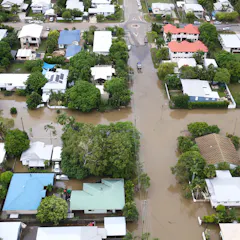
Amid fears that parts of Townsville and other Australian cities might become “uninsurable”, making urban areas more resilient and adaptable to flooding is becoming more urgent.
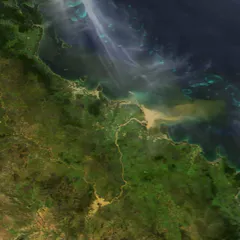
The hottest Australian summer on record is ending, and it’s likely we’ve got a warm, dry autumn to come.
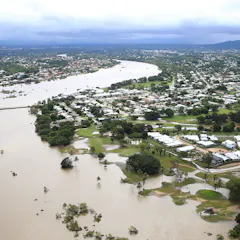
What do the recent Townsville floods and Tasmanian heatwave have in common? Both were caused by weather systems that stayed put for days or weeks on end. And global warming could worsen that trend.
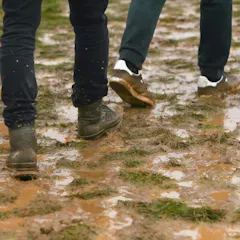
The bacteria that causes melioidosis usually lives 30cm underground in clay soil but is dredged to the surface during heavy rains and floods, and can enter the body through small breaks in the skin.
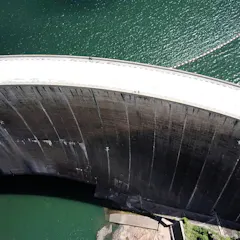
There are benefits and downsides to damming rivers.
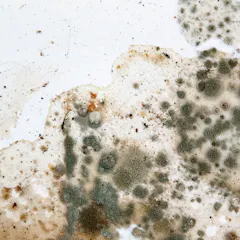
The aftermath of flooding provides the perfect breeding ground for mould in our homes. It’s important to properly remove it so it doesn’t affect our health.

A new report predicts that one-third of the ice in the Himalayas will melt, even if we contain global warming to 1.5C. So what does that mean for the flood-prone valleys below?
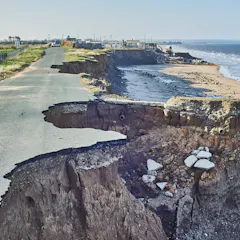
Rising sea levels won’t be solved by trying to fix the coast in place. For a defence from coastal flooding, we need to step back.
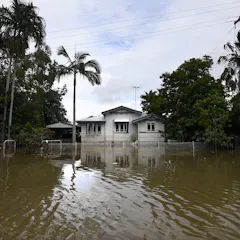
The more water, the more mosquito eggs are laid, and the more mosquitoes end up buzzing about. But to spread disease to people, they first need to bite infected wildlife.
Top contributors
-

ARC Future Fellow and Associate Professor in Climate Science, ARC Centre of Excellence for 21st Century Weather, The University of Melbourne
-
Regius Professor of Meteorology and Climate Science, University of Reading
-
Professor of Environmental Planning, University of Waikato
-
Professorial Fellow, University of Canberra
-
Senior Research Associate, UNSW
-
Associate Professor in Environmental Science, Western Sydney University
-
Clinical Associate Professor, School of Medical Science & Sydney Infectious Diseases Institute; Principal Hospital Scientist, University of Sydney
-
Associate Professor, School of Civil, Environmental and Mining Engineering, Adelaide University
-
Climate Scientist, Australian Bureau of Meteorology
-
Senior Research Associate, Institute for Environment and Human Security (UNU-EHS), United Nations University
-
Professor emeritus, The University of Melbourne
-
Postdoctoral Research Fellow in Atmospheric Sciences, The University of Melbourne
-
Associate Professor, Macquarie University
-
Senior Lecturer, Climate Science and Science Communication, The University of Melbourne
-
Senior Research Fellow, The University Centre for Rural Health, University of Sydney