
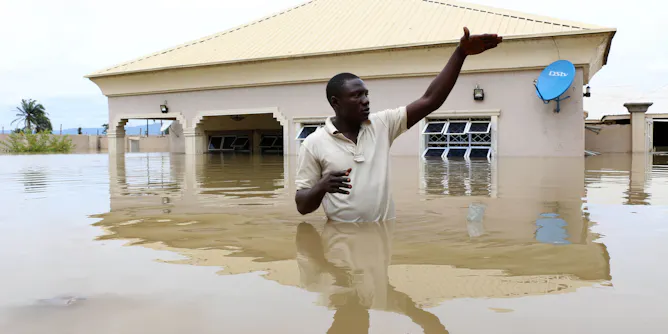
Institutional failures, infrastructure, socio-economic challenges and disaster education influence Nigerian cities’ vulnerability to flood disaster.
Articles on Floods
Displaying 281 - 300 of 533 articles
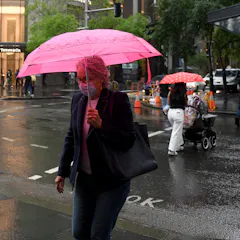
After one La Niña, the Pacific sometimes retains cool water which enables a second La Niña to form.

Global floods in 2021 showed the danger of poor emergency preparedness - and the importance of planning ahead.

Industrial-sized confinement farming systems pose massive challenges during hurricanes, floods or wildfires, including significant public health, animal welfare and socio-economic implications.
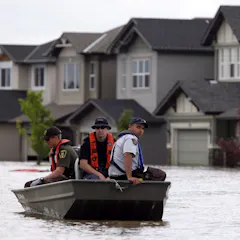
Many cities continue to allow developers to build homes in areas that have a high risk of flooding.

Food supply chains had already taken a serious hit by panic-purchasing during the COVID-19 pandemic. The B.C. floods remind us how effective supply chain management planning can help avert crises.
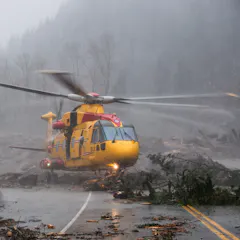
Compound climate disasters are likely to become more common as the Earth warms.

Pollution from more frequent floods and wildfires – exacerbated by the warming climate – is threatening human health and poses particular risks to the brain.
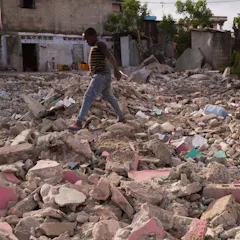
Collaboration can have immediate benefits in the most dire circumstances.

Nature-based solutions can help us sustainably tackle climate disasters - but to do that, they urgently need policy support.

Failures to respond adequately to the floods that hit Germany and Luxembourg in July 2021 must teach us how to prepare for future climate disasters.
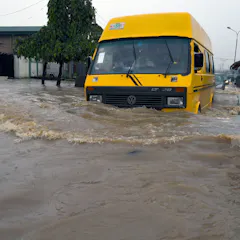
Flooding constitutes a threat to Nigeria achieving the global sustainable development goals.
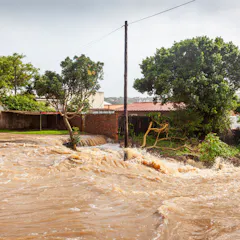
The picture seems hopeless, but with mitigation and adaptation strategies and policies driven through COP26, southern Africa can reduce the impacts of climate change on local livelihoods.

Studies show climate change is raising the risk of cascading hazards that alone might not be extreme but add up to human disasters. Communities and government agencies aren’t prepared.
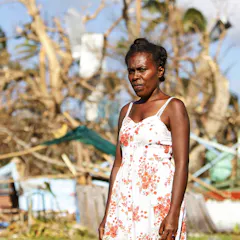
As climate change amplifies the frequency and severity of extreme weather events, evacuations are likely to become increasingly common and costly – in human and economic terms.
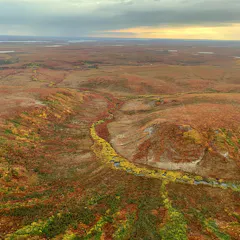
Peatlands play an outsized role in filtering water and mitigating floods, drought and wildfire — and they store twice as much carbon as all the world’s forests.
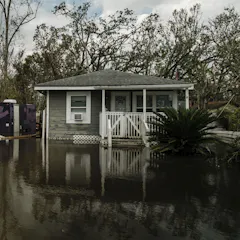
Rapid attribution studies reveal climate change’s influence on the weather, but they’re expensive and time-consuming.
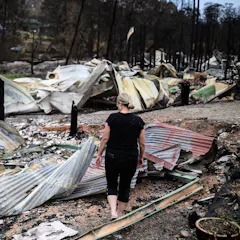
There’s evidence that people who have been through multiple disasters experience poorer mental and physical health compared to people who have been exposed to a single disaster.

Images of water gushing into subway stations filled social media following heavy rain in New York City. Solutions are at hand – but it takes money and political will, an expert explains.
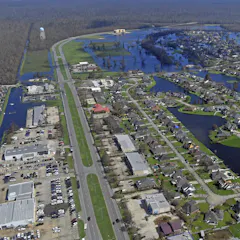
Sixteen years after Hurricane Katrina made landfall, the Category 4 storm Hurricane Ida reached Louisiana. Planning for future hurricanes must include the need to build resiliency to climate change.
Top contributors
-

ARC Future Fellow and Associate Professor in Climate Science, ARC Centre of Excellence for 21st Century Weather, The University of Melbourne
-
Regius Professor of Meteorology and Climate Science, University of Reading
-
Professor of Environmental Planning, University of Waikato
-
Professorial Fellow, University of Canberra
-
Senior Research Associate, UNSW
-
Associate Professor in Environmental Science, Western Sydney University
-
Clinical Associate Professor, School of Medical Science & Sydney Infectious Diseases Institute; Principal Hospital Scientist, University of Sydney
-
Associate Professor, School of Civil, Environmental and Mining Engineering, Adelaide University
-
Climate Scientist, Australian Bureau of Meteorology
-
Senior Research Associate, Institute for Environment and Human Security (UNU-EHS), United Nations University
-
Professor emeritus, The University of Melbourne
-
Postdoctoral Research Fellow in Atmospheric Sciences, The University of Melbourne
-
Associate Professor, Macquarie University
-
Senior Lecturer, Climate Science and Science Communication, The University of Melbourne
-
Senior Research Fellow, The University Centre for Rural Health, University of Sydney