
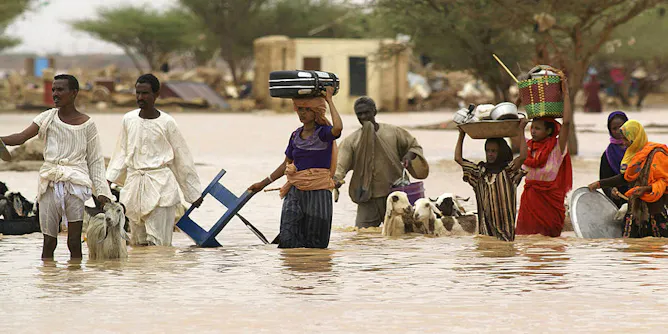
To prevent the humanitarian disasters that follow floods in Sudan, more attention needs to be paid to infrastructure planning.
Articles on Floods
Displaying 341 - 360 of 533 articles
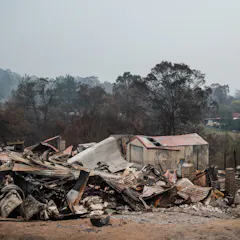
Damage to septic tanks is one of the major health hazards people face when they return to their bushfire-affected homes. It was simply dumb luck a disease outbreak didn’t happen last summer.
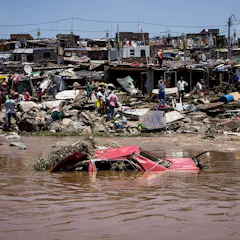
Local government and humanitarian actors are faced with tough choices of prioritising, managing and balancing resources, locations and constituencies.
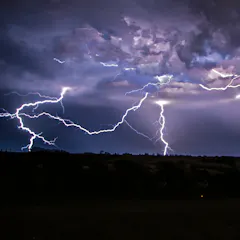
Volatile, unstable air means that it is very tricky to work out exactly where each thunderstorm will be.
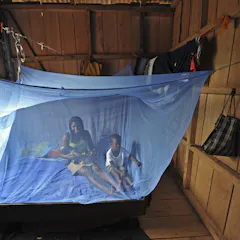
The pandemic coincides with the long rainy season in Kenya. Rain increases mosquito breeding sites, vector density and thus transmission of mosquito-borne diseases.
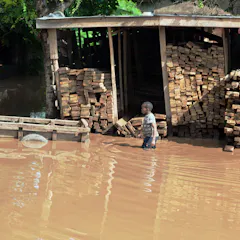
Communities prepare better for flood disasters when they have been actively involved in communicating information.
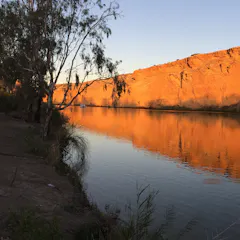
The findings point to how Australia’s most important river system might be altered by future sea level rise.
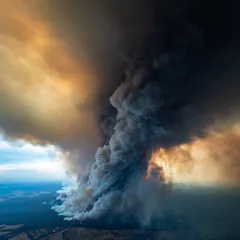
Australian emergency services are using social media for a number of purposes during disasters. What they are not doing well is analysing social media data in real time to improve disaster management.
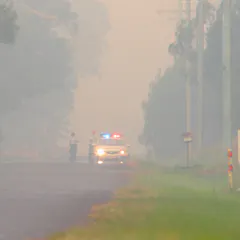
The disasters have come one after another. While they may not be entirely preventable, we can take many practical steps tailored to local needs and conditions to reduce the impacts on our cities.
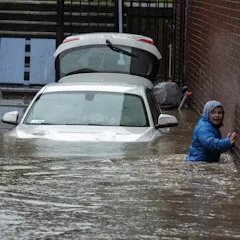
‘Leaky dams’ and tree planting are useful against smaller floods, but they won’t hold back the water after a major storm.
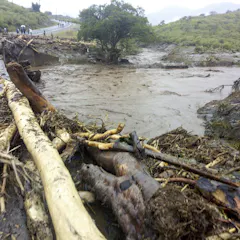
The unusual weather can be attributed to the Indian Ocean Dipole. This is the difference in sea surface temperatures between the eastern and western tropical Indian Ocean.
Floods will undoubtably wash pollutants into water reservoirs. Are we prepared enough to protect our drinking water?
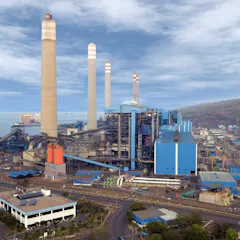
Climate change affects power plants in Indonesia, eventually disrupting energy supply to consumers.
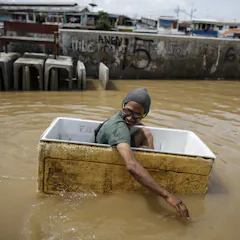
Indonesia’s capital Jakarta will face escalating flood costs by 2050.
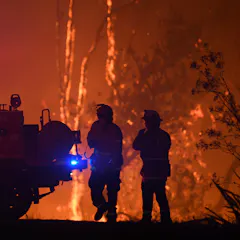
The Bureau of Meterology says persistent drought and record temperatures were a major driver of Australia’s fire activity, and the context for 2019 lies in the past three years of drought.

Research on other natural disasters tells us there’s a long road ahead for survivors of the current bushfire crisis – but there are some key lessons.
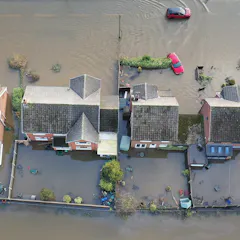
More than 300,000 homes have been built in areas of high flood risk since 1989.
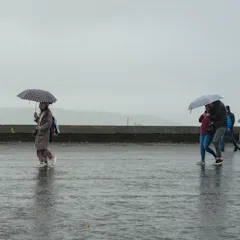
Today’s three-day weather forecast is as accurate as a 24-hour forecast in the 1990s. But floods are still particularly tricky to pin down.
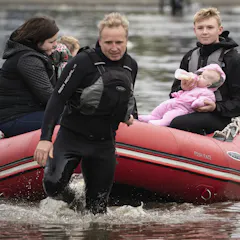
With the promise of more periods of intense rainfall in years to come, what do we need to do to protect ourselves more from flooding in future?
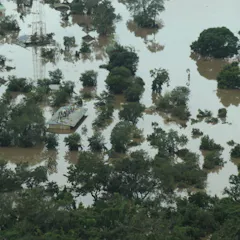
Tropical cyclones Idai and Kenneth have shown how important it is to integrate local information and resources with global scale forecasts and support.
Top contributors
-

ARC Future Fellow and Associate Professor in Climate Science, ARC Centre of Excellence for 21st Century Weather, The University of Melbourne
-
Regius Professor of Meteorology and Climate Science, University of Reading
-
Professor of Environmental Planning, University of Waikato
-
Professorial Fellow, University of Canberra
-
Senior Lecturer, Climate Science and Science Communication, The University of Melbourne
-
Senior Research Associate, UNSW
-
Associate Professor in Environmental Science, Western Sydney University
-
Clinical Associate Professor, School of Medical Science & Sydney Infectious Diseases Institute; Principal Hospital Scientist, University of Sydney
-
Associate Professor, School of Civil, Environmental and Mining Engineering, Adelaide University
-
Senior Research Associate, Institute for Environment and Human Security (UNU-EHS), United Nations University
-
Professor emeritus, The University of Melbourne
-
Associate Professor, Macquarie University
-
Climate Scientist, Australian Bureau of Meteorology
-
Senior Research Fellow, The University Centre for Rural Health, University of Sydney
-
Adjunct Professor of Environmental Geography, CQUniversity Australia