
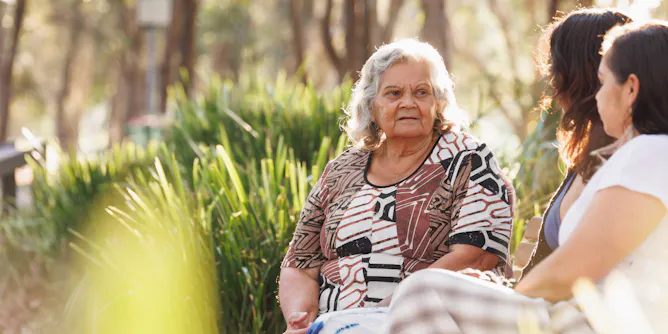
Aboriginal people in remote Australia have no choice but to live in homes too small for their families and face long waits for plumbing and washing machine repairs.
Articles on Aboriginal health services
Displaying all articles
First Nations women face almost twice the risk of stillbirth compared to non-First Nations women. Much of the inequity can be linked to the ongoing impact of colonisation on birthing women.
Lupus is two to four times more common among Aboriginal and Torres Strait Islander people. It’s also tends to be more severe, with higher rates of kidney failure than non-Indigenous people with lupus.
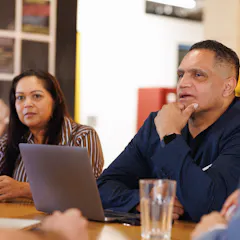
A transactional mental health system fails to accommodate consumers’ needs for human connection and understanding. Elders in Perth are helping to transform this system.

People who menstruate in rural and remote Indigenous communities face a unique set of challenges, and have a particular need for better access to period products.
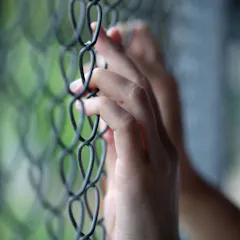
Children as young as ten don’t have access to Medicare if detained. And they’re dying of largely preventable diseases.

Here’s where we could lift our game to ensure reliable, equitable and culturally safe telehealth for First Nations people in Australia, whether living remotely or in our cities.

Government health organisations need to provide better support for Indigenous people suffering from musculoskeletal conditions.
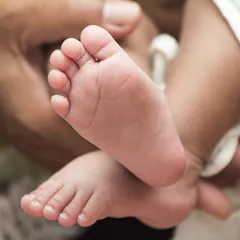
Birthing on Country services acknowledge First Nation peoples’ continued ownership of land and unique birthing practices.
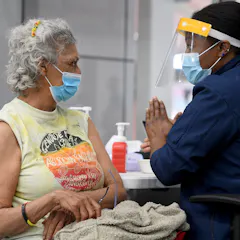
Many Aboriginal community controlled health services are already running urgent vaccination campaigns within their existing resources, but more needs to be done.
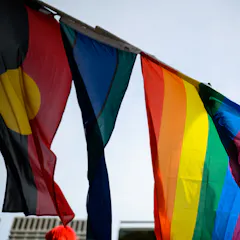
A Western Australian study, one of the first of its kind, reveals the complex experiences of those living at the intersection of being Indigenous and part of the LGBTIQ+ community.
Top contributors
-

Professor of Indigenous Genomics, Australian National University
-
Associate Professor, School of Pharmacy and Pharmaceutical Sciences, The University of Queensland
-
Associate Professor in Public Health, The University of Queensland
-
Postdoctoral research fellow, University of Sydney
-
Chief Investigator - Looking Forward Aboriginal Mental Health Project, Curtin University
-
Adjunct Professor of Primary Health & Research Fellow at Menzies School of Health Research, Charles Darwin University
-
General Practitioner, Researcher, Monash University
-
Indigenous Research Officer, The University of Queensland
-
Professor of Adolescent Health The University of Melbourne; Director, Royal Children's Hospital Centre for Adolescent Health; and Murdoch Children's Research Institute, The University of Melbourne
-
Suicide Prevention, Macquarie University
-
Suicide Prevention Australia Postdoctoral Fellow, The University of Melbourne
-
Clinical Perinatal Epidemiologist, The University of Queensland
-
Vicki Flenady is a Friend of The Conversation.
Professor, Mater Research Institute; Director, Centre of Research Excellence in Stillbirth, The University of Queensland
-
Postdoctoral researcher, Charles Darwin University
-
Medical anthropologist, nurse, midwife, researcher, Charles Darwin University