
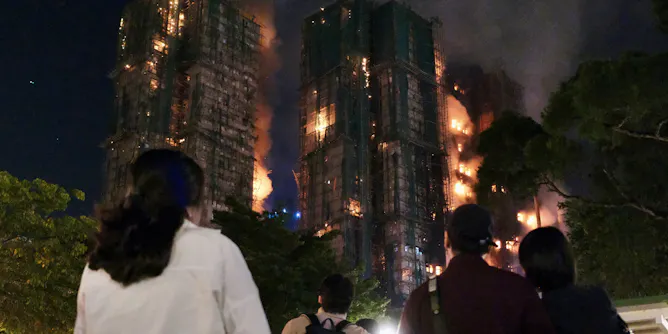
When it comes to evacuating tall buildings in a fire, not everyone can take the stairs. Here’s what else high-rises need.
Articles on Fire
Displaying 21 - 40 of 241 articles
The answer is part history, part engineering and part economics.
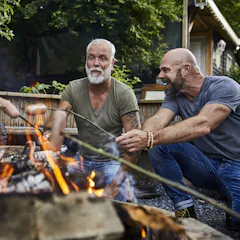
There’s no evidence men are wired to use fire any more than women – yet, across cultures, it’s common to find bands of blokes bonding over the barbie.
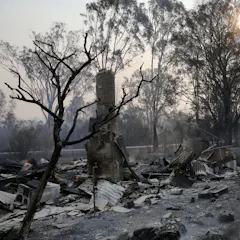
The study found poorer communities, renters and women carried the heaviest burdens long after the Black Summer fires were put out.
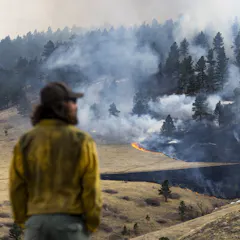
Increasing awareness can help close the gap on the number of people signed up for emergency alerts, but that won’t happen without increased accessibility.

Fire isn’t the enemy. Poorly timed, unmanaged fire is.
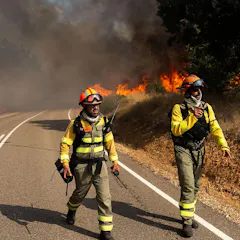
Proper forest management can boost rural economies, and prevents fires from starting in the first place.
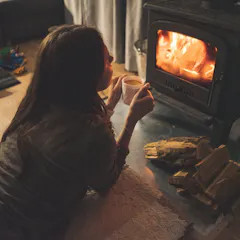
Staying warm in winter is important, but so is staying safe. So a little caution can go a long way to prevent serious injury.

Oral history contributors were able to share their stories, and many felt a sense of healing.

Knowing how mountain winds create fire conditions is useful for monitoring the danger.
Fire is being used to create the nanoparticles used in the many important nanotechnologies — from solar cells to medical imaging contrast agents.
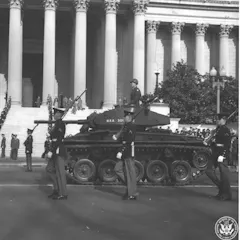
Every democracy needs a national archive. Trump’s staffing shake-up is endangering an institution that preserves the nation’s history.
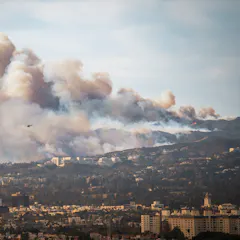
Fires and cities do not mix. Authorities have spent decades reducing the risk. But climate change will make some urban fires more likely.
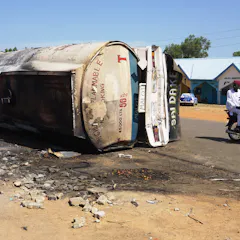
Fuel tanker accidents in Nigeria can be prevented by restructuring the built environment, providing parking spaces for the tankers, and constructing good roads.
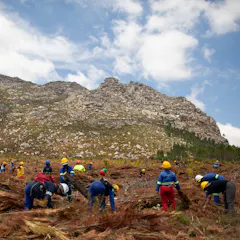
Burning invasive plants on site creates scars and prevents natural vegetation from growing back quickly.
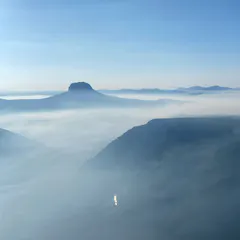
What can we learn from the bushfires in Tasmania? Beware of climate change, especially the unpredictable nature of blazes sparked by dry lightning.
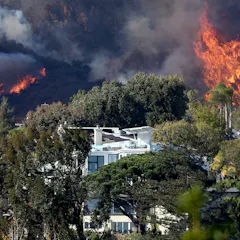
In many parts of the US, Americans must learn to live with fire. That means careful decisions on where homes are built and what’s around them, and allowing more low-risk fires to burn.
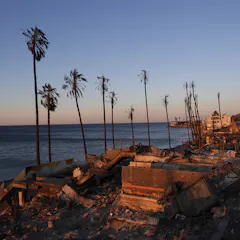
For insurers, it’s simply becoming too expensive to do business in California. That will have ripple effects on the cost of insurance around the globe.
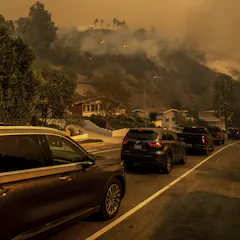
The chemicals emitted when buildings and vehicles burn can find their way into nearby homes. Studies show the health risks can stick around.
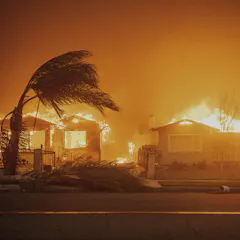
We knew this would happen eventually. We have moved from possible futures to these things now happening. The deferment has ended.
Top contributors
-

Professor of Pyrogeography and Fire Science, University of Tasmania
-
Research Fellow in Environmental Science, University of Tasmania
-
Adjunct professor, UNSW
-
Associate Professor of Geography, University of Colorado Boulder
-
Professor of Geography and Director of the Centre for Wildfire Research, Swansea University
-
Professor of Science Communication and Chemistry, University of Hull
-
Associate Professor in Quantitative Ecology, The University of Melbourne
-
Emeritus professor, University of Wollongong
-
Senior research fellow, Charles Darwin University
-
Postdoctoral researcher, University of Tasmania
-
Professor, Hawkesbury Institute for the Environment, Western Sydney University
-
Professor in Digital Construction and Fire Engineering, Te Kunenga ki Pūrehuroa – Massey University
-
Professor of Law, Deakin University
-
Distinguished Research Professor and Australian Laureate, James Cook University
-
Associate Professor, Hawkesbury Institute for the Environment, Western Sydney University