
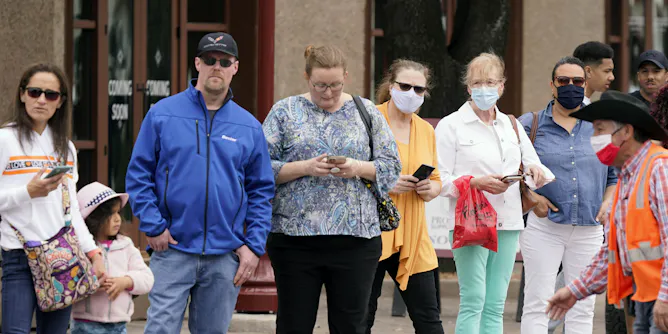
Texas and many other states have eased all or most coronavirus restrictions such as mask-wearing. A cost-benefit analysis suggests reversing those moves for just a short period could make a big difference.
Articles on Face masks
Displaying 41 - 60 of 144 articles
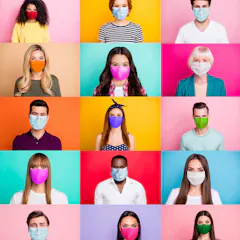
Wearing face masks hides our facial expressions and affects our social interactions. They make it harder for us to read facial expressions and can contribute to racist perceptions.
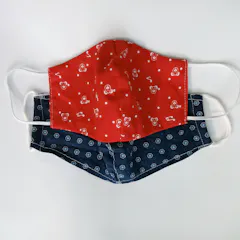
Are two face masks better than one? Adding layers of filtration by double masking is a way of using the masks that we already have, possibly to better effect.

Muslim women say the practice of wearing masks has given them more confidence to wear face coverings in public.
We should be thinking about airborne transmission of coronavirus.
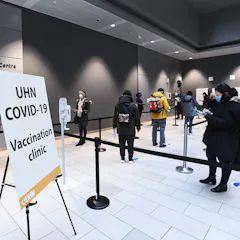
Rollout of COVID-19 vaccines has begun. But getting the jab doesn’t mean abandoning masks, distancing and handwashing. Here’s why the current preventive measures must continue post-vaccine.

Whether it’s health-care workers, kids in school or people running errands, Canadians need face masks during COVID-19. There’s no reason they shouldn’t be made here at home.

Some designers, makers and consumers are imploring us not to stop sewing after the pandemic because of the potential for utilitarian, psychological and environmental benefits.
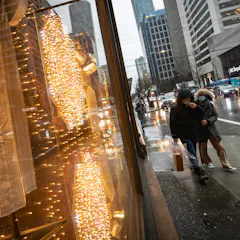
During the COVID-19 pandemic, social distancing has become more than a safety regulation for those working in retail — it’s a sign of respect and an acknowledgement that they’re people too.
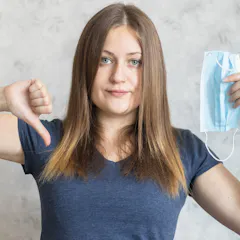
Some people respond strongly to perceived threats to their freedom and push back – others are simply more accepting of risk.

New research suggests that if Donald Trump had handled the COVID-19 pandemic better and kept outbreaks under control, he might have won the Nov. 3 election.
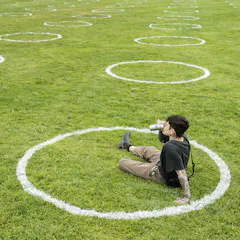
As the pandemic wears on, some people struggle to keep adhering to restrictions and social distancing guidelines. There are psychological reasons for caution fatigue, and ways to overcome it.

Budget cuts and outsourcing content have affected the amount and quality of science journalism. Scientists should learn to communicate their own findings directly and clearly to the public.
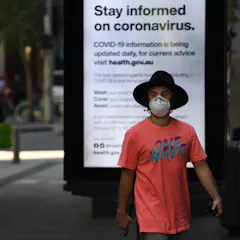
Face masks work well to stop the spread of diseases like coronavirus in the lab, but in the real world they seem to be less effective.
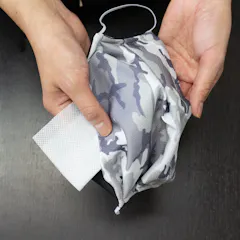
Everything you need to know about non-woven polypropylene, the fabric now recommended for use as a filter in cloth face masks: What it is, what to look for and where to find it.
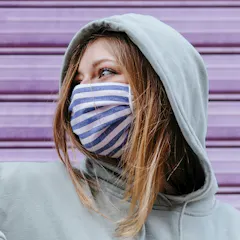
More states are adding mask mandates as COVID-19 cases soar. If you’re traveling, shopping or seeing friends and family in person, masks are a crucial protective measure.

Heavier duty fabrics filter more particles – and layering and moisture make a difference too.
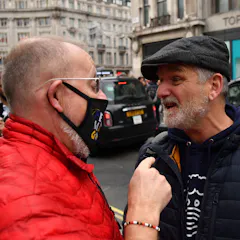
Here’s how governments can get more people to follow COVID-19 guidelines.

A chorus of prominent voices that seek to persuade Canadians that COVID-19 compliance is in everyone’s interest.
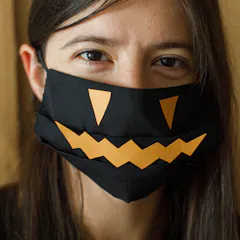
A year ago, face masks were a rarity in Australia. But social researchers say there is evidence of a growing acceptance of this simple object.
Top contributors
-

Professor of Medicine, Epidemiologist, Physician, McMaster University
-
Professor of Global Biosecurity, NHMRC L3 Research Fellow, Head, Biosecurity Program, Kirby Institute, UNSW
-
Senior Lecturer, Infectious Diseases Epidemiology and Control, UNSW
-
Associate Professor, Chemical Engineering, McMaster University
-
Associate Professor, Epidemiology, Deakin University
-
Professor, Biology, York University, Canada
-
PhD Student, Chemical Engineering, McMaster University
-
Professor of Primary Care Health Sciences, University of Oxford
-
Professor, Director of Research, Nursing and Midwifery, Monash University
-
Professor of Epidemiology, Karolinska Institutet
-
Professional Research Fellow, Victoria University
-
PhD Candidate, Department of Engineering, University of Cambridge
-
University of Iowa Distinguished Chair, Professor of Environmental Health, University of Iowa
-
Professor, Great Lakes Institute for Environmental Research and Director of the School of the Environment, University of Windsor
-
Professor of Public Health, Bond University