

Here are some practical tips to keep you comfortable while helping you stay safe.
Articles on Face masks
Displaying 21 - 40 of 144 articles

There’s no need to pull out the candy catapult this year, but a few reasonable precautions can keep COVID-19 transmissions in check.

President Biden outlined a six-point strategy to confront the pandemic. But two public health scholars believe it would work better with help from states.

Fighting against federal authority is a political tradition in the South – and resisting federal guidance to wear masks in schools is just the latest example, an education policy expert writes.

Vaccinations, masks and some distancing – along with low community transmission – can help protect students in classrooms and cafeterias.
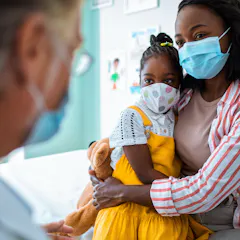
New variants of the COVID-19 virus may be more contagious and cause more severe disease than the original. A pediatrician and infectious disease specialist explains why.
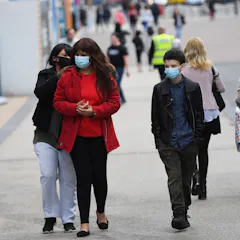
In east Asian countries, past disease outbreaks have made face masks part of everyday life – but the social context supporting such behaviour isn’t present in the UK.
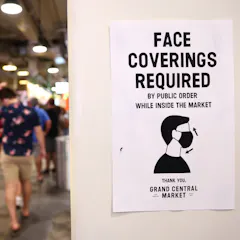
The CDC guidance applies to areas with high coronavirus transmission rates – which on the day of the announcement covered 63% of US counties.
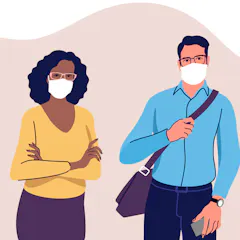
Just because face coverings aren’t mandatory doesn’t mean they’re not protective – so here’s how to ask someone to wear one.
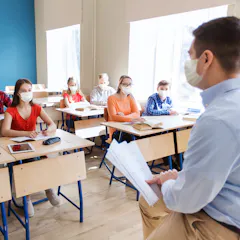
Effective education depends on good communication and relationships, but face masks hinder visual and verbal cues and can be unsettling. So how can teachers and students overcome these issues?
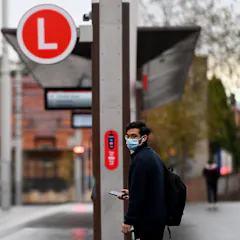
In Hong Kong, SARS created a new social norm, where people accepted mask use as part of their ‘civic responsibility’.
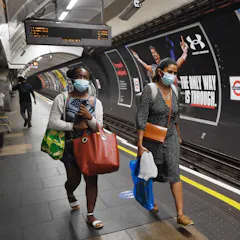
A philosopher of public health ponders whether taking your mask off on July 19 is like punching someone in the face or like riding a bike.
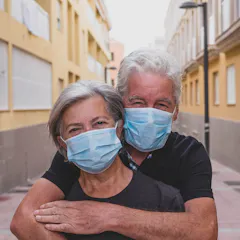
Governments in the west repeatedly failed the public when it came to masks.
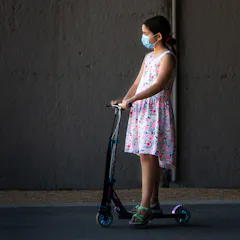
A moral philosopher and bioethicist offers parents some tips for weighing family masking decisions.
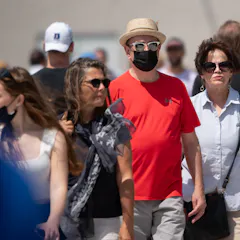
The COVID-19 vaccines are a smash success. But that doesn’t mean they keep every vaccinated person completely free of the coronavirus.
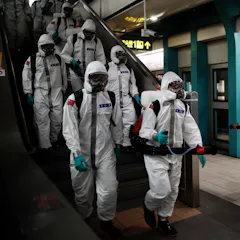
Only about 1% of the population was vaccinated against COVID when this outbreak started.
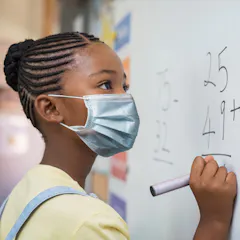
Some face masks now come with a coating of graphene, a substance that can kill microbes. Is it safe to breathe it in?
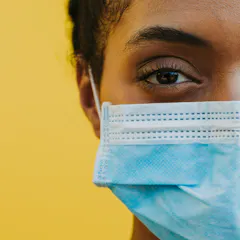
Even though they cover most of our features, face masks are no match for our highly-evolved capacity to recognise friends.
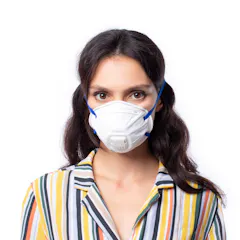
When not properly fitted, high-filtration masks offer only a little bit more protection than cloth or surgical ones.

Your guide to what is going to become of the great British summer bonanza.
Top contributors
-

Professor of Medicine, Epidemiologist, Physician, McMaster University
-
Professor of Global Biosecurity, NHMRC L3 Research Fellow, Head, Biosecurity Program, Kirby Institute, UNSW
-
Senior Lecturer, Infectious Diseases Epidemiology and Control, UNSW
-
Associate Professor, Chemical Engineering, McMaster University
-
Associate Professor, Epidemiology, Deakin University
-
Professor, Biology, York University, Canada
-
PhD Student, Chemical Engineering, McMaster University
-
Professor of Primary Care Health Sciences, University of Oxford
-
Professor, Director of Research, Nursing and Midwifery, Monash University
-
Professor of Epidemiology, Karolinska Institutet
-
Professional Research Fellow, Victoria University
-
PhD Candidate, Department of Engineering, University of Cambridge
-
University of Iowa Distinguished Chair, Professor of Environmental Health, University of Iowa
-
Professor, Great Lakes Institute for Environmental Research and Director of the School of the Environment, University of Windsor
-
Professor of Public Health, Bond University