
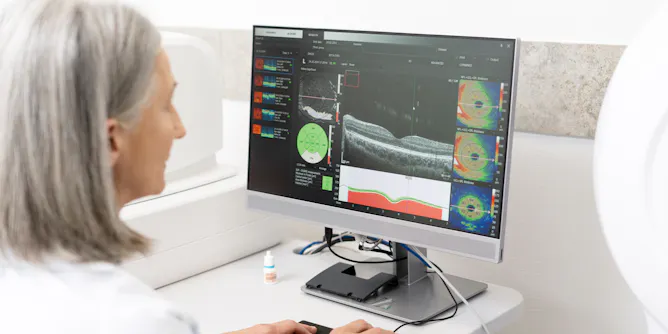
Retinal images could contain information about future cardiovascular risk, including atrial fibrillation.
Articles on Eye health
Displaying 1 - 20 of 61 articles
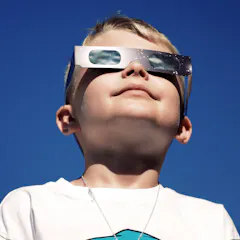
Eclipse glasses, a colander or two pieces of card can all help you watch the 12 August eclipse safely. Ordinary sunglasses cannot.

One in three people worldwide carry a brain-dwelling parasite. Should that keep us awake at night? And are you at risk if you don’t have a cat?

Aging plays a significant role in the development of conditions that can lead to blindness. However, most of these can be prevented or delayed.
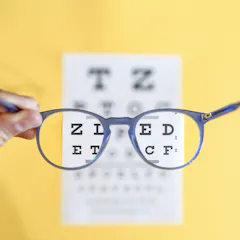
Most vision loss is preventable, yet many New Zealanders can’t afford care. Following Australia’s public funding model could cut costs and reduce inequities.
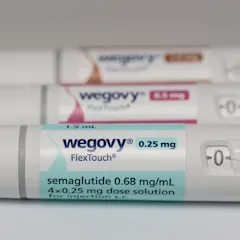
A major study links Wegovy to a rare form of sudden vision loss, and finds men may face three times the risk of women.

Up to 30% of children with juvenile arthritis develop uveitis, an eye inflammation that can damage vision. New research highlights immune cells as treatment targets.

A small but growing number of Australians are being diagnosed with a rare tattoo-related eye condition.
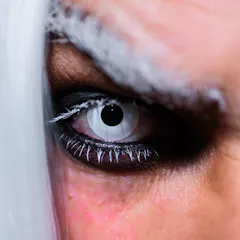
Poor quality contact lenses can cause painful, serious injuries and infections.
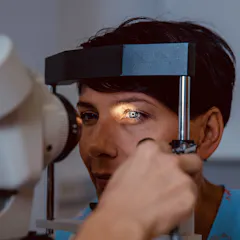
A new study shows drugs such as Ozempic come with a small but increased risk of a condition known as an ‘eye stroke’.

Falls are a common cause of disability and loss of independence in older age. But many falls are preventable.
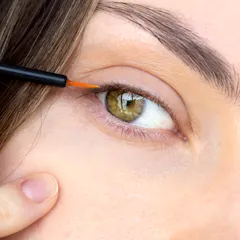
Lash serums promise longer lashes – but some contain glaucoma drugs that can cause darkened skin, sunken eyes and even permanent eye colour change.
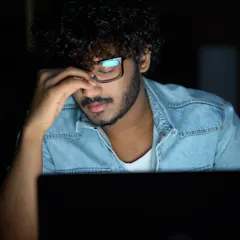
Four in ten people live with astigmatism, which can cause blurred vision and eye strain. Here’s what you need to know.

Eye patches aren’t just for pirates and villains. In Elio, Disney/Pixar introduces a young hero with a patch – and breaks old stereotypes in the process.
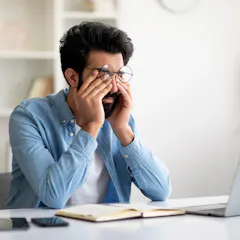
Up to 50% of computer users face symptoms of digital eye strain. This condition isn’t just a matter of discomfort, it can significantly affect your quality of life.

Squinting into the sun can damage your eyes and the delicate skin around them.

There is evidence more time outside can help slow the progression of shortsightedness in children, due to the role sunlight plays in eye growth.
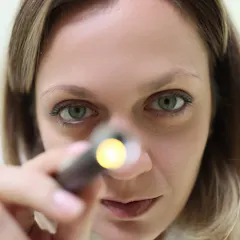
Your GP shines a light in your eyes, orders a blood test and requests some medical imaging. All rely on light to help diagnose disease.
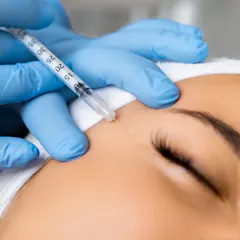
Botox was first used in the 1970s to treat an eye disorder.
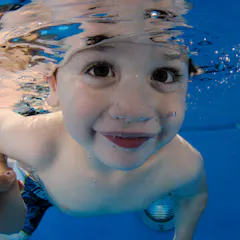
It is generally safe to swim with your eyes open underwater, but wearing goggles is advisable.
Top contributors
-

Professeur Titulaire. École d'optométrie. Expertise en santé oculaire et usage des lentilles cornéennes spécialisées, Université de Montréal
-
Research Fellow, Centre for Eye Research Australia and Honorary Fellow, Department of Surgery (Ophthalmology), The University of Melbourne
-
Clinical Associate Lecturer, University of Sydney
-
Professor of Optometry and Associate Head of School of Medicine (International and Partnerships), Deakin University
-
Lecturer in Optometry and Vision Sciences, Cardiff University
-
Professor of Eye Health and New Technologies for Sight Improvement, Anglia Ruskin University
-
Professor of Eye & Vision Health, Flinders University
-
Professional Lead for Orthoptics, University of Sheffield
-
Academic Specialist, The University of Melbourne
-
Associate Professor, Department of Optometry & Vision Sciences, The University of Melbourne
-
Optometrist, PhD Candidate, Sessional Academic, Deakin University
-
Senior research fellow, Department of Surgery (Ophthalmology) University of Melbourne, The University of Melbourne
-
Associate Professor, Queensland University of Technology
-
Professor of Ophthalmology, Emory University
-
Hugh Taylor is a Friend of The Conversation.
Melbourne Laureate Professor, Harold Mitchell Chair of Indigenous Eye Health, Melbourne School of Population and Global Health, The University of Melbourne