
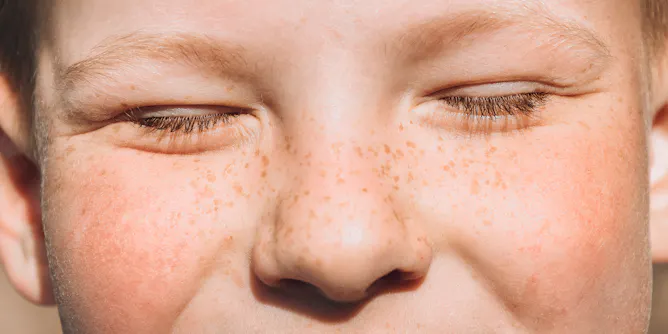
Having longer top eyelashes can enhance our ability to express our feelings and communicate with others. But the most significant reason we have them is to protect our eyes.
Articles on Eye health
Displaying 41 - 60 of 61 articles
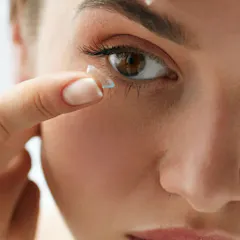
Contact lenses are safe to use during the pandemic as long as you follow strict hygiene recommendations, including frequent hand washing.
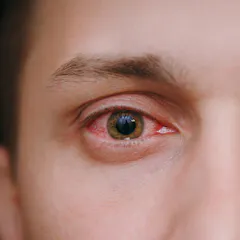
Another troubling consequence of the bushfire smoke is its effects on our eyes. But there are some steps we can take to minimise irritation and any risk of longer term harms.
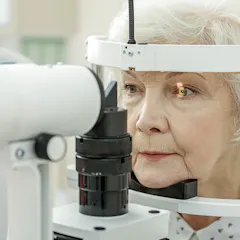
Cataracts, which can be experienced by anyone as they age, happen when the lens of the eye gradually becomes less transparent. There are ways, however, to correct this.

When you head out onto the road, there’s always a chance that you might encounter a driver who has a vision problem, putting his or her driving at risk. Regulations need to change.
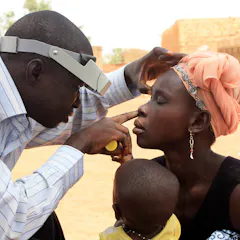
Trachoma is the leading cause of preventable blindness.

The sun emits harmful rays 365 days a year, even when cloudy or rainy. Children must be protected or they may develop cataracts at an earlier age and run the risk of skin cancer of the eyelids.
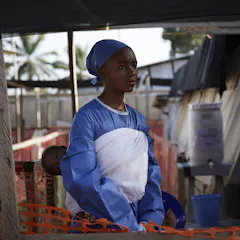
Research has identified a range of health complications in Ebola survivors. These include eye complications and vision problems.

A research lab at the University of Saskatchewan is pursuing the applications of artificial intelligence and machine learning to healthcare diagnoses.
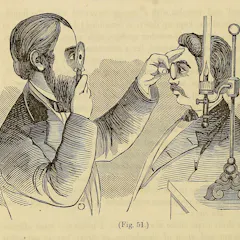
Screen time wasn’t a issue in the 19th century but that didn’t stop concerns over how new developments might damage eyesight

Disease and disorders can affect how we see. Can the images in painted artworks tell us something about the state of an artist’s vision?
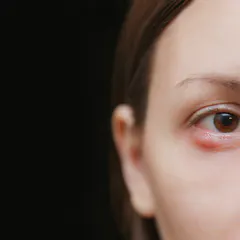
The only way to prevent a stye is to keep your eyelids clean and free of grime that can block your glands.
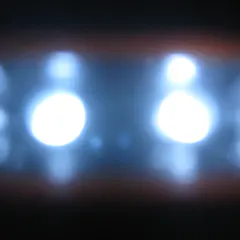
The artificial vision provided by a bionic eye is not like natural sight, and takes a lot of getting used to.
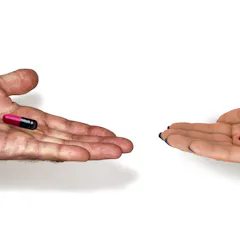
In medical training and practice, gender differences have at last become a vital part of diagnosis and treatment.
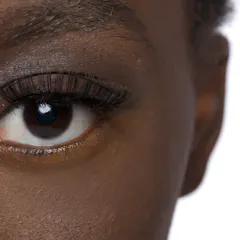
Glaucoma is a slow and silent progressive disease and the second leading cause of blindness, that requires early diagnosis.

Changes to our eyes and ears occur as a result of disease, genetic factors, “wear and tear” and environmental factors.

Whether cheap or expensive, sunglasses play a crucial role in eye protection against ultraviolet radiation.
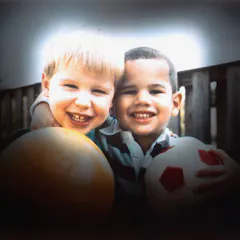
Glaucoma is the sneak thief of sight, affecting the eyesight of more than 50 million people worldwide. It remains the biggest preventable cause of blindness today.
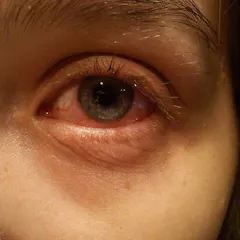
Conjunctivitis is a common condition that often occurs in outbreaks – but what exactly is it?
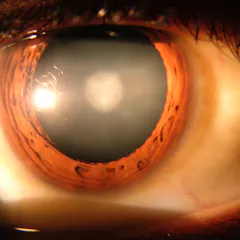
More than a million Australians have an untreated cataract and hundreds of cataract surgeries are performed daily, but what are they?
Top contributors
-

Professeur Titulaire. École d'optométrie. Expertise en santé oculaire et usage des lentilles cornéennes spécialisées, Université de Montréal
-
Research Fellow, Centre for Eye Research Australia and Honorary Fellow, Department of Surgery (Ophthalmology), The University of Melbourne
-
Clinical Associate Lecturer, University of Sydney
-
Professor of Optometry and Associate Head of School of Medicine (International and Partnerships), Deakin University
-
Lecturer in Optometry and Vision Sciences, Cardiff University
-
Professor of Eye Health and New Technologies for Sight Improvement, Anglia Ruskin University
-
Professor of Eye & Vision Health, Flinders University
-
Professional Lead for Orthoptics, University of Sheffield
-
Academic Specialist, The University of Melbourne
-
Associate Professor, Department of Optometry & Vision Sciences, The University of Melbourne
-
Optometrist, PhD Candidate, Sessional Academic, Deakin University
-
Senior research fellow, Department of Surgery (Ophthalmology) University of Melbourne, The University of Melbourne
-
Associate Professor, Queensland University of Technology
-
Professor of Ophthalmology, Emory University
-
Hugh Taylor is a Friend of The Conversation.
Melbourne Laureate Professor, Harold Mitchell Chair of Indigenous Eye Health, Melbourne School of Population and Global Health, The University of Melbourne