

Some animal species have their eyes positioned on their heads differently than how people do – and it comes with pluses and minuses for how they see.
Articles on Optometry
Displaying 1 - 20 of 33 articles
Most vision loss is preventable, yet many New Zealanders can’t afford care. Following Australia’s public funding model could cut costs and reduce inequities.
A new study shows drugs such as Ozempic come with a small but increased risk of a condition known as an ‘eye stroke’.

Squinting into the sun can damage your eyes and the delicate skin around them.
There is evidence more time outside can help slow the progression of shortsightedness in children, due to the role sunlight plays in eye growth.
The eye is sometimes overlooked as a window on an individual’s overall health. A simple routine examination can help detect a number of diseases.
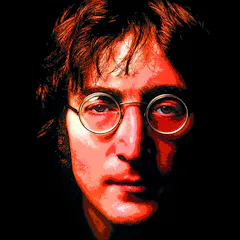
Lennon’s round glasses are a key part of how we remember him. And the story behind why he wore them in public is part history, part vision science.
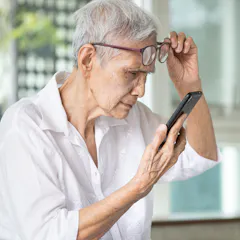
Ever felt like your new glasses are making your ‘natural’ eyesight worse? It could be in the eye of the beholder.
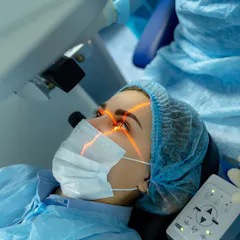
It is possible to have surgery to replace the crystalline lens, the natural lens of the eye, with an implant — without having a cataract. But surgery has risks.

Your faithful companion sees the world differently than you do, but it’s a mistake to assume dogs only see black, white and shades of grey.
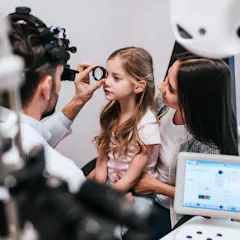
The risk of developing eye complications is high in young people with Type 2 diabetes, which is increasingly affecting children and adolescents, especially those who are more sedentary.
Don’t skip your next eye exam – it could be important for your overall health.
As people age, their eyes lose the ability to focus on close objects. A new eye drop treatment called Vuity can improve vision without the need for glasses, contacts or surgery.
Increased digital screen use, face masks and winter weather combine to form a triple threat to eye health: The dry eye triad. Here’s how to combat the resulting eye fatigue, irritation and discomfort.
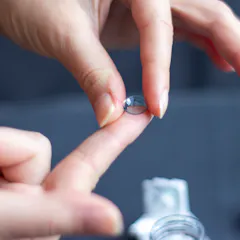
Orthokeratology involves wearing a specially designed rigid contact lens overnight. There’s good evidence it can help slow the progression of myopia. But like all treatments, there are risks, too.

The COVID-19 pandemic has resulted in children spending more time on digital devices, which may have a long-term impact on their vision, including the risk of myopia.

Staring at screens for long periods of time — as we are during the pandemic — can reveal previously undiagnosed eye problems.

It’s a sensation of light that isn’t caused by real light. And don’t worry, it’s totally normal.
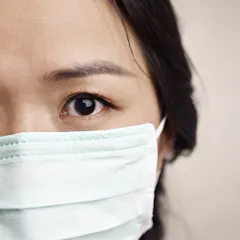
Face masks may help prevent the spread of COVID-19, but they may also contribute to dry, irritated eyes. Learn who is at risk, and how to prevent mask-associated dry eye (MADE).
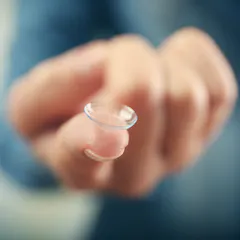
Simple hygiene goes a long way to avoid serious eye infections.
Top contributors
-

Professeur Titulaire. École d'optométrie. Expertise en santé oculaire et usage des lentilles cornéennes spécialisées, Université de Montréal
-
Research Fellow, Centre for Eye Research Australia and Honorary Fellow, Department of Surgery (Ophthalmology), The University of Melbourne
-
Senior Lecturer, Vision Sciences, Glasgow Caledonian University
-
Professor of Optometry, Glasgow Caledonian University
-
Clinical Associate Lecturer, University of Sydney
-
Foundation Director of Optometry Studies, Deakin University
-
Professor in Audiology in the Department of Speech-Language Pathology and Audiology, University of Pretoria
-
Professor of Optometry and Associate Head of School of Medicine (International and Partnerships), Deakin University
-
Associate Professor, Queensland University of Technology
-
Reader in Optometry, Aston University
-
Scientia Associate Professor, School of Optometry and Vision Science, UNSW, Sydney, UNSW
-
Lecturer in Optometry, University of Bradford
-
Hugh Taylor is a Friend of The Conversation.
Melbourne Laureate Professor, Harold Mitchell Chair of Indigenous Eye Health, Melbourne School of Population and Global Health, The University of Melbourne
-
Senior Lecturer, Optometry, University of Hertfordshire
-
Professor of Visual Development, University of Bradford