
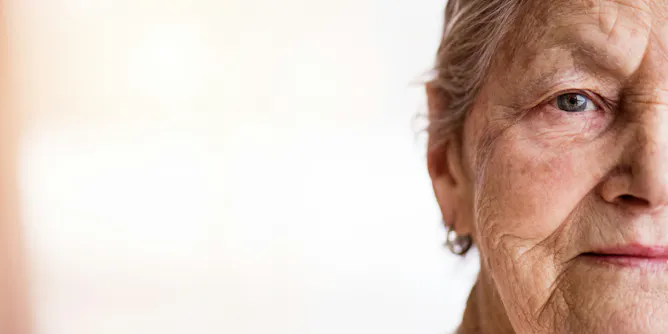
Aging plays a significant role in the development of conditions that can lead to blindness. However, most of these can be prevented or delayed.
Articles on Glaucoma
Displaying 1 - 20 of 21 articles
The eye is sometimes overlooked as a window on an individual’s overall health. A simple routine examination can help detect a number of diseases.
Ever felt like your new glasses are making your ‘natural’ eyesight worse? It could be in the eye of the beholder.
Your eyes are your windows on the world. Here’s how to stop them getting smudgy.

An ode to his hero Homer? The act of a man losing his sight? What is the story behind the famous Ulysses blue.

The COVID-19 pandemic has resulted in children spending more time on digital devices, which may have a long-term impact on their vision, including the risk of myopia.
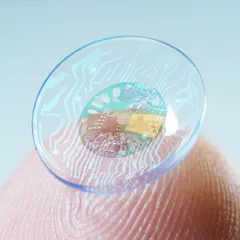
Contact lens technology is reaching the point where science fiction meets reality. From interfaces to pressure monitors and drug release features, the contact lens industry is about to be disrupted.
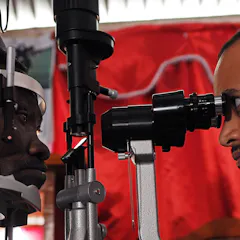
Knowing genetic associations in specific populations will make it possible to focus prevention and treatment on those who will benefit most, sparing expense and side effects from those who will not.

When you head out onto the road, there’s always a chance that you might encounter a driver who has a vision problem, putting his or her driving at risk. Regulations need to change.
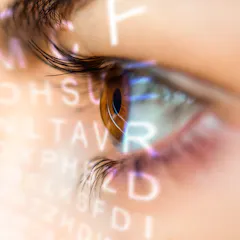
Glaucoma is a serious disease which, if left untreated, can cause blindness. A professor of optometry explains the risks, process of diagnosis and available treatments.

Insurance companies sometimes try to cut costs by substituting less expensive drugs for a specific drug prescription. That’s raising problems in many cases, and actually causing harm.

Disease and disorders can affect how we see. Can the images in painted artworks tell us something about the state of an artist’s vision?
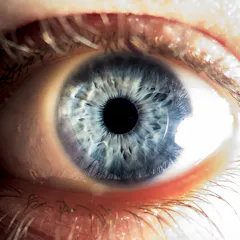
Stem cell treatments for eye disease always seem to be just on the horizon, but real progress is being made.
The artificial vision provided by a bionic eye is not like natural sight, and takes a lot of getting used to.
There is value in including different populations in genetic research studies as has been shown in a study on exfoliation syndrome, which leads to glaucoma.
Glaucoma is a slow and silent progressive disease and the second leading cause of blindness, that requires early diagnosis.

Changes to our eyes and ears occur as a result of disease, genetic factors, “wear and tear” and environmental factors.
Glaucoma is the sneak thief of sight, affecting the eyesight of more than 50 million people worldwide. It remains the biggest preventable cause of blindness today.

Cataract blindness continues to affects tens of millions of people because they cannot access proper care.
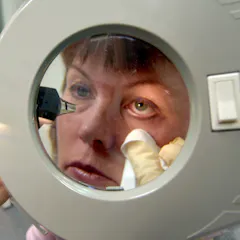
Scientists have discovered that the high pressure in the eye that occurs with most common forms of glaucoma can trigger two genes that work together to cause vision loss, which may help pave the way for new glaucoma drugs.
Top contributors
-

Professeur Titulaire. École d'optométrie. Expertise en santé oculaire et usage des lentilles cornéennes spécialisées, Université de Montréal
-
Lecturer in Ophthalmology, University of the Witwatersrand
-
Director of the Sydney Brenner Institute for Molecular Bioscience, Professor in the Division of Human Genetics, University of the Witwatersrand
-
Clinical Associate Lecturer, University of Sydney
-
Senior research fellow, Department of Surgery (Ophthalmology) University of Melbourne, The University of Melbourne
-
Team Leader, Bionic Eye Psychophysics, Bionics Institute
-
Professor of Glaucoma , College of Ophthalmology of Eastern Central and Southern Africa
-
Hugh Taylor is a Friend of The Conversation.
Melbourne Laureate Professor, Harold Mitchell Chair of Indigenous Eye Health, Melbourne School of Population and Global Health, The University of Melbourne
-
PhD Candidate, Keele University
-
Ophthalmologist at the School of Medicine, Aix-Marseille Université (AMU)
-
Speech Pathologist/Audiologist Senior Lecturer, La Trobe University
-
Senior lecturer, UNSW
-
Professor of Optometry, Anglia Ruskin University
-
Lecturer in Liberal Arts and English, University of Bristol
-
Professor of Optometry and Associate Head of School of Medicine (International and Partnerships), Deakin University