
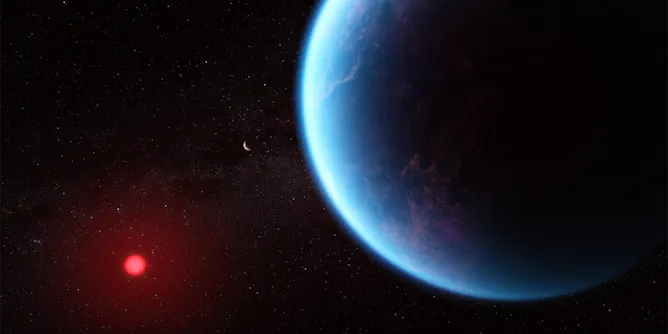
The exoplanet K2-18b could harbor a massive ocean, but scientists will need to study the planet more to see if it’s really likely to host life.
Articles on Exoplanets
Displaying 21 - 40 of 228 articles

It’s the best result yet - but the evidence still isn’t strong enough to convince the scientific community.
The small worlds were particularly challenging to discover.
Scientists already knew how to study the chemical composition of the atmosphere of exoplanets. Now, they can also study details about their powerful winds.
Astronomers have detected possible signs of gases released by volcanic activity.
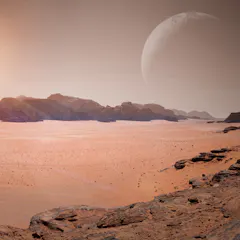
Most planets that have the potential to host life have one side always facing their sun.
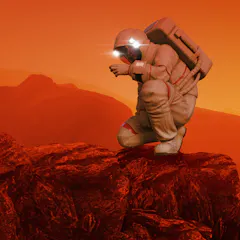
It’s hard to look for something you’ve never seen before – and that might not even exist. But you have to start somewhere.
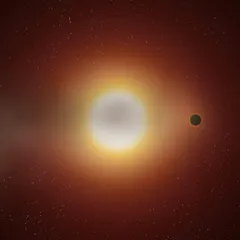
Research on one exoplanet that’s rapidly losing its atmosphere is hinting to scientists why exoplanets tend to look a certain way.

A type of eclipse is crucial for measuring what’s in the atmospheres of planets orbiting distant stars.
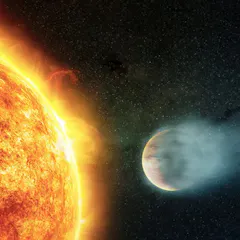
There are several ways in which stars can destroy and swallow their own planets.
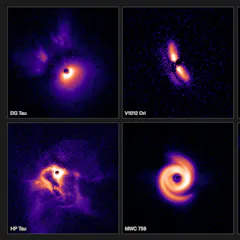
Astronomers have spotted a surprisingly diverse set of planet-forming disks.

Climate scientists have simulated Arrakis as a desert and with its long-lost oceans.
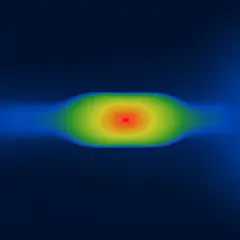
The observation could fill in gaps in our knowledge about planet formation.
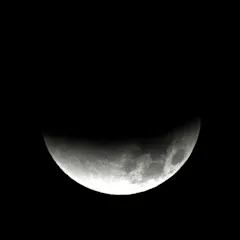
Projects under NASA’s CLPS program – including the Odysseus lander that made it to the lunar surface – will probe unexplored questions about the universe’s formation.
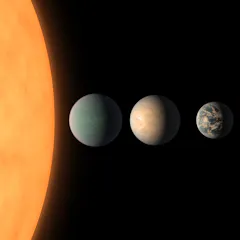
Orbital resonance is kind of like musical harmony, but systems that display it are far more rare than songs with harmonic melodies.
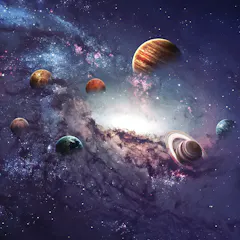
When most of us left school there were still 9 planets – but we’ve come a long way since Pluto’s demotion. Here’s what’s next on the space agenda.
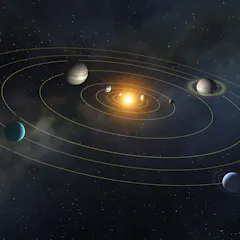
You might hate winter, but at least you know what to expect every year. Other planets have wobbly axes that lead to wild, unpredictable seasons.

A newly discovered planet that should be too big to have formed around a tiny star is throwing into question what researchers know about planet formation.
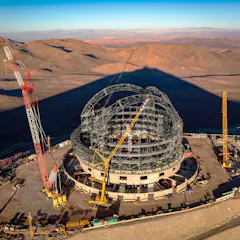
From improving our understanding of dark matter to revealing the location of Earth 2.0, the Extremely Large Telescope promises answers to some of the biggest scientific questions of our time.
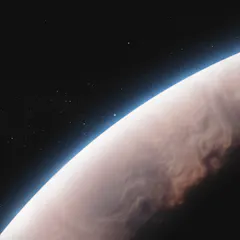
The atmosphere is a reflection of extreme conditions on the super-heated planet.
Top contributors
-

Professor (Astrophysics), University of Southern Queensland
-
University Distinguished Professor of Astronomy, University of Arizona
-
Professor of Astrophysics Education, The Open University
-
Professor (Physics), University of Southern Queensland
-
Associate Dean for Research and Professor of Astronomy and Planetary Sciences, University of Arizona
-
Lecturer, University of Southern Queensland
-
Postdoc astrophysicist, Mississippi State University
-
Associate Professor, Japan Aerospace Exploration Agency (JAXA)
-
Professor of Planetary Geosciences, The Open University
-
Ernest Rutherford Fellow, The Open University
-
PhD Candidate, University of Southern Queensland
-
Senior Lecturer in Physics, Nottingham Trent University
-
Senior Curator (Astronomy), Museums Victoria Research Institute; The University of Melbourne
-
W J McDonald Postdoctoral Fellow, The University of Texas at Austin
-
Professor and Associate Dean (Research), UNSW