
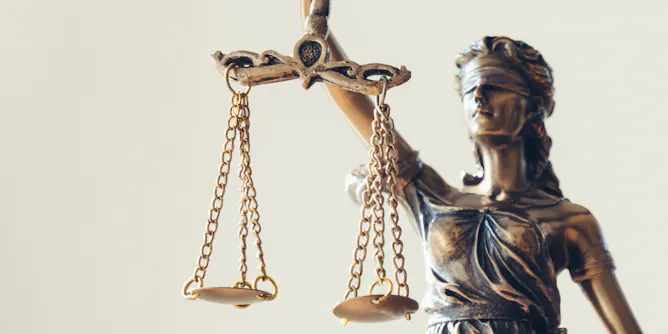
Conviction rates for sexual offences remain low, despite legal reforms in recent years. One reason is the criminal standard of ‘reasonable doubt’ when supporting evidence may be difficult to produce.
Articles on Evidence
Displaying 41 - 60 of 101 articles

The internet has allowed pseudoscience to flourish. Artificial intelligence could help steer people away from the bad information.
Transforming the civil service needs to go far beyond what degree new recruits studied.

Professional societies of doctors, surgeons or physiotherapists are more likely to recommend against treatments provided by others, our new research shows.

Research into contextual bias needs to be more rigorous so recommendations can be made about its effect on forensic analysis.

New international research shows one in four physiotherapists provide treatments that aren’t based on evidence. These treatments aren’t likely to cause harm, but they might waste patients’ time.
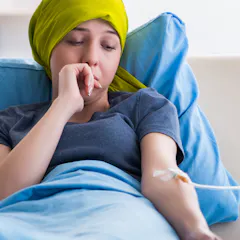
National drug regulators use evidence from clinical trials to decide whether new cancer drugs will be approved for use. But these studies are often flawed.
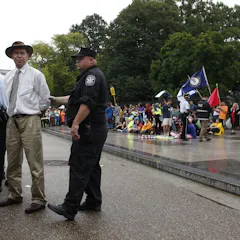
Some climate scientists have spoken out about the dangers of climate change. But a new study shows those voices may not be very influential.
With accessible software tools and workflows, machines can be left to do the laborious work so that people can focus on planning, thinking and doing.
A failure to introduce robust science means forensic science has reached crisis point. The UK has to act now to address this threat to justice.

Some people argue the absence of evidence is not evidence of absence, you just need to keep looking. But there are occasions where finding no evidence is all you can do.
UK forensic science and technology is lurching from crisis to crisis. A fundamental reform of governance and policy making is needed.

How do jurors use different kinds of information about mental illness when making sentencing decisions? An experiment finds that neurobiological evidence could harm or help defendants.
Social media activity suggests that pro-vaccine evidence may be starting to outweigh anti-vaxxer disinformation.
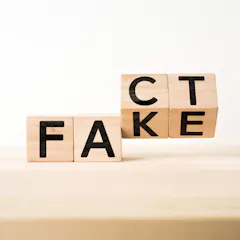
Science is not the absolute truth. Scientific findings are the beginning, not the end, of the quest for truth.
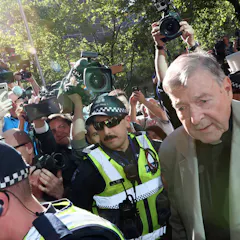
George Pell’s conviction has opened a rift in Australian society, with many people questioning the guilty verdict. Pell’s lawyer has said he will appeal. On what grounds could he do that?

The ‘illumination hypothesis’ – suggests that criminals like enough light to ply their trade, but not so much as to increase their chance of apprehension.

Cases of measles are on the rise as a cohort of unvaccinated children grows up.
Research reveals the flaws in earwitness testimony – and why better guidelines are needed.

If you’re committed to a belief, it’s hard to let go. Psychology and philosophy provide different ways to think about how skeptics respond to counterevidence.
Top contributors
-

Professor: Evidence-Informed Decision-Making, University of Johannesburg
-
Senior researcher at the Africa Centre for Evidence, University of Johannesburg
-
Professor of Evidence Law, University of Sydney
-
University of Johannesburg
-
Senior Research Fellow, Africa Centre for Evidence and Stockholm Environment Institute, University of Johannesburg
-
Professor, Sydney School of Public Health, University of Sydney
-
Professor of Orthopaedic Surgery, UNSW
-
Director of the Research Hub for Language in Forensic Evidence, The University of Melbourne
-
Professor in Philosophy of Science, Durham University
-
Professor of Psychiatry, UNSW & Black Dog Institute, UNSW
-
Associate Professor, Physiotherapy, University of Sydney
-
Lecturer in Ecology, University of New England
-
Senior Lecturer, Department of Psychology, Aberystwyth University
-
Visiting Scholar, University of Wollongong in Dubai (UOWD), University of Wollongong
-
Senior Researcher, University of Johannesburg