
High intensity rain has actually increased, which is topping up underground water stores.
Articles on Ethiopia
Displaying 161 - 180 of 487 articles
States with more capacity, more political inclusion and that make good use of foreign aid tend to see better outcomes.
The African Union needs to launch a credible, robust mediation process with mutually accepted mediators.
Leaders at the centre of the Ethio-Tigray war don’t believe in equal partnership. In their political cultures, winners take all.
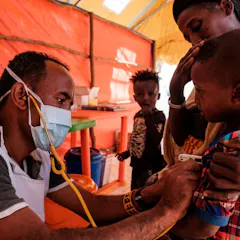
Since the war broke out, some healthcare workers have lost their jobs, others have been displaced, wounded, threatened or killed.

History tells us that non-recognition works and that simply accepting illegal invasions sets a dangerous precedent.

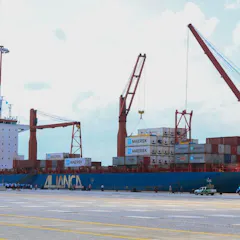
A modern port raises Puntland’s stake within the fragmented political landscape of Somalia and prevents traders from seeking alternatives.
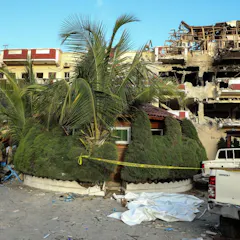
Al-Shabaab’s evolution over nearly two decades has been centred around three major goals.
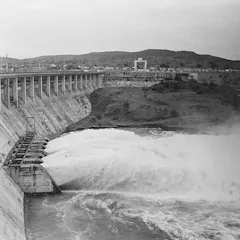
The mega dam in Jinja was meant to give Uganda energy independence, but this was constrained by Britain’s agricultural interests in Egypt.
Mega infrastructure projects entrench existing inequalities when they ignore the economic realities of vulnerable groups.

His songs about the rights of the Oromo people in Ethiopia lifted the spirits of a downtrodden people and his death shook the nation.
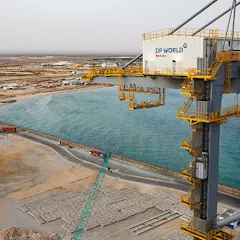
The project promises improved living condition for citizens and fosters ambition for international recognition.
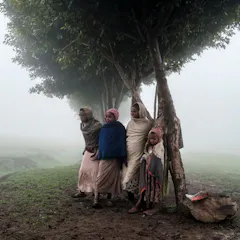
Eritrean refugees in Ethiopia are caught in a conflict in a country that was supposed to provide them refuge.
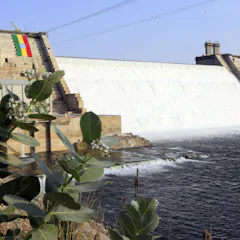
The dam has helped to shift longstanding power relationships and could pave the way for more cooperation among all the countries that depend on the Nile.

Five essential reads on Russia’s relationship with Africa.
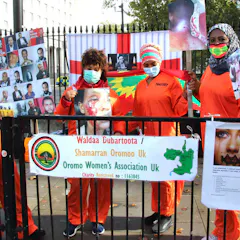
Ethiopia’s largest region is pushing for self-determination - it hasn’t gone down well with Abiy Ahmed’s vision of a centralised state.
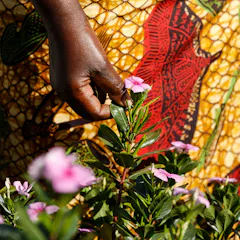
Thousands of plant species are used in African traditional medicine. Extracts from some of these plants are part of important pharmaceutical drugs.
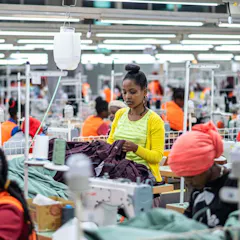
In democratic contexts, getting women into work empowers them. In autocracies like Ethiopia’s, this doesn’t hold. We found out why.

Our research shows that although climate change is a key factor in starting conflict in eastern Africa, it’s not always the most important one.
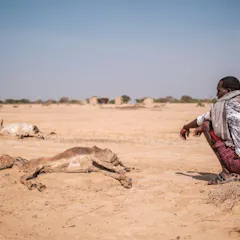
The ongoing humanitarian crisis raises serious questions about future food and water security in the Horn of Africa.
Top contributors
-

Senior Lecturer of Political Science, Georgia Gwinnett College
-
Visiting Lecturer, University of Roehampton
-
Professor, Weber State University
-
Professor Emeritus in Global Health & Humanitarian Affairs, University of Manchester
-
Ph.D. Fellow, Center for Constitutional Democracy, Indiana University
-
PhD candidate, University of the Pacific
-
Associate Professor, Khalifa University
-
Professor of Geography, Ghent University
-
Professor of Sociology and Global and Africana Studies, University of Tennessee
-
Researcher, Ghent University; Oregon State University
-
Senior Research Fellow, Horn of Africa and Southern Africa, Institute of Commonwealth Studies, School of Advanced Study, University of London
-
Professor of International Relations, Norwegian University of Life Sciences
-
Lecturer and Senior Research Fellow at the South African Research Chair in International Law (SARCIL), University of Johannesburg
-
Visiting Adjunct Professor, School of Governance, University of the Witwatersrand
-
CGIAR