
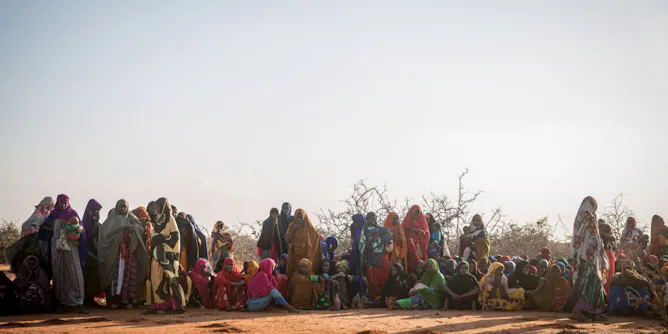
About 7.7 million Somalis need emergency aid right now.
Articles on Ethiopia
Displaying 181 - 200 of 487 articles
Countries have used starvation as a war strategy for centuries, historically without being prosecuted. Three experts on hunger and humanitarian relief call for holding perpetrators accountable.
Refugee law puts humanitarianism above considerations of state sovereignty.
The origins of Ethiopia’s food crisis can be traced to a bitter feud between Eritrean and Tigrayan liberation fighters.
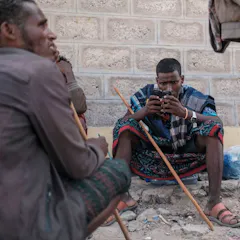
Our work highlights the potential of phone surveys to monitor active and large-scale conflicts.
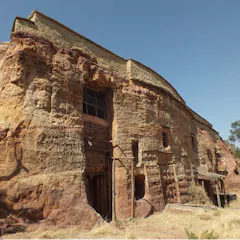
Heritage sites are sources of historical pride, indigenous knowledge and cultural identity.
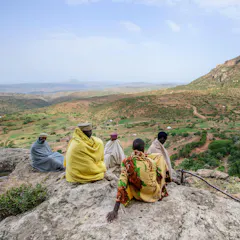
We used satellite imagery to track the decline of vegetation since the civil war began.
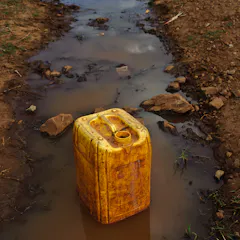
500 million people live in 19 African countries deemed “water insecure”.
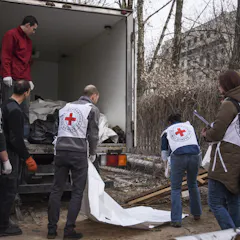
Nearly all of the 129 aid workers killed on the job in 2021 were from the countries where they lost their lives.
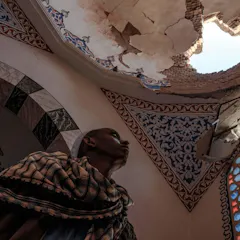
Many of the artefacts Ethiopia is famous for are found in Tigray. Their continued destruction could lead to irreversible culture shock and social collapse.
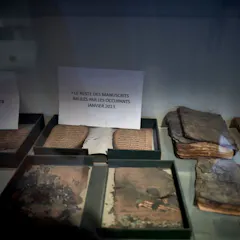
Protecting the continent’s historical artefacts requires political will from governments – and a reawakening of cultural conscience among Africans.

Mental health problems are major indirect consequences of armed conflicts and can have short-term and long-term effects on people.
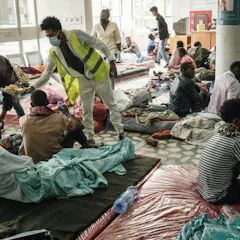
Unless special attention is given to conflict and HIV the war will undermine the achievement of the 2030 goals to end AIDS, discrimination, and new infections.

Repeat photography has been used to document vegetation change in Africa since the 1950s; in the last 30 years there’s been an explosion of interest.
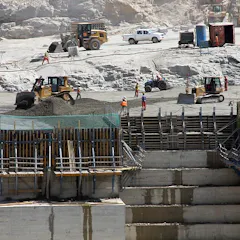
The project violates colonial-era water rights but promises cheap and clean power to East Africa.
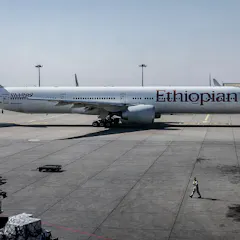
Industry has renewed confidence after Boeing made commitments to redesign aircraft and train pilots
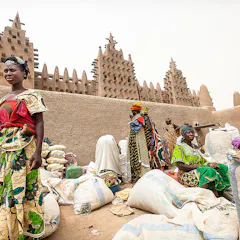
Food security has six dimensions: availability, access, stability, utilisation, agency and sustainability.
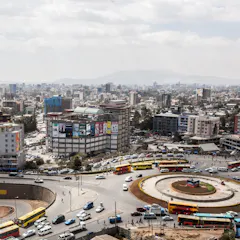
Addis may be shaping up to look like the modern city that the government wants, but it is yet to meet the needs of most residents.
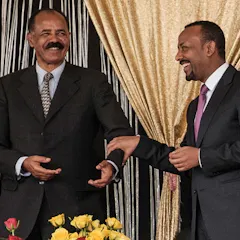
The war in Tigray appears to have boosted Eritrea’s efforts at regional pre-eminence. But it could backfire.
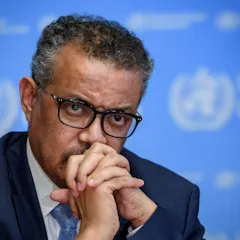
Humanitarians are stuck in a dilemma: challenging practices that cause suffering could risk access to the vulnerable people they serve.
Top contributors
-

Senior Lecturer of Political Science, Georgia Gwinnett College
-
Visiting Lecturer, University of Roehampton
-
Professor, Weber State University
-
Professor Emeritus in Global Health & Humanitarian Affairs, University of Manchester
-
Ph.D. Fellow, Center for Constitutional Democracy, Indiana University
-
PhD candidate, University of the Pacific
-
Associate Professor, Khalifa University
-
Professor of Geography, Ghent University
-
Professor of Sociology and Global and Africana Studies, University of Tennessee
-
Researcher, Ghent University; Oregon State University
-
Senior Research Fellow, Horn of Africa and Southern Africa, Institute of Commonwealth Studies, School of Advanced Study, University of London
-
Professor of International Relations, Norwegian University of Life Sciences
-
Lecturer and Senior Research Fellow at the South African Research Chair in International Law (SARCIL), University of Johannesburg
-
Visiting Adjunct Professor, School of Governance, University of the Witwatersrand
-
CGIAR