

The borderless nature of cyberspace presents particular challenges for African states used to controlling activities in their territory.
Articles on Ethiopia
Displaying 121 - 140 of 487 articles
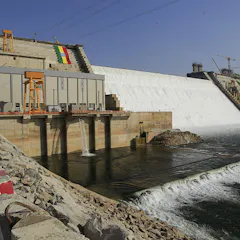
The Nile Basin states are keen to see what kind of deal Ethiopia reaches with Egypt and Sudan.
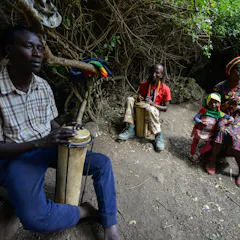
The first Rastafarian communities emerged around 1931 in eastern Jamaica. Today, there are over 700,000 Rastafarian communities located on almost every continent.
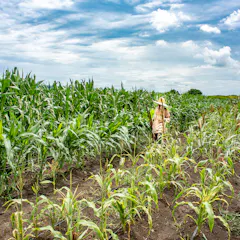
Labour, yields, and biodiversity are all elements of agriculture that need to be balanced.
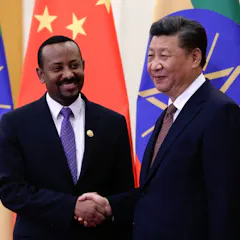
There is increased demand to join BRICS in the emerging world order, partly as a countervailing power to “the west”.
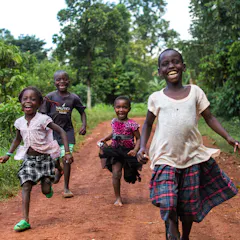
Africa contributes less than 1% of research worldwide on movement behaviours in children. This means that research on movement behaviours has largely excluded over 16% of the world’s population.
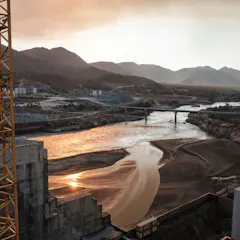
Hundreds of rivers are shared between two or more countries – this could be a source of cooperation or conflict.

Musicians established themselves in the US, where they continued to practice their cultural life, which flourished.
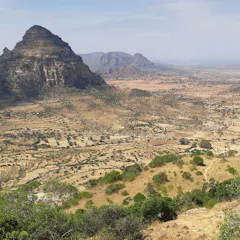
Even though the Tigray war front moved past Dabba Selama several times, the community suffered less than other nearby villages.
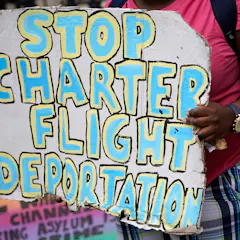
The forced return of migrants by European states has ignored pressures and interests of African countries of origin.
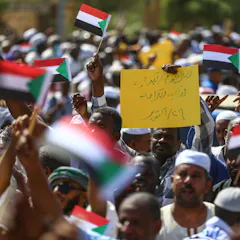
An African-led process would take into account complex regional dynamics – which would lead to a better and more stable peace agreement.
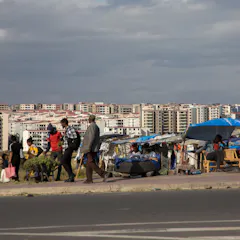
Ethiopia’s mass housing project has built and transferred half-a-million houses in two decades – but it’s damaging the social fabric of communities.

Tanzania’s refugee policy in the 1990s is a good example of how geopolitics affects ordinary refugees.
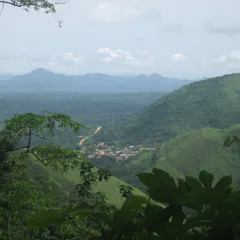
Ghana’s regions have no autonomy, yet creating new ones is contentious as it threatens the interests of chiefs and political parties.
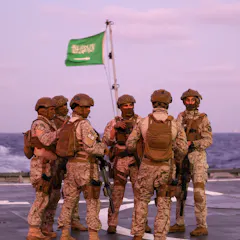
There is a risk that Sudan’s conflict could spill over into neighbouring countries.
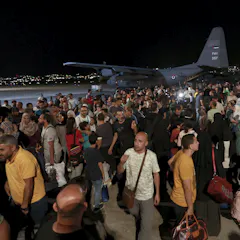
Sudan’s location and natural resources have attracted international partners keen to benefit either geopolitically or economically.
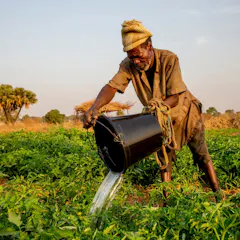
The relationship between small-scale irrigation and food security, diet quality, and nutrition is growing.
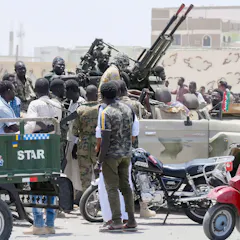
Violence in Sudan threatens to throw the troubled nation into chaos. A scholar of the region explains what is going on and what’s at stake.
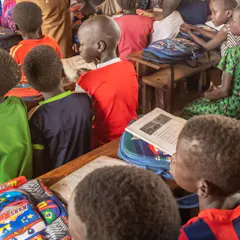
Ethiopia’s unmet refugee education reforms highlight the ways in which bureaucratic structures and interests can shape policy.
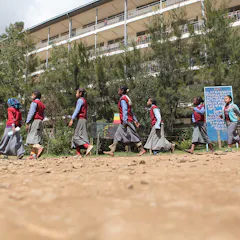
Health extension workers in Ethiopia have had a measurable impact on interconnected challenges such as child marriage, teenage pregnancy, and school dropout.
Top contributors
-

Senior Lecturer of Political Science, Georgia Gwinnett College
-
Visiting Lecturer, University of Roehampton
-
Professor, Weber State University
-
Professor Emeritus in Global Health & Humanitarian Affairs, University of Manchester
-
Ph.D. Fellow, Center for Constitutional Democracy, Indiana University
-
PhD candidate, University of the Pacific
-
Associate Professor, Khalifa University
-
Professor of Geography, Ghent University
-
Professor of Sociology and Global and Africana Studies, University of Tennessee
-
Researcher, Ghent University; Oregon State University
-
Senior Research Fellow, Horn of Africa and Southern Africa, Institute of Commonwealth Studies, School of Advanced Study, University of London
-
Professor of International Relations, Norwegian University of Life Sciences
-
Lecturer and Senior Research Fellow at the South African Research Chair in International Law (SARCIL), University of Johannesburg
-
Visiting Adjunct Professor, School of Governance, University of the Witwatersrand
-
CGIAR