

The genetic evidence behind why some people suffer longer term concussion effects is growing. But what are the ethical considerations that flow from that knowledge when it comes to sport?
Articles on Epigenetics
Displaying 21 - 40 of 113 articles

Aging is a major risk factor for many chronic diseases. Figuring out what influences longevity and how to identify rapid agers could lead to healthier and longer lives for more people.

People don’t all age at the same rate. Untangling the factors that influence health and disease – such as epigenetics, demographics and behavior – could lead to better care for those who need it most.
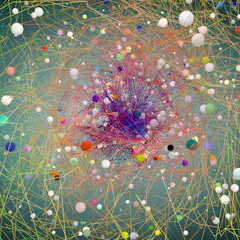
An epigenetic model of cancer that incorporates the concept of stochasticity could also explain why cancer risk increases with age and how biological development can be reversible.
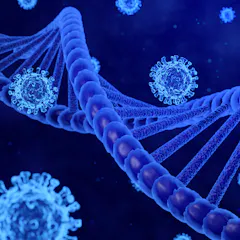
New research adds to scientists’ understanding of how invading pathogens can change the way our genes switch on and off.

Our study in mice shows epigenetic changes in the mother can be passed to her offspring to influence a critical time in how the spine develops.
Genetic modifications to DNA regions involved in metabolism, cholesterol and immunity may play a role in ALS disease progression.

Whether it’s a special treat or family traits, children’s risk of being overweight or obese is strongly linked to their grandparents.

Genes and environments almost always combine to influence our risk of diseases. Research in twins has helped us understand how.

Two-thirds of autism research funding in New Zealand is directed at biology and genetics. The autism community says improving support services and quality of life should be the priorities.

Having strong social support and a sense of belonging buffered and even reversed some of the harmful effects of stress on genes.

Black residents of Shelburne, N.S., spent decades living near a dump, worrying about its possible connection to elevated cancer rates. A new study will investigate the dump’s long-term consequences.

Harsh socio-environmental factors, especially when they happen in the early years of a child’s life, can establish a developmental “biology of misfortune”.
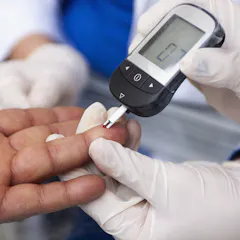
To stem the rise in diabetes, new and innovative methods of risk assessment must be implemented, specific to populations on the continent.

A parent’s or grandparent’s stressful experiences change how their offspring behave. And it turns out that moms’ experiences produce different changes in kids than dads’.
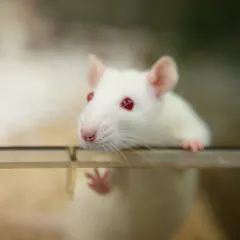
Male rats transfer different hereditary information to their offspring depending on their age.

Racism affects health and often leads to early death. We now know in greater and more alarming detail how this happens.

Scientists are revealing the extent to which our behaviour is influenced by our genes, calling into question our capacity for free will. But there is still scope for change.

Jumbo squids live in extreme environments. Tiny genetic modifications allow them to move back and forth from the surface of the ocean to its bottom, killing and eating everything in their path.
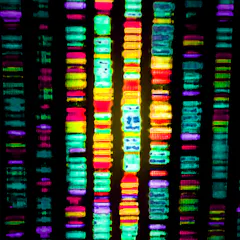
New research provides a template for understanding the role of genetic switches in the development of complex diseases whose causes have so far evaded scrutiny.
Top contributors
-

Deputy Director, Twins Research Australia & Professor in Genetics and Cell Biology, Deakin University
-
Head, Molecular Medicine Laboratory, WEHI (Walter and Eliza Hall Institute of Medical Research)
-
Jenny Graves is a Friend of The Conversation.
Distinguished Professor of Genetics and Vice Chancellor's Fellow, La Trobe University
-
Chair, The Conversation Media Group
-
Professor of Genetic Epidemiology, King's College London
-
Senior Principal Research Fellow, Garvan Institute
-
Canada Research Chair in Social Epigenetics and Professor, UBC Department of Medical Genetics, University of British Columbia
-
Assistant Professor of Systems Biology and Cancer Metabolism, University of California, Merced
-
Professor of Biomedical Engineering, Johns Hopkins University
-
Honorary Research Associate, La Trobe University
-
Postdoctoral research associate, University of Southampton
-
Clinical Therapist, West Virginia University
-
Professor of Epigenetics at the Department of Physiology, Development and Neuroscience, University of Cambridge
-
Lecturer, Macquarie University
-
Associate Professor, Stanford University