
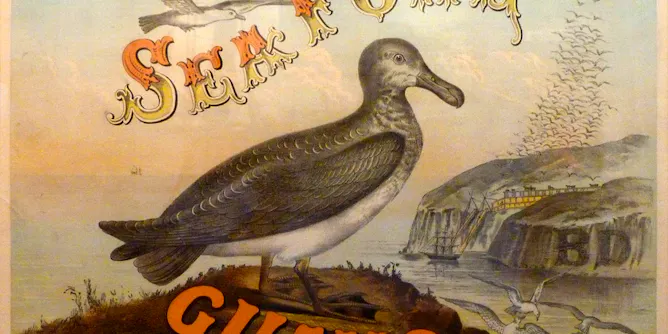
Long before synthetic fertilizers, the global guano trade reshaped farming, fueled American expansion and exposed the hidden human costs of feeding the modern world.
Articles on Environmental history
Displaying 1 - 20 of 32 articles
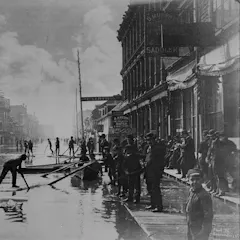
With weather records dating back hundreds of years, it’s possible to track everything from sudden downpours that led to flash floods to the slow changes that occur over centuries.
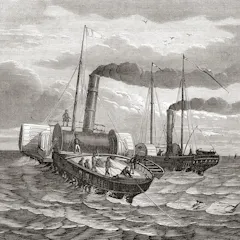
The telegraph was hailed for its revolutionary ability to span distance. Now AI is being hailed as a great leap forward. But both came with environmental costs.
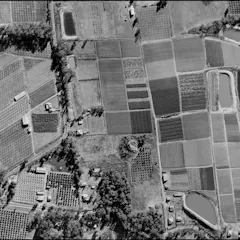
Vineyards, dairies, market gardens, orchards and oyster leases once dotted Sydney. Much – but not all – has been lost to developers.
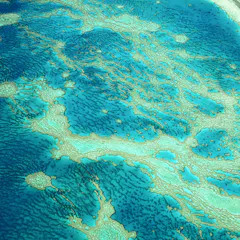
In the late 1960s, oil and gas companies began exploring the Great Barrier Reef for oil. It took campaigners, unionists and a royal commission to protect the reef.
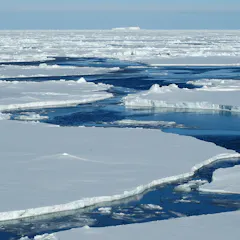
In 1898, a pioneering Antarctic expedition was stuck in sea ice for over a year. In 2024, that area is open water.
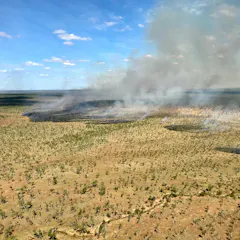
Indigenous fire management shaped Australian tropical savannas over millennia, until the arrival of Europeans pushed the landscape back into a dangerous, unmanaged state.
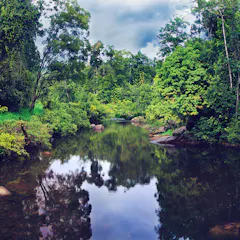
When people first came to Australia 65,000 years ago, the Earth was in an ice age. Then the seas rose, drought and floods came – and still people endured.
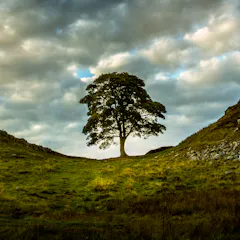
The iconic tree lived through the Little Ice Age, modern climate change, and an alarming drop in biodiversity.
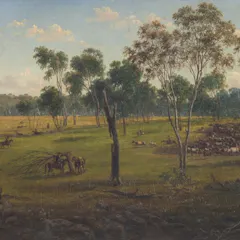
Newcomers in Australia found and took rich pastures made by Aboriginal fire. Without fire, pastures would revert to forest or scrub.
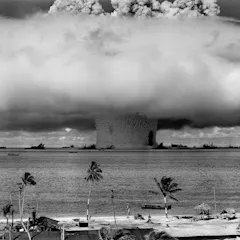
We’re having a big impact on the planet. But what marks will we leave behind in deep time?

Even in a time with limited alternatives, polluted waterways were not simply accepted without complaint.
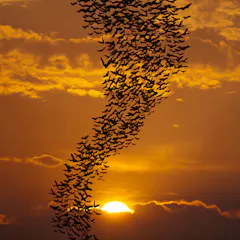
Humans have long struggled to understand the nocturnal world. As environmental change becomes increasingly acute, understanding their lives has never been more critical.
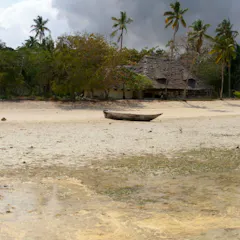
Human waste created the landscape for a medieval Indian Ocean trading port and may eventually have led to its demise.
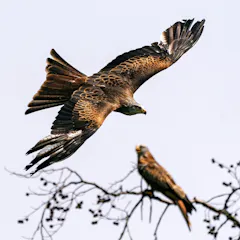
Plague-wary Londoners tolerated mischievous red kites and ravens for their services to the city’s sanitation.
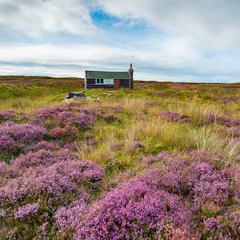
The UK’s marshes, bogs and fens provided the bare necessities of daily life for many centuries.
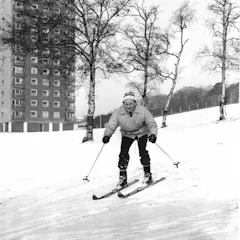
Food shortages, festivities and far-off fighting – Britain’s coldest winters were among its most memorable.
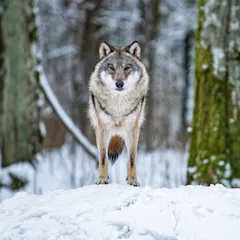
Historians and scientists discovered how colonisation in eastern Europe changed ecosystems – and the societies embedded in them.
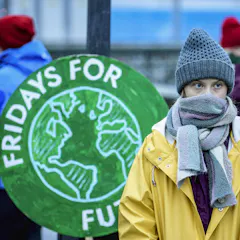
Instead of Tudors and Churchill, history students need to learn how civilisation has arrived at the point of no return.
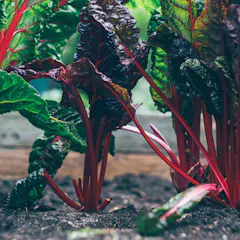
Saving seed is a way of protecting the world’s vegetable varieties, saving money, and increasingly, a political statement too.
Top contributors
-

Associate Professor of Medieval History, University of Oxford
-
W. M. Keck Professor of Environmental Analysis and History, Pomona College
-
Distinguished Professor of History and Environmental Studies, Penn State
-
Cecil D. Andrus Endowed Chair for Environment and Public Lands and University Distinguished Professor, Boise State University
-
Senior Lecturer in Modern and Environmental History, University of Bristol
-
Adjunct Associate Professor James Cook University and University Fellow Charles Darwin University, James Cook University
-
Associate professor in Physical Geography, Northumbria University, Newcastle
-
Associate Professor, Oceans Ice and Climate, University of Tasmania
-
Professor of History, The University of Western Australia
-
Associate Professor in History of Modern Science and Technology, University of Cambridge
-
Director, Gender and Women's History Research Centre, Australian Catholic University
-
Professor of Environmental History, University of Liverpool
-
Lecturer in History, Coventry University
-
Emeritus Professor of History, Australian National University
-
Affiliate Researcher, Department of Geography, McGill University