
New research argues no other concept reflects our planet-wide transformation in its proper context of deep time.
Articles on Anthropocene
Displaying 1 - 20 of 135 articles
Environmental solutions that come in the guise of technological progress may harbour dangers we can’t fully fathom or control.
Just one of the many ways the Anthropocene is reshaping life on Earth.
Ice cores provide important evidence as archival records of global atmospheric composition that has constantly changed.
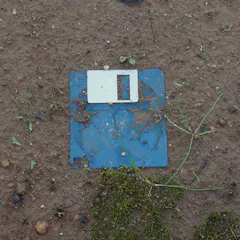
Chickens, concrete, computers and clothes will leave a billion-year mark in the rocks.
We should consider what our society is doing to the planet not just during our individual lifespans but over the long term.
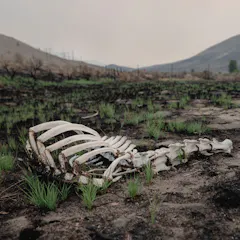
Such massive disruptions have in the past been caused by volcanoes or meteorites. Only humans have done this with full awareness of their actions.
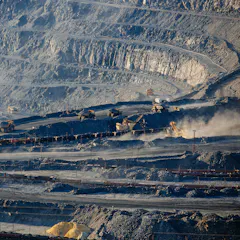
Scientists Jan Zalasiewica and Erle Ellis on the recent decision to reject a proposal for a new geological epoch, the Anthropocene. Listen to The Conversation Weekly podcast.
The idea cannot be stopped, even if geologists have voted not to recognise a new epoch.

The recent rejection of the start of the Anthropocene epoch reminds us of the paramount importance of preserving what remains of our current Holocene.
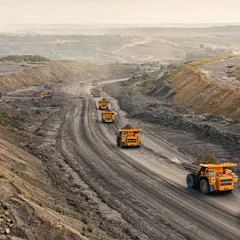
Geologists recently voted down a proposal to formally recognise the Anthropocene.
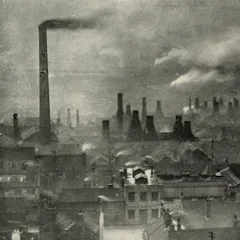
Scientists have been debating the start of the Anthropocene Epoch for 15 years. I was part of those discussions, and I agree with the vote rejecting it.
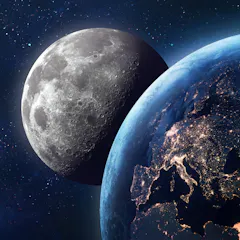
As space travel and lunar exploration becomes a near-future reality, we should consider the impact of human activities on the lunar environment.
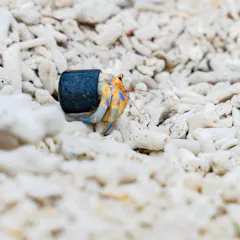
Hermit crabs have been using plastic waste such as bottle tops as homes instead of empty snail shells.
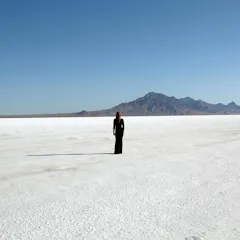
Sarah Nance uses geologic data and a variety of artistic media to help people think about their place in the landscapes they use and occupy.
‘Somebody has to do something’: Top feature film and documentary picks from scholars examining climate change and cinema offer courage to hold contradictory truths and pursue climate solutions.
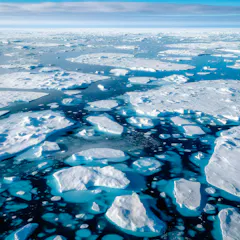
The Anthropocene began quickly, but will last deep into the geological future.

Humanity’s ecological footprint takes many different and interconnected forms that are all getting worse.
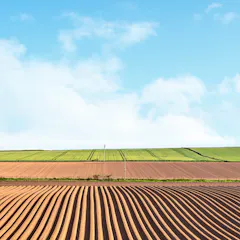
Britain has lost large areas of semi-natural habitat since the 1930s.
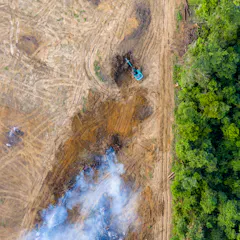
Our relationships with the natural world have changed, and addressing how we understand our place in the world will help us find solutions to current environmental crises.
Top contributors
-

Professor of Palaeobiology, University of Leicester
-
Professor of Earth System Science, UCL
-
Professor of Palaeobiology, University of Leicester
-
Professor of Global Change Science at University of Leeds, UCL
-
Professor of Geography and Environmental Systems, University of Maryland, Baltimore County
-
Assistant researcher, University of Sydney
-
Honorary Professor, Department of Geology, University of Leicester
-
Adjunct professor, UNSW
-
Principal Lecturer in Psychology, University of Brighton
-
Emeritus Professor of Life Sciences, Arizona State University
-
Allan and Helaine Shiff Curator of Climate Change, Royal Ontario Museum and Assistant Professor, Ecology and Evolutionary Biology, University of Toronto
-
Associate professor, Global Change Institute, University of the Witwatersrand
-
Adjunct Professor of Society & Environment, University of Technology Sydney
-
Honorary Professor, Archaeology, The University of Queensland
-
Professor of Environmental Studies, Affiliate Faculty in Religious Studies, University of California, Santa Barbara