
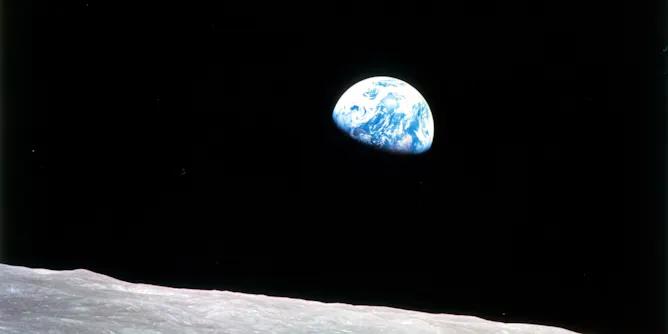
Historical perspective can offer much in this time of ecological crisis,. Many historians are reinventing their traditional scales of space and time to tell different kinds of stories that recognise the unruly power of nature.
Articles on Environmental history
Displaying 21 - 32 of 32 articles

The process known as policy analysis requires careful consideration and deliberation. In most cases, the public also gets to weigh in.
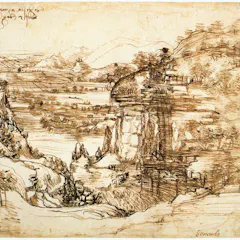
His exquisite drawings suggest a particular depth of feeling for the natural world and he was attuned to the emotions of animals. Yet it seems that preservation of nature was not on Leonardo’s mind.
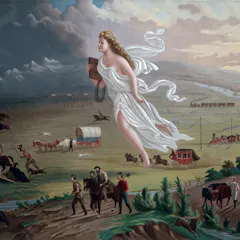
Progress, in historical terms, has so often meant clearing places of their native inhabitants – both human and non-human.
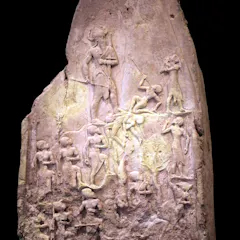
Scientists have discovered new evidence of a drought that finished off the Akkadian Empire 4,000 years ago.
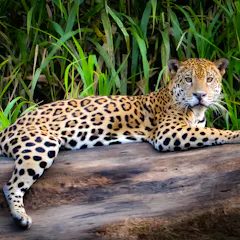
Stories of substitution and surrogates are all too common in the wildlife trade, especially when it comes to medicines derived from animal parts.
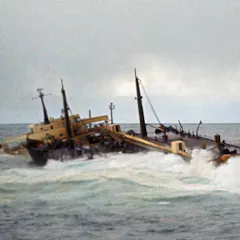
Oil spills, nuclear meltdowns and chemical poisonings should be taught in schools.
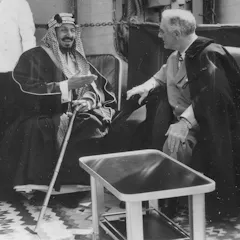
Big Oil has historically played a behind-the-scenes role on American policy and politics. No longer.
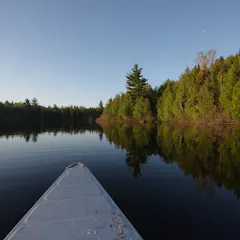
Almost 100 years ago, the foundations to preserve the Boundary Waters in Minnesota for recreation were put in place. Now residents are debating whether to allow a mine in its headwaters.
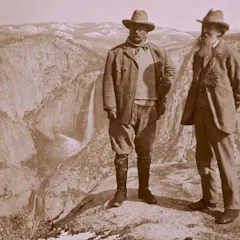
Historically, environmental causes enjoyed bipartisan support but gains by NGOs and the emergence of climate change as a social issue have created a sharp political divide.
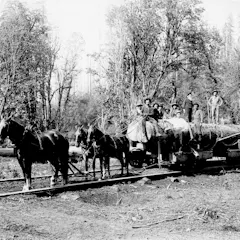
What explains the anger behind the Malheur occupation in Oregon, and why does the BLM own so much land in the West?
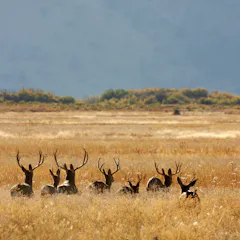
Like much federal land in the US West, the Malheur National Wildlife Refuge has a long history tied to Native Americans’ plight and conflicts between settlers and the federal government.
Top contributors
-

Associate Professor of Medieval History, University of Oxford
-
W. M. Keck Professor of Environmental Analysis and History, Pomona College
-
Distinguished Professor of History and Environmental Studies, Penn State
-
Cecil D. Andrus Endowed Chair for Environment and Public Lands and University Distinguished Professor, Boise State University
-
Senior Lecturer in Modern and Environmental History, University of Bristol
-
Adjunct Associate Professor James Cook University and University Fellow Charles Darwin University, James Cook University
-
Associate professor in Physical Geography, Northumbria University, Newcastle
-
Associate Professor, Oceans Ice and Climate, University of Tasmania
-
Professor of History, The University of Western Australia
-
Associate Professor in History of Modern Science and Technology, University of Cambridge
-
Director, Gender and Women's History Research Centre, Australian Catholic University
-
Professor of Environmental History, University of Liverpool
-
Lecturer in History, Coventry University
-
Emeritus Professor of History, Australian National University
-
Affiliate Researcher, Department of Geography, McGill University