
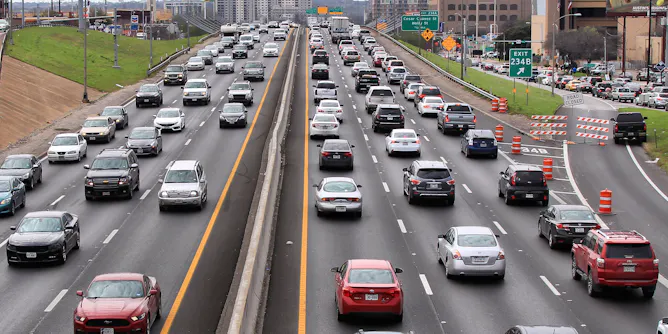
Living next to a highway is not great for health, but a new study shows that running air filters indoors can remove tiny particles of pollution and lower blood pressure.
Articles on Environmental health
Displaying 101 - 120 of 202 articles
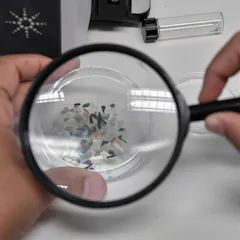
As more and more plastic trash permeates the oceans, fragments are making their way into fish and shellfish – and potentially into humans.

Thousands of chemical compounds in wildfire smoke are interacting with each other and sunlight as the smoke travels. For people downwind, it can become more toxic over time.
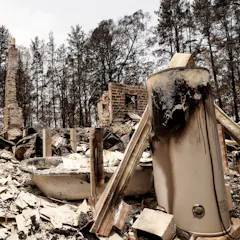
A new study shows how toxic chemicals like benzene are leaching into water systems after nearby fires. The pipes don’t have to burn – they just have to heat up.
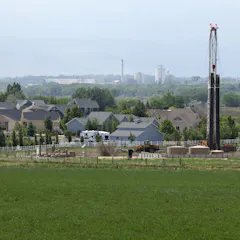
Living near oil and gas production can affect mental health, driving stress and feelings of depression.
PFAS chemicals are toxic, widespread and persistent in the environment, and the federal government has been slow to regulate them. A scientist explains why evaluating them one by one isn’t working.
Endocrine-disrupting compounds are pervasive in modern life, from food packaging to shampoo. Research is connecting their effects on humans to risk of severe illness or death from the coronavirus.
Most local farmers are indifferent to the effect of chemicals on consumers.

A new study shows that while fine particle air pollution has declined nationwide over the past 40 years, the health and environmental benefits haven’t been shared evenly.
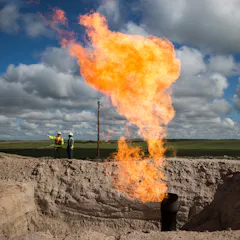
Flaring, or burning, waste gas from energy production has sharply increased over the past decade. It wastes usable fuel, pollutes the air, and helps drive climate change.
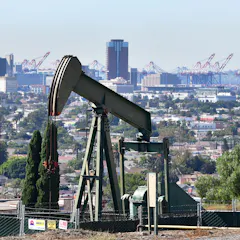
A new study finds an association between living near active oil and gas wells in California and low birth-weight infants, adding to findings elsewhere on health risks from oil and gas production.
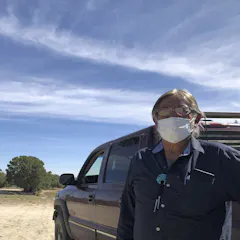
Many Native American tribes are reporting high COVID-19 infection rates. State and federal agencies are impeding tribes’ efforts to handle the pandemic themselves.

As restaurants and cafes re-open, here’s what you can do to limit the chance of coronavirus transmission.

We spend 90% of our lives indoors, and every building has its own indoor microbiome. Can we learn to manage them in ways that support helpful microbes and suppress harmful ones?

Bacteria and other toxic biological waste arising from decomposing bodies can contaminate water sources, representing a public health concern.

Starting Feb. 6, 2020, California farmers will be barred from using chlorpyrifos on their crops. The Trump administration says more study is needed, but other states are also moving ahead.

These harmful pollutants are responsible for 20% of roadside pollution.

Average temperatures in Australia are already high by international standards, but what happens when they continue to rise? How much heat can our bodies withstand?
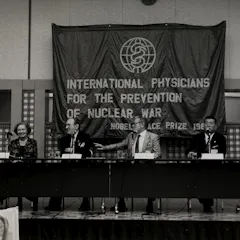
Doctors have long taken up global issues, from nuclear war to ozone depletion and climate change, and helped shift the course of history.
EPA is moving to regulate two chemicals from a group called PFAS that are contaminating drinking water. A public health expert explains why the agency should take much broader action.
Top contributors
-

Honorary Professor, School of Natural Sciences, Macquarie University
-
Assistant Professor of Environmental Health, Middlebury College
-
Associate Professor of Environmental and Occupation Health, University of California, Irvine; University of Southern California
-
Senior Lecturer in Pharmacology, Adelaide University
-
Professor of Environmental Health Sciences, UMass Amherst
-
Professor, Environmental Studies Program at UC Santa Barbara
-
Associate Professor of Environmental and Occupational Health Sciences, University of Washington
-
Postdoctoral research fellow, Macquarie University
-
Chief Specialist Scientist (Public Health), South African Medical Research Council
-
Associate Professor of Sociology; Co-Founder, Center for Environmental Justice at CSU, Colorado State University
-
Professor of Earth Sciences and Executive Director, Environmental Resilience Institute, Indiana University
-
Emeritus Professor of Medicine, Adelaide University
-
Honorary Associate Professor in Environmental Health, Australian National University
-
Specialist scientist, South African Medical Research Council
-
Professor of Environmental Health Sciences, Johns Hopkins University