

The worst effects are during high nighttime temperatures, something happening more often with climate change. Wildfire smoke adds to the risk.
Articles on Environmental health
Displaying 81 - 100 of 202 articles
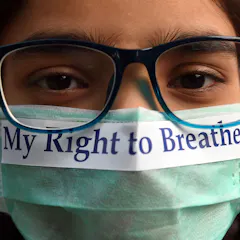
It’s more than moral posturing. Resolutions like this have a history of laying the foundation for effective treaties and national laws.
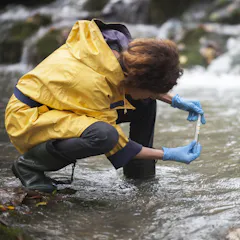
These chemicals are now present in water, soil and living organisms and can be found across almost every part of the planet – including 98% of the American public.

Tests found PFAS in school uniforms, pillows, upholstered furniture and several other items that are often next to children’s skin and near their noses and mouths.

Cleaning and reoxygenating the river Thames has helped its biodiversity surge, but there’s still more to be done to make it healthy.

As a short term measure, modular refineries may help Nigeria with its fuel crisis. It is however not likely to be a long term solution.
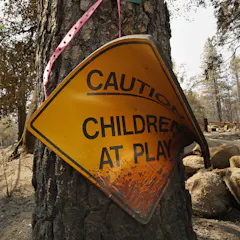
The author’s 9-year-old son will likely face about four times as many extreme events in his lifetime as older adults today. An international report explains the impacts already being felt.

Mercury is a neurotoxic metal that can cause irreparable harm to human health – especially the brain development of young children. A scientist explains how it gets from power plants to fish to you.
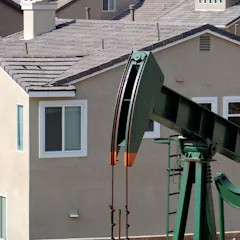
Photos from the early 1900s show LA’s forests of oil derricks. Hundreds of wells are still pumping, and research shows how people living nearby are struggling with breathing problems.

Trace metal exposure can lead to concerning neurocognitive effects in people of all ages.

It will cost tens of billions of dollars to find and remove all the lead service lines that deliver water to US homes and schools. A public health expert explains why he sees it as money well spent.

The Centers for Disease Control has announced a new, stricter standard for lead poisoning in children, which will more than double the number of kids considered to have high blood lead levels.

To stay healthy, it’s important to understand how wildfire smoke can harm your body and how to protect yourself.
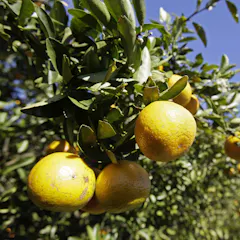
What kind of evidence does it require to get a widely used chemical banned? A professor of medicine and former state regulator explains how the case for chlorpyrifos as a threat to public health developed.

People are exposed to toxic substances – like pesticides, chemicals in plastics and radiation – every day. A growing body of research shows that this exposure is causing a decline in male fertility.
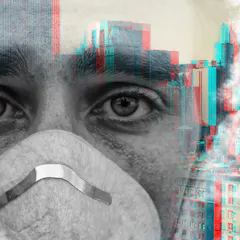
Early exposure to lead pollution may lead to less mature personality traits as an adult.

Roundup may be taking a beating in the US, where three juries have concluded that it gave plaintiffs cancer, but it’s still widely used around the globe.
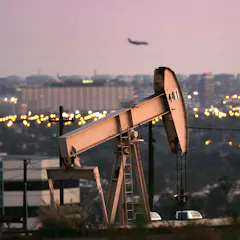
Photos from the early 1900s show LA’s forests of oil derricks. Hundreds of wells are still pumping, and new research finds people living nearby are struggling with breathing problems.

Building retrofits are no joke: They make dwellings healthier and more energy-efficient. And when they’re done in low-income housing, they also reduce inequality.
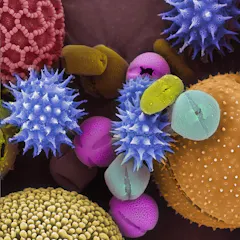
As climate change drives pollen counts upward, that could potentially result in greater human susceptibility to other viruses, as well.
Top contributors
-

Honorary Professor, School of Natural Sciences, Macquarie University
-
Assistant Professor of Environmental Health, Middlebury College
-
Associate Professor of Environmental and Occupation Health, University of California, Irvine; University of Southern California
-
Senior Lecturer in Pharmacology, Adelaide University
-
Professor of Environmental Health Sciences, UMass Amherst
-
Professor, Environmental Studies Program at UC Santa Barbara
-
Associate Professor of Environmental and Occupational Health Sciences, University of Washington
-
Postdoctoral research fellow, Macquarie University
-
Chief Specialist Scientist (Public Health), South African Medical Research Council
-
Associate Professor of Sociology; Co-Founder, Center for Environmental Justice at CSU, Colorado State University
-
Professor of Earth Sciences and Executive Director, Environmental Resilience Institute, Indiana University
-
Emeritus Professor of Medicine, Adelaide University
-
Honorary Associate Professor in Environmental Health, Australian National University
-
Specialist scientist, South African Medical Research Council
-
Professor of Environmental Health Sciences, Johns Hopkins University