
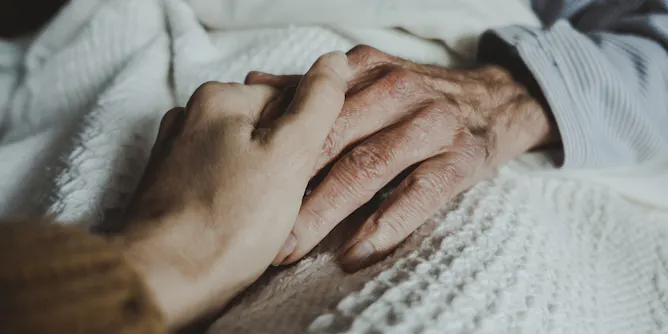
Assessing a patient’s autonomy can be more difficult when mental illness is the main source of their suffering.
Articles on End of life
Displaying 21 - 40 of 56 articles
It’s illegal to discuss voluntary assisted dying via telehealth, which means people who live in rural areas and those who can’t physically go to see a doctor may not be able to access the scheme.
Here’s who is eligible to request voluntary assisted dying in NSW and how its laws compare with those in other Australian jurisdictions.

Exploring colors can help discuss abstract, challenging topics in concrete ways – especially experiences doctors and caregivers may encounter caring for people at the end of life.

The decision-making capacity of people under 18 would be assessed on a case-by-case basis by medical practitioners.

Finding a supportive doctor willing and qualified to assess your eligibility for voluntary assisted dying sometimes depends on luck.

Every extra organ available for donation is potentially lifesaving. And it can be done safely and ethically.
It’s been a long time coming. But this latest news means the ACT and NT could draw up their own voluntary assisted dying laws, bringing them into line with the states.
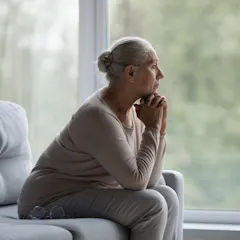
Reflection Rooms support people making sense of experiences related to dying and death. They provide an immersive space to read stories written by others and write and share their own stories.
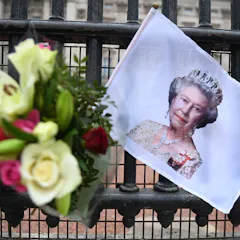
Grieving the queen’s passing can be different to grieving the loss of someone we were close to. It’s also complicated by politics, colonialism and the contest about who she really was.

Voluntary assisted dying is now legal, or will soon will be, in all six states. But we need enough doctors to put their hands up for training.

Our health-care system needs to respond in a more just, inclusive, caring and timely way to allow in-person final goodbyes from those who matter most to those at the end of life.
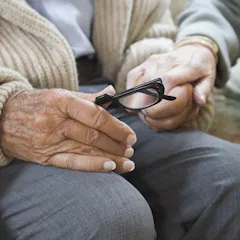
When you prepare to talk about end-of-life decisions and the legacy you want to leave behind, try thinking about them as gifts you bestow to family and friends.
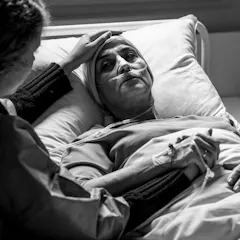
Evidence suggests messages the patient thought to be crystal clear often appear unclear to doctors and family.
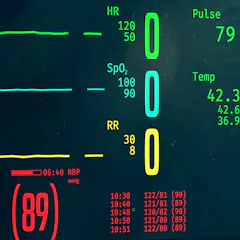
Is a person dead when their heart stops beating? It turns out that the classic “flatline” of death is not so straightforward.
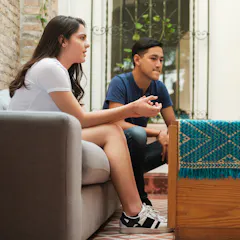
The pandemic is bringing up tough new questions as parents and grandparents develop advance care plans. Here’s how to start the conversation.
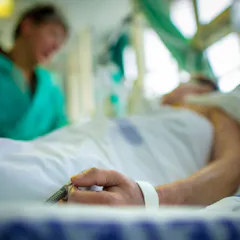
Even the most considered medical phrases require careful reflection.

Nine states and the District of Columbia currently have laws that permit assisted dying, but the laws are so restrictive that they are often more hurdle than help.

Nurses who surround the process of medically assisted dying are an important source of insight into the real conversations our society needs to have about what it’s really like.

Formally planning ahead in case of illness or injury can provide you a voice when you may no longer have one - here’s our guide
Top contributors
-

Distinguished Professor, Professor of End-of-Life Law and Regulation, Australian Centre for Health Law Research, Queensland University of Technology
-
Professor of Law, Australian Centre for Health Law Research, Queensland University of Technology
-
Senior Lecturer in Law, Australian Centre for Health Law Research, Queensland University of Technology
-
Postdoctoral Research Fellow, Australian Centre for Health Law Research, Queensland University of Technology
-
Associate Professor of Law, Bond University
-
Senior Lecturer in Social Science, University of Glasgow
-
Research Fellow, Australian Centre for Health Law Research, Queensland University of Technology
-
Professor, VCCC Chair of Palliative Medicine, The University of Melbourne
-
Adjunct professor in the School of Clinical Medicine, UNSW
-
Associate professor, Queensland University of Technology
-
Associate Professor, School of Law, University of Canberra
-
Research Fellow, Department of Medicine, The University of Melbourne
-
University of Nottingham Associate, University of Nottingham
-
Professor of Health Economics, Glasgow Caledonian University
-
Lecturer in Mental Health, The Open University