

The debate over Mr. Vincent Lambert’s decision to discontinue his care overshadowed equally important judicial and ethical issues. A look back at a complex situation that will set a precedent.
Articles on End of life
Displaying 41 - 56 of 56 articles
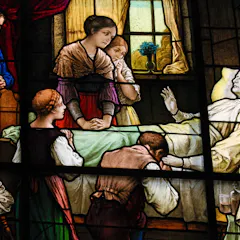
Rituals, such as keeping vigil, can help people when a loved one is near the end of their life.

In the final days of life, it may be too late to choose how you want to die, who you want to be cared by, and how you’d like your symptoms managed.

The story highlights complex barriers to support after a sudden death or suicide.

Everyone dies, so why are so many people still afraid to talk about it?

New findings show what the public really thinks about how we prioritise treatments at the end of people’s lives.
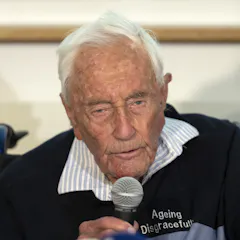
David Goodall had a good life and he wanted a good death, even though he wasn’t terminally ill. An end-of-life expert explains why he should have this right.

Excruciating pain at the end of life is extremely rare. The evidence shows pain and other symptoms, such as fatigue, insomnia and breathing issues, actually improve as people move closer to death.

The Victorian assisted dying laws are based on those in Oregon, which are quite conservative. Laws in the Netherlands, Belgium and Canada are more relaxed.

Here are five articles in The Conversation’s coverage leading up to the passing of Victoria’s assisted dying bill.
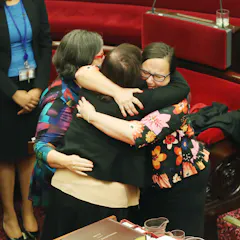
Doctors often overestimate the time a patient has left to live. In the case of Victoria’s assisted dying bill, an optimistic prediction could deny the patient the peaceful death they deserve.
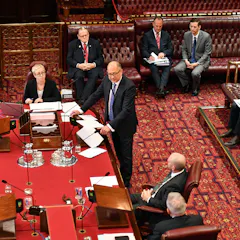
The NSW bill leaves significant questions unanswered, disquieting ethicists, lawyers and doctors.

The main arguments used by those who voted against assisted dying – including that the bill has insufficient safeguards – in Victoria’s upper house, deserve further scrutiny.

When a person has a serious illness, palliative care aims to improve that person’s quality of life.

The Victorian law provides if a child has made a valid advance directive including instructions to refuse a particular medical treatment, a health practitioner must not provide that treatment.

There are some myths about dying that perhaps unexpectedly harm the dying person and deserve scrutiny.
Top contributors
-

Distinguished Professor, Professor of End-of-Life Law and Regulation, Australian Centre for Health Law Research, Queensland University of Technology
-
Professor of Law, Australian Centre for Health Law Research, Queensland University of Technology
-
Senior Lecturer in Law, Australian Centre for Health Law Research, Queensland University of Technology
-
Postdoctoral Research Fellow, Australian Centre for Health Law Research, Queensland University of Technology
-
Associate Professor of Law, Bond University
-
Senior Lecturer in Social Science, University of Glasgow
-
Research Fellow, Australian Centre for Health Law Research, Queensland University of Technology
-
Professor, VCCC Chair of Palliative Medicine, The University of Melbourne
-
Adjunct professor in the School of Clinical Medicine, UNSW
-
Associate professor, Queensland University of Technology
-
Associate Professor, School of Law, University of Canberra
-
Research Fellow, Department of Medicine, The University of Melbourne
-
University of Nottingham Associate, University of Nottingham
-
Professor of Health Economics, Glasgow Caledonian University
-
Lecturer in Mental Health, The Open University