
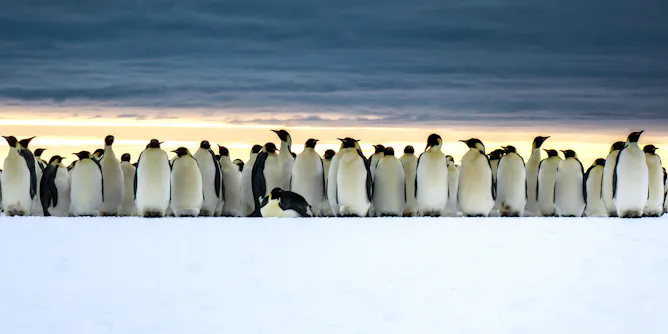
New satellite methods can track penguin colonies in winter – and can judge their health based on the colour of their guano.
Articles on Emperor penguins
Displaying all articles
The loss of iconic Antarctic wildlife is no longer a future possibility. It is happening in real-time, while we watch.
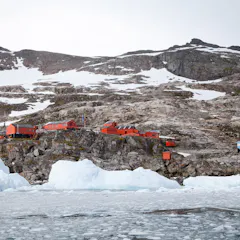
The proliferation of Antarctic research stations – 77 in all – is increasing knowledge of the continent but also the human impacts. A new study has identified the best ways to limit these impacts.
The first comprehensive assessment of trends in Southern Ocean ecosystems reveals an urgent need to address climate change. The summary for policymakers can guide decision-makers.
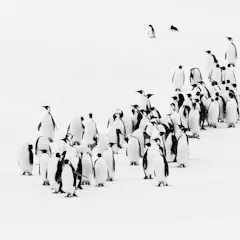
If we want to live in a world with Emperor penguins, we need to cut emissions steeply and protect parts of the ocean around Antarctica where climate change will have the biggest impact.
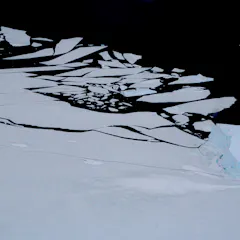
More trouble in Antarctica: the extent of frozen seawater fastened to the coast (called landfast ice) hit a record low in March 2022. If this trend persists, the consequences could be catastrophic.
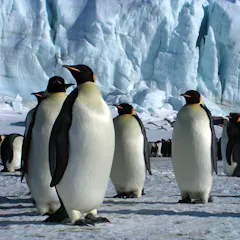
The species at risk include flowering plants, moss and lichens, tough invertebrates and breeding seabirds.
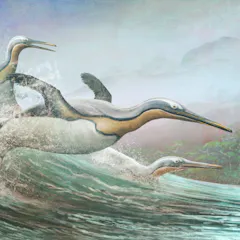
Some penguins would have been as tall (or even taller) than adults today.
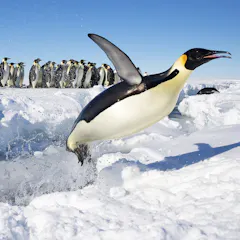
How did penguins end up with so few bones – and become lightning-fast swimmers?

Emperor penguins survive in a ‘Goldilocks zone’ between too much sea ice and too little. A new study shows the risk they face from climate change.

Emperor Penguins thrive in harsh conditions, but a new study shows that their fate depends on human action to slow global warming and associated loss of sea ice.
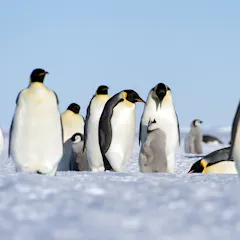
Emperor penguins have a few hidden tricks to stay warm, like blood vessels in the nose arranged so they can regain most of the heat that would be lost by breathing.
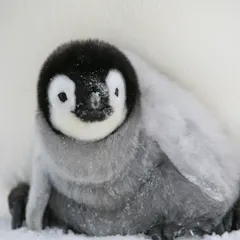
Emperor penguins are adapted to the bitter cold of Antarctica, but a new study reveals that during the last ice age it got too cold even for them.
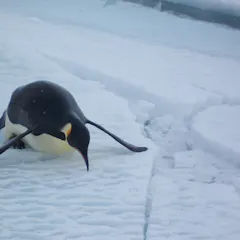
Emperor penguins have been spotted breeding on ice shelves for the first time, where previously they were thought only to breed on the much lower ice that floats on the ocean surface. It is not clear whether…
Top contributors
-

Senior Lecturer in Southern Ocean Vertebrate Ecology, Institute for Marine and Antarctic Studies, University of Tasmania
-
Associate Scientist, Woods Hole Oceanographic Institution
-
Senior Research Fellow in Antarctic and island conservation science, Queensland University of Technology
-
PhD candidate, University of Tasmania
-
Antarctic Marine Zooplankton Ecologist, University of Tasmania
-
Adviser, Antarctica and Marine Systems, Science & Policy, University of Tasmania
-
Associate Professor in Conservation Biology, University of Canterbury
-
Chercheuse en écologie polaire, Sorbonne Université
-
Transdisciplinary Researcher & Knowledge Broker, CSIRO
-
Fieldwork Coordinator/Research Technician, CSIRO
-
Quantitative Sea Ice Biogeochemist/Ecologist, University of Tasmania
-
Clinical Assistant Professor of Small Animal Clinical Sciences, University of Tennessee
-
Director Environmental Informatics Hub, Monash University
-
Senior Researcher in Antarctic Remote Sensing, University of Tasmania
-
Vertebrate palaeontologist, Flinders University