

With a little advance planning and creativity, librarians can help keep kids and teens busy and safe during emergencies.
Articles on Emergency planning
Displaying 21 - 40 of 43 articles
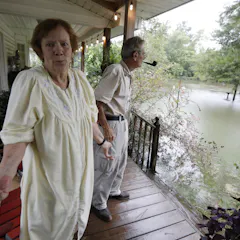
Evacuations and disruptions to health care during and after disasters like Hurricane Harvey are serious threats for older adults, who may need support well after relief operations end.
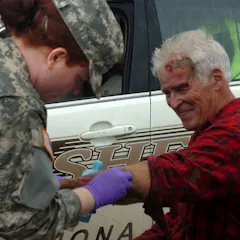
New research shows that older people are especially at risk during and after natural disasters, and may need medical help or other support well after relief operations end.
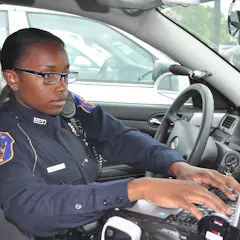
A new data management system can give emergency responders a fast lane on the internet to help speed rescue efforts after a disaster.

Irrespective of whether climate change contributed to the thunderstorm in Melbourne last week, we can be sure Australia’s climate projections herald new risks to health that cannot be ignored.
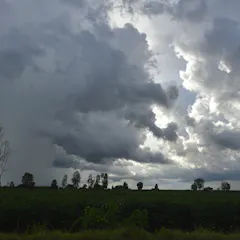
Melbourne’s recent thunderstorm asthma event caught services by surprise. So, is it time for a national health protection agency to coordinate our public health response?
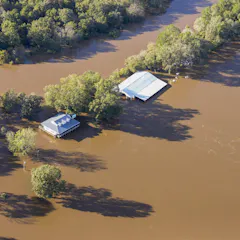
Why do some people evacuate ahead of disasters while others stay put? The rising death toll from Hurricane Matthew shows that often the poor and vulnerable are least able to move.
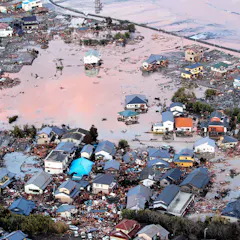
We can’t predict or prevent tsunamis you can improve your chances of staying safe by understanding the risk, being prepared and acting quickly when disaster strikes.

The solution to emergency communications: redundancy, redundancy, redundancy.
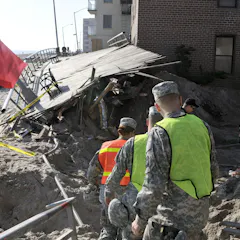
As Atlantic hurricane season opens on June 1, eastern U.S. cities can prepare by updating laws, codes and ordinances that hamper rebuilding after storms.
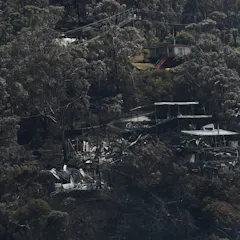
The Christmas Day fires that struck the Victorian town of Wye River are an example of how to get emergency responses right.
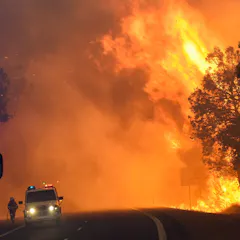
Why do people still die in bushfires? Recent fires have triggered a debate about emergency warnings.
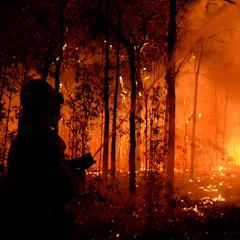
When disaster strikes, more people than ever are turning to social media to find out if they’re in danger. But Australian emergency services need to work together more to learn what works to save lives.

Papua New Guinea is now facing a drought and frosts that look set to be worse than 1997, when hundreds of people died. So how can memories of 1997 save lives over the next few months?
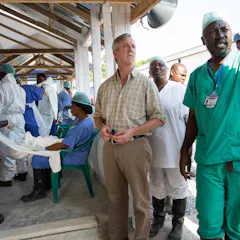
Mathematicians are a secret weapon when it comes to preparing for outbreaks of diseases like Ebola.
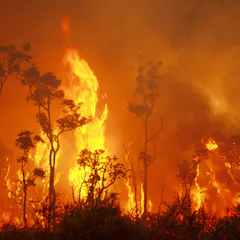
Bushfires can be deadly and destroy homes and properties. But knowing where they are likely to spread next can help emergency services.
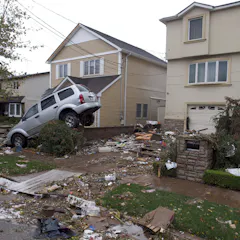
You may think your social media friends are only good for keeping you up with all the latest gossip and trends but research published today has found they can also help save you in the event of any natural…
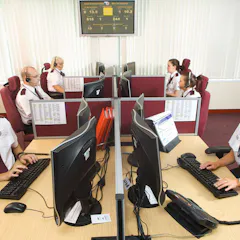
On November 22, the national police non-emergency 101 and the NHS 111 services suffered disruption as a result of a technical fault in the Vodafone national network. This meant that people wishing to report…
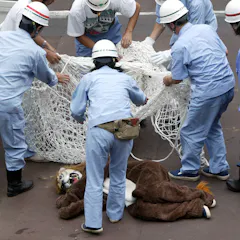
You need only look at the papers or television news to see the reports. Infectious disease outbreaks, weather emergencies and disasters both natural and man-made. They’re all not just threats to human…
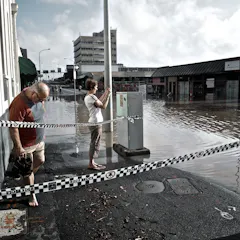
Given the popularity of Facebook and Twitter, it’s not surprising so many people use social media in crises such as floods, fires and earthquakes. Facebook has introduced Safety Check, a new tool for users…
Top contributors
-

Assistant Professor of Nursing, University of Michigan
-
Associate Professor of Disaster and Emergency Management, York University, Canada
-
Clinical Instructor of Veterinary Clinical Medicine, University of Illinois Urbana-Champaign
-
Research scientist, CSIRO
-
Scientia Professor, Faculty of Medicine and Health, UNSW
-
Senior Researcher, CSIRO
-
Associate Professor, Macquarie University
-
Director, CSIRO Digital Productivity and Services Flagship, CSIRO
-
Research Team Leader, Bushfire Behaviour and Risks, CSIRO
-
Associate Lecturer in Climate Change and Health, The University of Melbourne
-
Professor, Digital Media Research Centre, Queensland University of Technology
-
Professor of Geophysics and Department Head, Colorado State University
-
Researcher, CSIRO
-
Seth Bonder Collegiate Professor of Engineering, University of Michigan
-
Professor, Aged Care Medical Research Australian Centre for Evidence Based Aged Care, La Trobe University