
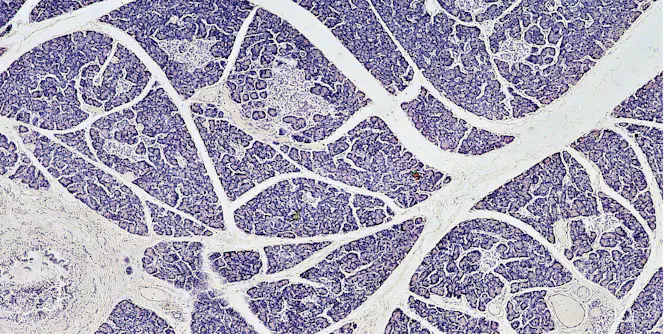
Type 1 diabetes develops when the body destroys its own insulin-producing cells. Using stem cells to replace them could be a way to get around donor shortages and transplant complications.
Articles on Stem cell transplant
Displaying all articles
Growing cells we can use to produce blood is key to life-saving therapies after cancer treatment – this device has taken us a step closer.
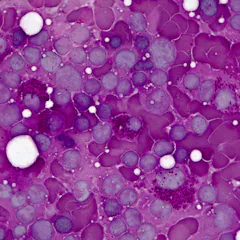
Patients with blood cancer undergoing stem cell transplantation have a high risk of complications. The bacteria in their gut, however, can help their immune system recover and fight infections.
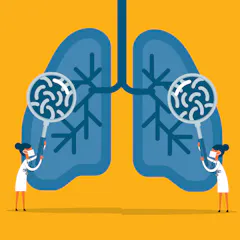
Disruptions to the lung microbiome are linked to a number of respiratory conditions in both children and adults.
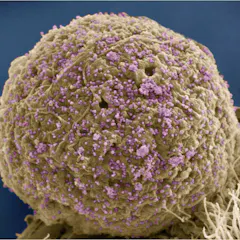
Headlines around the world declared that a second person was cured of their HIV. But while the results are encouraging, we’re a long way from a cure.

A new type of stem cell therapy for MS seems effective, but the side effects can be catastrophic.
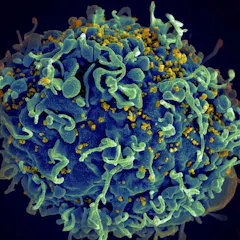
HIV research continues to search for a cure. The focus is on developing therapies to cure HIV infection or allow people with HIV to safely stop antiretroviral therapy and keep the virus under control.
Top contributors
-

Postdoctoral Fellow, Biomedical Engineering, UNSW
-
Associate Professor, Biomedical Engineering, UNSW
-
Clinical Research Fellow, The Peter Doherty Institute for Infection and Immunity
-
Lecturer in Biomedical Sciences, Cardiff Metropolitan University
-
Melbourne Laureate Professor, University of Melbourne; Director, The Peter Doherty Institute for Infection and Immunity
-
Assistant Professor of Pediatrics, University of California, San Francisco
-
Assistant Professor of Medical Oncology, School of Medicine, University of Washington
-
Assistant Professor of Nursing, University of Michigan
-
Research Scientist in Endocrinology and Metabolism, University of Pittsburgh