
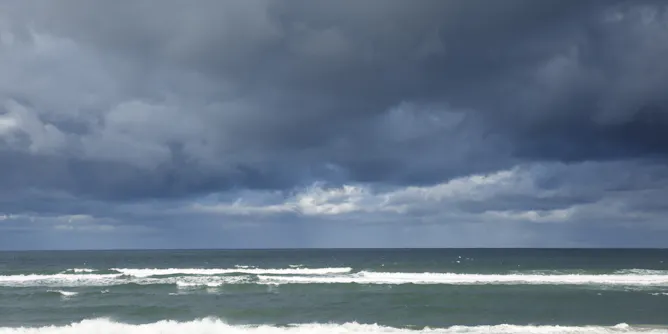
With research that offers new insights, there is increased hope for improved climate predictions and better preparation for severe weather conditions.
Articles on El Nino
Displaying 141 - 160 of 258 articles
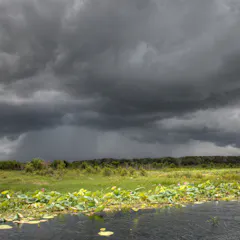
Mosquitoes love the wetter weather La Niña brings to some parts of Australia. But will we see more mosquito-borne disease?
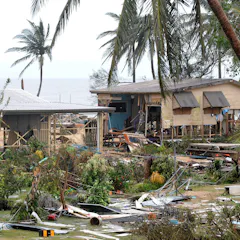
A new statistical model predicts the number of tropical cyclones up to four months before the start of the season from November to April.
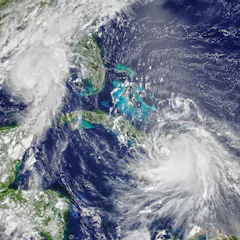
It’s only happened twice since naming started in 1950, and there’s an unusual twist to where many of the storms formed this year.
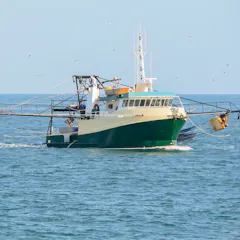
An El Niño event in 2015-16 led to the lowest ever catch in redlegs. Fisheries must work with research to climate-proof their management.
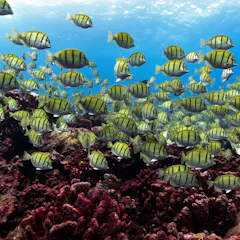
Reef fish vanish during marine heat waves, but may bounce back quickly on reefs that have few other environmental stressors.
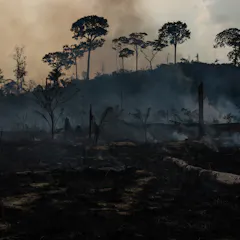
A new study finds 70% of Amazonian dung beetles were killed by the severe fire and droughts of 2015 to 2016. By spreading seeds and poop, dung beetles fertilize forests and aid regrowth of vegetation.
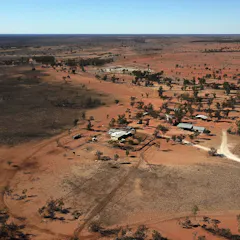
The absence of climate drivers – specifically, the Indian Ocean Dipole and La Niña – explains why Australia has gone so long without heavy rains.
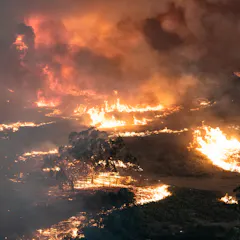
The latest bushfires cannot be compared to Ash Wednesday or Black Saturday. Our nation’s fire history is being rewritten.
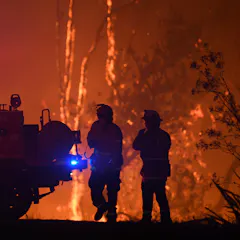
The Bureau of Meterology says persistent drought and record temperatures were a major driver of Australia’s fire activity, and the context for 2019 lies in the past three years of drought.
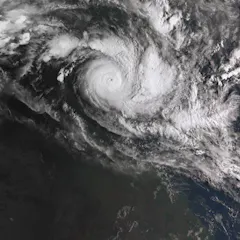
Southern and eastern Australia need to prepare for heatwaves and increased fire risk this summer, as forecasts predict hot, dry weather.
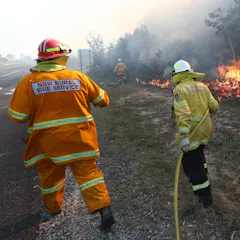
Bureau of Meteorology researchers painstakingly analysed more than 40 years of data to work out exactly what is causing Australia’s spring bushfire phenomenon.

There have been some positive strides made in getting smallholders involved in digital agriculture in Africa

El Niño events can affect millions of people around the world, causing drought in Australia and floods in the Americas.
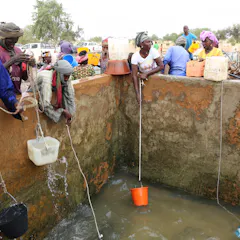
A combination of reasons have led to the drying of the Sahel.

Canada’s Food Price Report, recently published by Dalhousie University and the University of Guelph, predicts significant price hikes for vegetables this year.
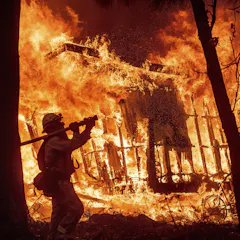
With the dire consequences of climate change looming, archaeologists recognize the importance of communicating their findings on ancient landscapes and the threats that face vulnerable populations.
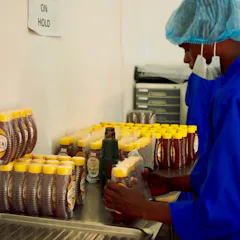
Water and power cuts prompted by reduced rainfall and drought in Southern Africa have caused major problems for business.

The summer forecast from the Bureau of Meteorology predicts a hot, dry summer.

The forecast arrival of El Niño may mean the east coast of Australia will experience an exceptionally hot and dry summer, but does this mean there will be fewer mosquitoes buzzing about?
Top contributors
-

ARC Future Fellow and Associate Professor in Climate Science, ARC Centre of Excellence for 21st Century Weather, The University of Melbourne
-
Adjunct Professor (Practice) in the School of Earth, Atmosphere and Environment, Monash University
-
Senior Research Associate, UNSW
-
Senior Climatologist, Australian Bureau of Meteorology
-
Postdoctoral Research Fellow in Atmospheric Sciences, The University of Melbourne
-
Distinguished Scholar, National Center for Atmospheric Research; Affiliate Faculty, University of Auckland, Waipapa Taumata Rau
-
Chief Research Scientist, Oceans and Atmosphere, CSIRO, CSIRO
-
Principal Research Scientist, CSIRO
-
Climate Scientist, Australian Bureau of Meteorology
-
Climate scientist, Australian Bureau of Meteorology
-
Lecturer, School of Agriculture, Food and Ecosystem Sciences, The University of Melbourne
-
Director of the ARC Centre of Excellence for Our Future Oceans and Scientia Professor in Oceanography, UNSW
-
Lecturer, Climate Science Geography, The University of Melbourne
-
Director of the Climate Hazards Center, University of California, Santa Barbara
-
Senior Research Scientist, CSIRO