
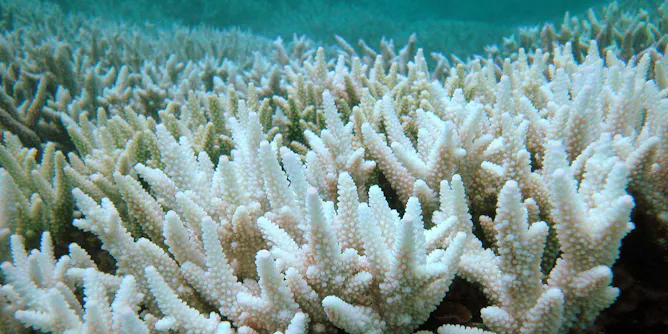
Authorities have moved the Great Barrier Reef onto its highest alert level in response to widespread coral bleaching. Months of monitoring will now be needed to assess the ongoing damage.
Articles on El Nino
Displaying 201 - 220 of 259 articles
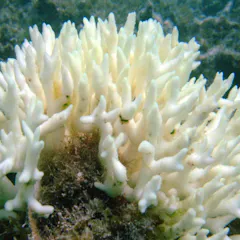
Right on cue, coral bleaching has struck the Great Barrier Reef, as the world’s third mass bleaching event continues.
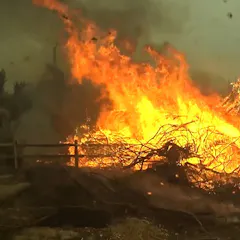
February 2016 was the hottest month by the biggest margin ever. Does that mean global warming has gone into hyperdrive?
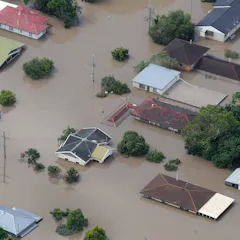
Since 1999, Australia has swung between drought and deluge with surprising speed, because El Niño has fallen into sync with similar patterns in the Indian and Southern Oceans.
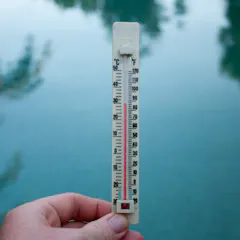
Record-breaking years have been almost impossible without human-caused climate change.
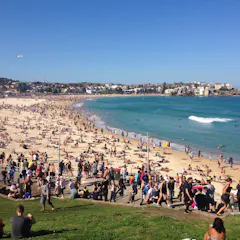
Sydney is in the process of smashing the record for the longest run of days above 26°C. Weather, El Nino and climate change are all playing their part.
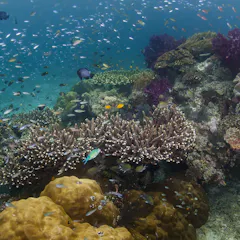
Marine scientists have been accused of being biased towards ‘doom and gloom’. But it’s not bias if the outlook for coral reefs really is gloomy.
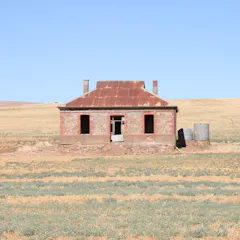
Australia is the land of drought of flooding rains, driven by events such as El Nino. But despite this variability, some parts of Australia are clearly drying out.

The Great Barrier Reef might get all the attention, but what about our western coral reefs? Warmer waters and human impacts mean these reefs are in trouble.
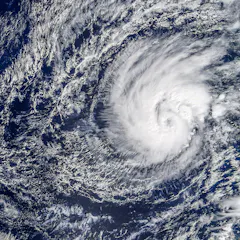
January hurricanes are rare events, but two have already formed this month. Atmospheric scientist Adam Sobel explains the conditions that generated Pali and Alex.
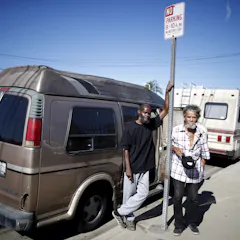
Field research in Oakland highlights a major issue that Americans have yet to face up to: how to deal with growing numbers of homeless older people in our streets.
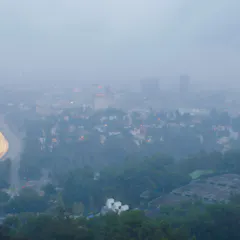
The flood-control infrastructure built to weather heavy rains in Los Angeles sends runoff to sea – a poor design for drought-worried California.
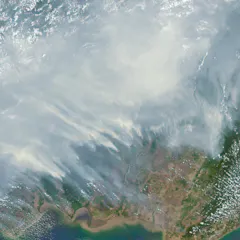
The third-ever ‘super’ El Niño is under way. Here’s how it will affect your region in the US and how global warming affects this and future El Niños.
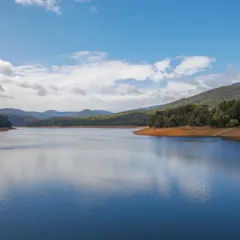
The Millennium Drought ended more than five years ago, but several years of below-average rainfall and El Niño have brought drought back to many parts of Australia. Our latest report on water in Australia shows rainfall is continuing to decline in eastern Australia and increase in the north.
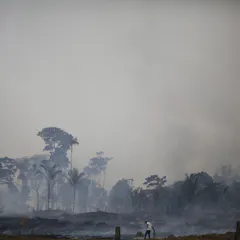
Indonesia’s haze made global headlines but an intense dry season has also sparked major fires in Brazil.
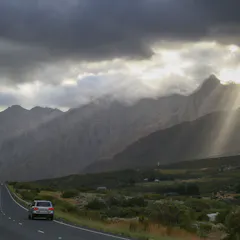
South Africa has been experiencing odd weather patterns during the month of November. It can be attributed to three culprits.
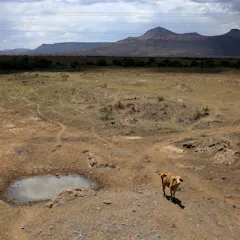
The water crisis in South Africa could have been avoided through better planning.
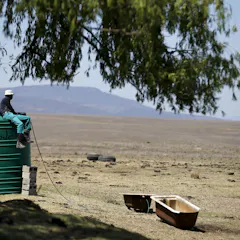
The current drought in southern Africa is as a result of a powerful El Niño event. Better planning and forecasting could help mitigate the effects.
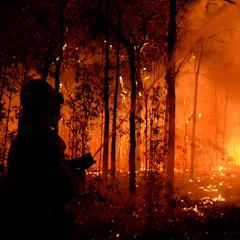
When disaster strikes, more people than ever are turning to social media to find out if they’re in danger. But Australian emergency services need to work together more to learn what works to save lives.
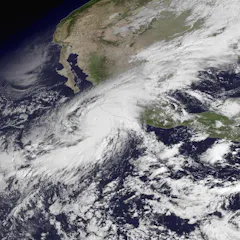
False complacency: Hurricane Patricia didn’t devastate Mexico as feared, but provides more evidence that warming waters raise the chances of more intense storms.
Top contributors
-

ARC Future Fellow and Associate Professor in Climate Science, ARC Centre of Excellence for 21st Century Weather, The University of Melbourne
-
Adjunct Professor (Practice) in the School of Earth, Atmosphere and Environment, Monash University
-
Senior Research Associate, UNSW
-
Senior Climatologist, Australian Bureau of Meteorology
-
Postdoctoral Research Fellow in Atmospheric Sciences, The University of Melbourne
-
Distinguished Scholar, National Center for Atmospheric Research; Affiliate Faculty, University of Auckland, Waipapa Taumata Rau
-
Chief Research Scientist, Oceans and Atmosphere, CSIRO, CSIRO
-
Principal Research Scientist, CSIRO
-
Climate Scientist, Australian Bureau of Meteorology
-
Climate scientist, Australian Bureau of Meteorology
-
Lecturer, School of Agriculture, Food and Ecosystem Sciences, The University of Melbourne
-
Director of the ARC Centre of Excellence for Our Future Oceans and Scientia Professor in Oceanography, UNSW
-
Lecturer, Climate Science Geography, The University of Melbourne
-
Director of the Climate Hazards Center, University of California, Santa Barbara
-
Senior Research Scientist, CSIRO