
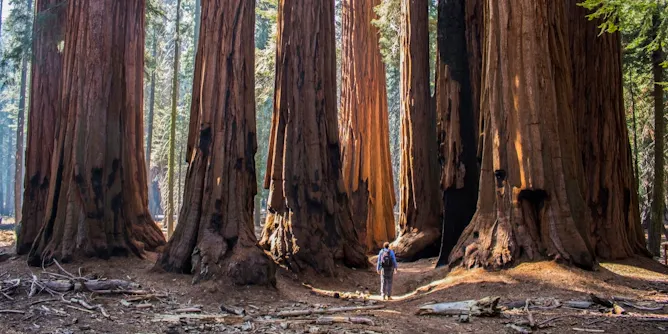
The curator at UC Merced describes the evacuation and shows a selection of photographs from the 110-year history of the park.
Articles on Ecology
Displaying 281 - 300 of 538 articles
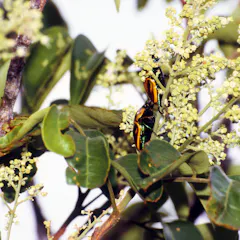
In the Amazon, beetles and flowering trees have developed a tight bond. Hundreds of beetle species thrive off of and pollinate blossoms, helping to maintain some of the highest biodiversity on Earth.
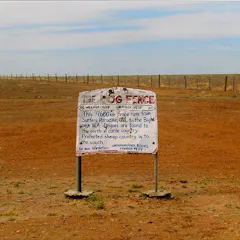
Millions of miles of fences crisscross the Earth’s surface. They divide ecosystems and affect wild species in ways that often are harmful, but are virtually unstudied.
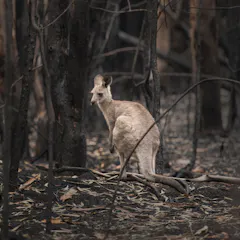
Humans have caused ecosystems to collapse on purpose for millennia, to grow food or build settlements. But unplanned collapses are a different matter.
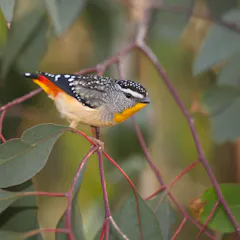
Pardalotes are quintessentially Australian birds, industrious, beautiful and strange. They have adapted to our environment but we are corroding the places in which they live.
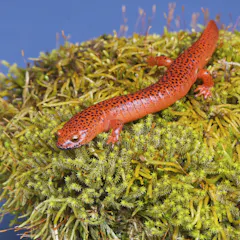
The Bsal fungus is not yet here in North America, or any place in the Western Hemisphere, but there is concern that the pet trade is the most likely route for introduction here.
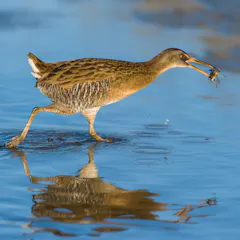
Birds found along the Gulf Coast have evolved to ride out hurricanes and tropical storms. But with development degrading the marshes where they live, it’s getting harder for them to bounce back.
Healthy seagrasses form underwater meadows teeming with fish and shellfish. A successful large-scale restoration project in Virginia could become a model for reseeding damaged seagrass beds worldwide.
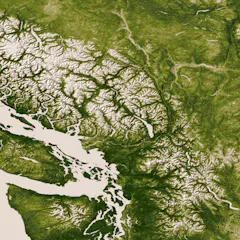
Local adaptation allows plants and animals to thrive in a diversity of places. Sometimes adaptation sharpens patterns of where organisms live, but 85% of the time, it creates a more homogeneous world.
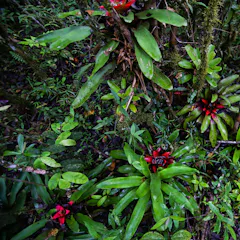
The effect of a warmer climate on ecosystems and large and small vertebrates is being widely studied. But warmer temperatures seem to alter the microbes that live in and on these animals and plants.

We studied a rocky shore to see how global changes are playing out within habitats.
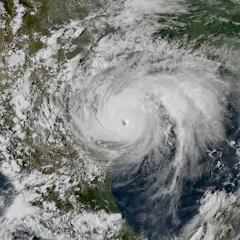
Hurricane Harvey destroyed the fishing infrastructure of Aransas Bay and reduced fishing by 80% over the following year. This removed humans from the trophic cascade and whole food webs changed.

Recent reports of dramatic declines in insect populations have sparked concern about an ‘insect apocalypse.’ But a new analysis of data from sites across North America suggests the case isn’t proven.
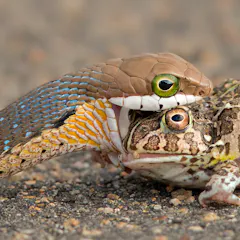
Social media has proved to be a helpful source of observations of snakes feeding. Knowing more about their diet is useful because it’s linked to their venom biochemistry.
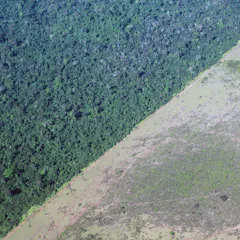
A new study estimates that $22 billion to $30 billion dollars per year needs to be spent to maintain forests and reduce the likelihood of a pathogen jumping from wildlife to humans.
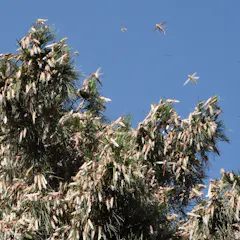
Gene drive guarantees that a trait will be passed to the next generation. But should society use this tool to control insect populations?
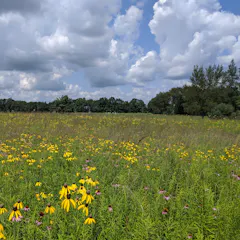
Restoring former prairies that have been plowed under for farming delivers land, wildlife and climate benefits. But a new study finds that the weather plays a surprising role.
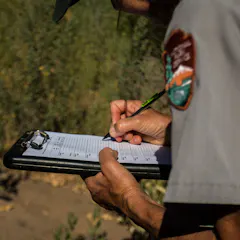
The COVID-19 pandemic is interrupting scientific field work across North America, leaving blank spots in important data sets and making it harder to track ecological change.
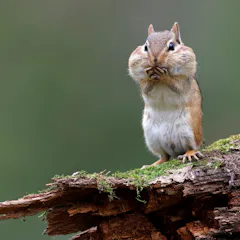
Squirrels and chipmunks are distant cousins who have grown a little more apart from each other over millions of years.

With colleges and universities having moved their instruction online due to COVID-19, an ecologist shows how service learning can take place in the virtual world as well.
Top contributors
-

Matthew Flinders Professor of Global Ecology and Node Leader in the ARC Centre of Excellence for Indigenous and Environmental Histories and Futures, Flinders University
-
Professor of Conservation Biology, School of Life and Environmental Sciences, University of Sydney
-
Associate Professor in Entomology, University of Sydney
-
Professor in Wildlife Ecology and Conservation, School of Life & Environmental Sciences, Deakin University
-
Lecturer in the School of Applied Sciences, Edinburgh Napier University
-
Professor in Ecology, Charles Sturt University
-
Senior Research Scientist of Ecology and Evolutionary Biology, University of Connecticut
-
Associate Professor, Ecology, Northumbria University, Newcastle
-
Professor of Biology, Boston University
-
Associate Professor of Wildlife Ecology, University of Florida
-
Assistant Professor of Ecology and Evolutionary Biology, University of Connecticut
-
Professor of Sustainability, Azim Premji University
-
Emeritus Professor of Ecology, University of Salford
-
Professor of Pyrogeography and Fire Science, University of Tasmania
-
Postdoctoral Researcher in Mycology, West Virginia University