
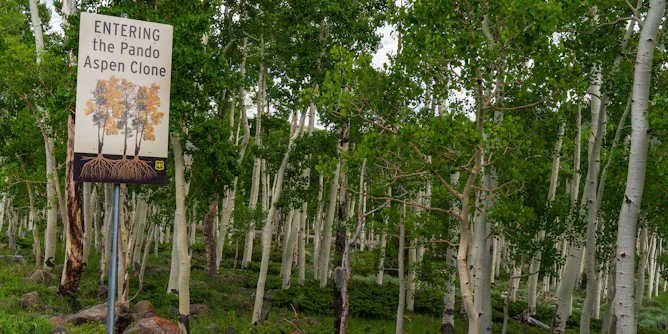
These 47,000 aspen trees are genetically identical clones with shared roots.
Articles on Ecology
Displaying 241 - 260 of 538 articles

There is a promising trend of growing research and training in statistical ecology in Africa.

Applying the principles of ecology and evolution could help oncologists anticipate cancer drug resistance and optimize their treatment plans for patients.

To combat global warming we need to use atmospheric greenhouse gas observations to keep track of emissions.
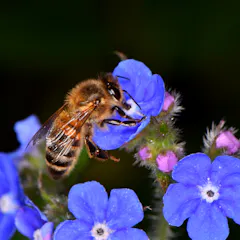
Many living organisms generate and even detect static electricity in their natural environments. We must understand more to ensure we don’t disturb these delicate processes.

The scientists who discovered that a giant panda’s distinctive markings provide camouflage from predators tell us about their latest work
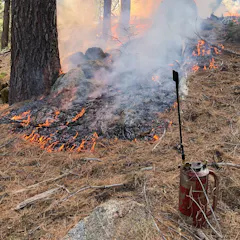
Two forest researchers whose own communities were threatened by fires in 2021 explain how historic policies left forests at high risk of megafires.

The Blob, a long-lasting mass of warm water, sat off the Pacific coast of North America for years, bringing new species to formerly cold waters. What allows some to survive while others fade away?
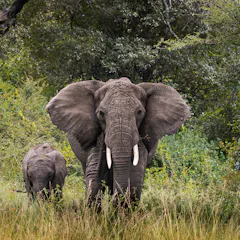
It sounds like a mammoth plan, but bringing back large herbivore species to Europe could help mitigate ecosystem collapse.

Rivers are among the most embattled ecosystems on Earth. Researchers are testing a new, inexpensive way to study river health by using eDNA to count the species that rivers harbor.
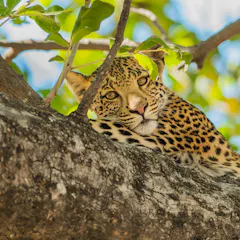
Recent sighting of a leopard in the Campo-Ma’an National Park area of Southern Cameroon shows the importance of conservation efforts.

‘Shape shifting’ animals are evolving to deal with heat – by changing the size of their ears, tails, bills and other appendages.
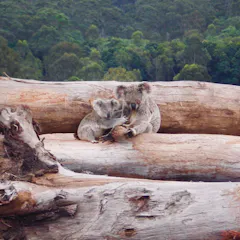
The push for a new environmental crime has attracted high-profile backers including French President Emmanuel Macron, Pope Francis and Greta Thunberg. But we must get the details right.

The increasing prevalence of white LED streetlamps spells worrying population declines for insects like moths.
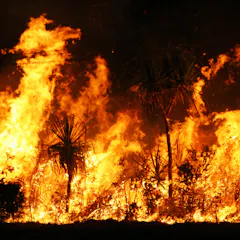
Studies show some animals can recognise the threat of fire, and behave in a way that increase their chance of survival. But what about wildlife who have evolved in areas where fire was once rare?

For conservationists and the government, religion and culture could serve to discourage the overharvesting of bushmeat from the wild

Ecology is dominated by colonial notions and knowledge that doesn’t consider local knowledge. This needs to change.
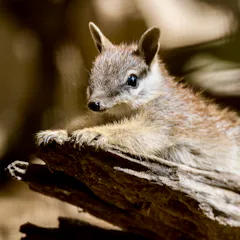
Given the scale of the problem, five years was never enough time to turn things around. Clearly, we must reflect honestly on our successes and failures so far.

Generic urban landscape design is damaging for people and nature: an ecomimicry approach instead encourages nature to flourish even in cities.
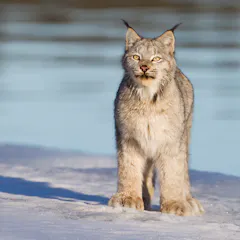
Audio recordings of the secret lives of the Canada lynx demonstrate the value of technology in monitoring wildlife.
Top contributors
-

Matthew Flinders Professor of Global Ecology and Node Leader in the ARC Centre of Excellence for Indigenous and Environmental Histories and Futures, Flinders University
-
Professor of Conservation Biology, School of Life and Environmental Sciences, University of Sydney
-
Associate Professor in Entomology, University of Sydney
-
Professor in Wildlife Ecology and Conservation, School of Life & Environmental Sciences, Deakin University
-
Lecturer in the School of Applied Sciences, Edinburgh Napier University
-
Professor in Ecology, Charles Sturt University
-
Senior Research Scientist of Ecology and Evolutionary Biology, University of Connecticut
-
Associate Professor, Ecology, Northumbria University, Newcastle
-
Professor of Biology, Boston University
-
Associate Professor of Wildlife Ecology, University of Florida
-
Assistant Professor of Ecology and Evolutionary Biology, University of Connecticut
-
Professor of Sustainability, Azim Premji University
-
Emeritus Professor of Ecology, University of Salford
-
Professor of Pyrogeography and Fire Science, University of Tasmania
-
Postdoctoral Researcher in Mycology, West Virginia University