
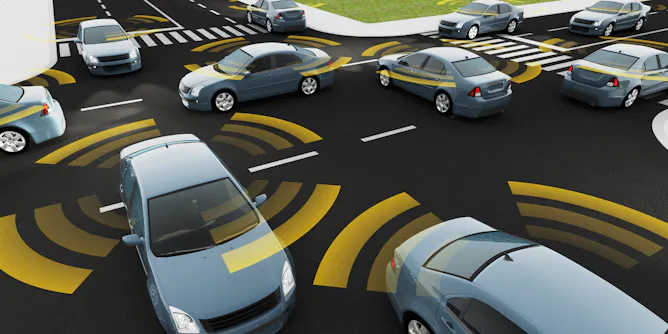
Driverless cars are the future, right? Wait. While things would be simple if our roads were 100% driverless, getting there is anything but. And planning for roads shared by robots and humans is hard.
Articles on Driverless cars
Displaying 101 - 120 of 140 articles

Improved autonomous vehicle technology could reduce the tens of thousands of annual U.S. deaths due to human error behind the wheel. Are driverless cars the next big public health intervention?
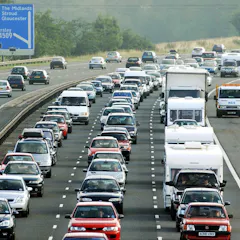
If computers ruled the roads, we might be out of a jam.
It’s a race that’s pitting the motor industry against tech giants and even the ridesharing company Uber. But what will be the impact when driverless cars take to the roads?

Doing favours is a basic feature of human society – but can robots join in?
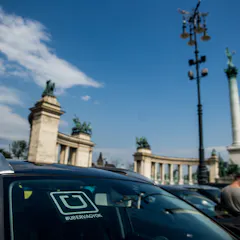
Uber’s introduction of driverless cars is a big change for the company but the changes it has brought to the world of work are here to stay.
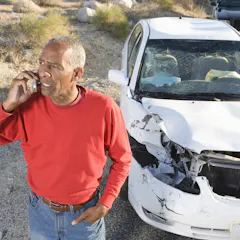
Self-driving technology could change the way the insurance industry works, with carmakers on the hook.
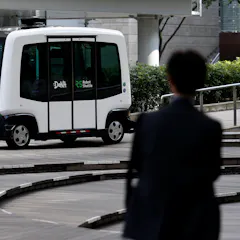
New technologies do not exist in a vacuum. To succeed, new transport technology needs to match the ways we want to move around cities and be accommodated by laws and regulations.
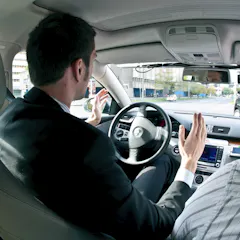
The likes of Tesla’s autopilot technology isn’t meant for you to take your eyes off the road – there could be fatal consequences if you do.
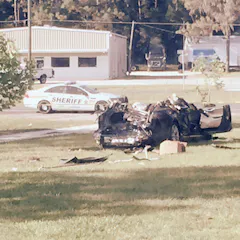
Two Tesla cars running on autopilot have crashed this year, and one driver was killed. It raises the question of whether the company’s autonomous driving system is safe for our roads.

The navigation tactics of certain Australian ants could point the way to helping driverless cars find their way around.
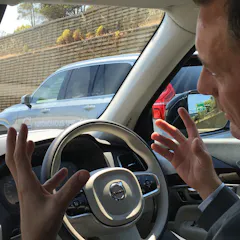
Although they think it’s ‘more moral,’ most people would not buy a driverless car programmed to make choices for the greater good.
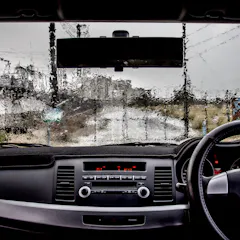
Driverless cars are the technology of the future, but unless they learn how to drive in rain and snow, they will be a technology that lets us down when we need it the most.
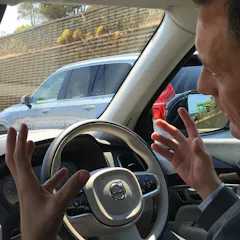
Can software really be considered the “driver” of an autonomous vehicle? This is one question that needs to be resolved before driveless cars can hit the roads.
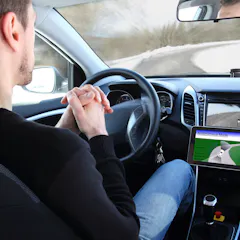
Why driverless cars won’t let us take our eyes off the road just yet.
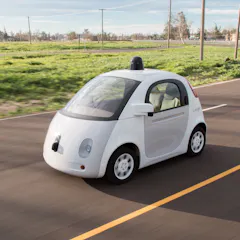
Self-driving cars are way more energy efficient than your average vehicle – but that doesn’t necessarily mean they’ll reduce carbon emissions.
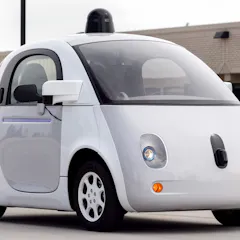
The search goliath has spent over $5bn on everything from driverless cars to smart contact lenses in the past three years. The UK tax hounds must be delighted.
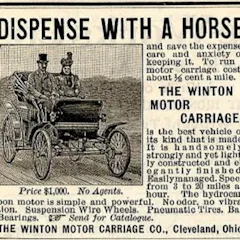
Five million people work in the U.S. transportation sector. It’s unclear where they’ll end up as driverless technology takes off.
Driverless cars and the use of drones are just two things the Innovation Statement should address.
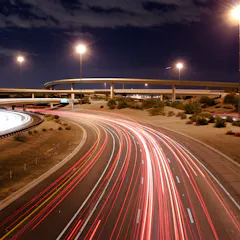
Self-driving cars may not be the solution to all our transport woes. Better to focus on public transport.
Top contributors
-

Professor, Director of the Centre for Robotics, Queensland University of Technology
-
Associate Professor, Human Systems Labs, University of Windsor
-
Honorary Professor of Planning, The University of Queensland
-
Professor of Sustainability, Curtin University
-
Professor in Robotics, Queensland University of Technology
-
Professor of Advanced Technology Transitions, Arizona State University
-
Senior Research Scientist, Texas A&M Transportation Institute, Texas A&M University
-
Associate Professor in Urban Planning, The University of Queensland
-
Director, Assuring Autonomy International Programme, University of York
-
Honorary Professor of Transport Studies
-
Associate Professor, University of Leeds
-
Professor of Transport Technology and Sustainability, Swinburne University of Technology
-
Professor of Human Geography, The University of Queensland
-
Associate Professor in Urban Planning, The University of Melbourne
-
Professor of Systems Security, Coventry University