
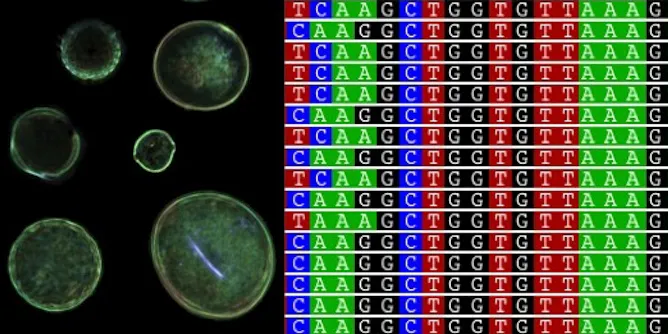
Pollen is all around us, is extremely durable and can provide clues about where someone’s been. A new genetic technique will make it easier to use pollen evidence in criminal investigations.
Articles on DNA sequencing
Displaying 41 - 60 of 60 articles
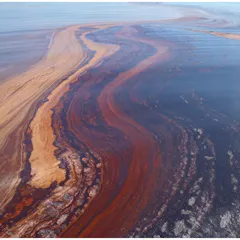
Genetic analysis shows that marine bacteria broke down much of the oil from the 2010 Deepwater Horizon spill. These findings could lead to more effective cleanups after future spills.

Big Data produces mountains of information, but it’s useless for science unless we’re asking the right questions.
Modern biological research relies on big data analytics. Vast reservoirs of memory and powerful computing ability mean machines find patterns and make meta-analyses and even predictions for scientists.
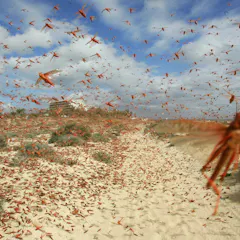
Genetic techniques are helping scientists work out how to stop invasive species before they rack up huge environmental and financial costs.
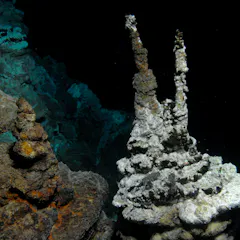
Microbe can explain how ancient ancestors of simple cells like bacteria evolved into the complex cells that make up humans.
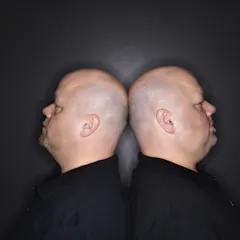
DNA profiling is a powerful tool, but being faced with identical DNA from identical genes has been a problem - until now.
Genomics is increasingly hailed by many as the turning point in modern medicine. Advances in technology now mean we’re able to make out the full DNA sequence of an organism and decipher its entire hereditary…
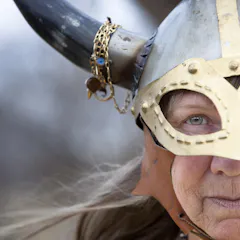
The traditional picture of Vikings is one of boatloads of hairy men pillaging their way along the coasts of Europe. Though true to some degree, this stereotype has more recently been tempered with the…
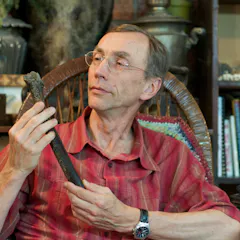
When a human bone was found on a gravelly riverbank by a bone-carver who was searching for mammoth ivory, little did he know it would provide the oldest modern-human genome yet sequenced. The anatomically…
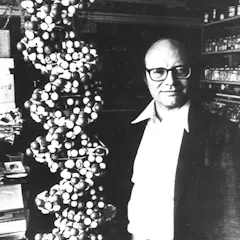
Walter Gilbert won the Nobel Prize in 1980 in Chemistry for his contribution to sequence DNA, or “determination of base sequences in a nucleic acid”. Mohit Kumar Jolly, researcher at Rice University and…
Mycologists – scientists who study fungi – estimate there are up to five million species of fungi on Earth. Of these, only about 2%, or 100,000 species, have been formally described. So where are the other…
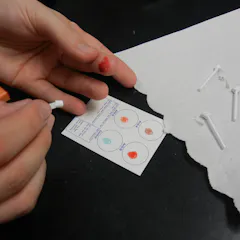
If you believe this article from Collective Evolution, a site that claims to be “one of the worlds most popular alternative media company”, there is currently DNA from genetically modified plants floating…
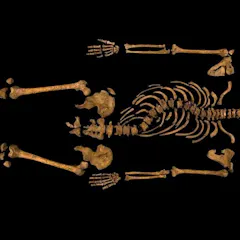
Genomes from the 500-year-old remains of King Richard III and a direct living descendant are to be sequenced by scientists, which could reveal more about the life of the last king to be killed in battle…

Frederick Sanger, who died recently at the age of 95, won two Nobel prizes in chemistry for his methods for sequencing proteins and DNA. Proteins were of more direct interest to many people because many…

You were formed from a single cell. To build you, and then keep you alive, the DNA in your cells needs to undergo replication every day to duplicate your chromosomes before cell division. Decades of research…
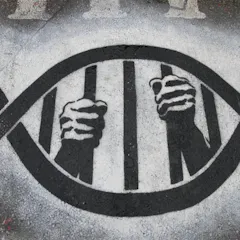
The market for personal genome services is facing a reality check. While the most prominent and innovative company 23andMe has flourished so far, in the past few years many of its competitors have gone…
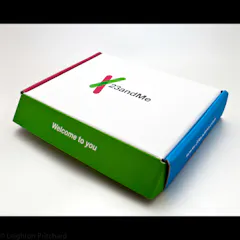
Genetic testing is a powerful tool. Two years ago, with the help of my colleagues, it was this tool that helped us identify a new disease. The disease, called Ogden Syndrome, caused the death of a four-month…
The storage of ancient DNA in amber fossils, famously brought to life in the film Jurassic Park, now appears highly unlikely…
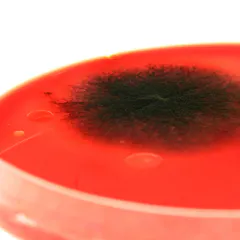
Some recent headlines from Australian newspapers: NSW hospitals worst place for Golden Staph; CA-MRSA - the killer in our midst; Superbug onslaught. By now, most people are aware that antibiotic-resistant…
Top contributors
-

Postdoctoral researcher in genetics, University of Leicester
-
Adjunct Research Scientist in Marine Bioscience, University of Florida
-
Jenny Graves is a Friend of The Conversation.
Distinguished Professor of Genetics and Vice Chancellor's Fellow, La Trobe University
-
Research scientist, CSIRO
-
Researcher, Centre for the Study of Legacies of British Slave-Ownership, UCL
-
Associate Member, Fred Hutchinson Cancer Research Center and Affiliate Associate Professor of Genome Sciences and Microbiology, University of Washington
-
Professor and Deputy Research Division Leader (Organisms and Environment), Cardiff University
-
Associate Professor of Forensic Science, Murdoch University
-
Junior research fellow in virus evolution, University of Oxford
-
Senior Lecturer in Forensic Genetics, University of Huddersfield
-
Researcher in Biology, University of York
-
Research Fellow, National Institutes of Health
-
Associate professor, Università del Piemonte Orientale
-
Lecturer in Genetics and Archeology, University of Leicester
-
Professor, UCL