
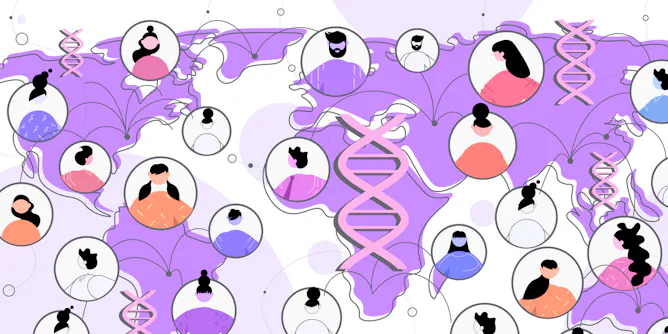
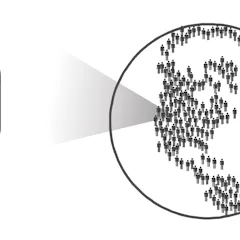
Existing genetic data and sequencing tools are overwhelmingly based on people of European ancestry, which excludes much of the rich genetic variation of the world.
Articles on DNA sequencing
Displaying 21 - 40 of 60 articles

Plant breeding, informed by genetic analysis, could be critical to the future of one of the world’s oldest crops.

Advances in technology have enabled researchers to sequence the large regions of repetitive DNA that eluded the Human Genome Project.
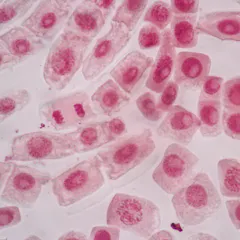
The monumental Earth Biogenome Project has galvanised hundreds of geneticists and bioinformaticists from all over the world.
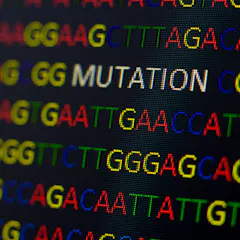
DNA sequencing has allowed researchers to catch new COVID-19 variants hours after receiving the first positive test sample.

DNA has been storing vast amounts of biological information for billions of years. Researchers are working to harness DNA for archiving data. A new method uses light to simplify the process.
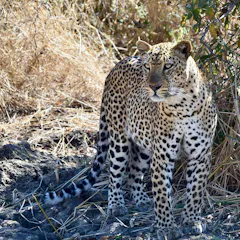
We studied the genomes of African and Asian leopards using specimens from natural history museums.
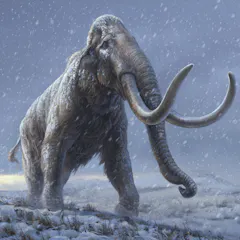
Our results have revolutionised the previously held view of the evolution of mammoths.
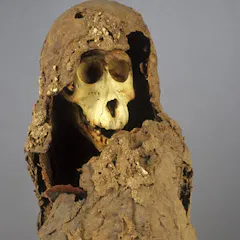
The DNA of microbes and food trapped in the teeth can reveal information about diet and health.
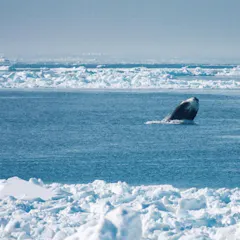
New research is uncovering that whales have their own distinct microbiomes that may play important roles in animal health. But how do scientists study whale microbiomes?

Developments in mitochondrial DNA sequencing are returning South Africa’s slavery heritage to view.
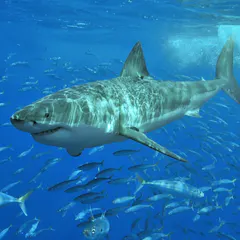
Why do scientists spend so much time and money mapping the DNA of species like white sharks? Single studies may offer insights, but the real payoff comes in comparing many species to each other.
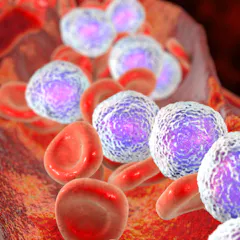
Seeing cancer in ‘high-resolution’ could improve personalised medicine.
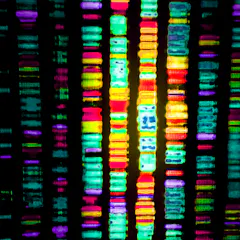
The chances of your genetic data being recorded by the state depend on who you are.

Nanotechnology isn’t science fiction – you can find it in the latest TV screens, solar cells and tennis rackets.

You should be aware of the amount of genetic information you might disclose in a research study – and what the benefits and risks will be.
Some animals seem to have missing genes – but the reality is a lot more intriguing.
Massive online DNA databases can be used as a resource to discover viruses – even if the data had not been explicitly collected for that purpose.
New genetic technologies are letting us look at flu evolution right where it starts: within individual people, while they’re sick.
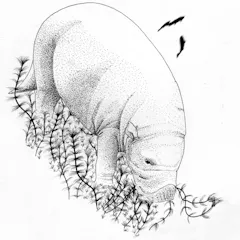
Sea cows (Sirenia) descended from four legged mammals that roamed Africa when this continent was isolated. They belong to the Afrotheria, the ‘African beasts’.
Top contributors
-

Postdoctoral researcher in genetics, University of Leicester
-
Adjunct Research Scientist in Marine Bioscience, University of Florida
-
Jenny Graves is a Friend of The Conversation.
Distinguished Professor of Genetics and Vice Chancellor's Fellow, La Trobe University
-
Research scientist, CSIRO
-
Researcher, Centre for the Study of Legacies of British Slave-Ownership, UCL
-
Associate Member, Fred Hutchinson Cancer Research Center and Affiliate Associate Professor of Genome Sciences and Microbiology, University of Washington
-
Professor and Deputy Research Division Leader (Organisms and Environment), Cardiff University
-
Associate Professor of Forensic Science, Murdoch University
-
Junior research fellow in virus evolution, University of Oxford
-
Senior Lecturer in Forensic Genetics, University of Huddersfield
-
Researcher in Biology, University of York
-
Research Fellow, National Institutes of Health
-
Associate professor, Università del Piemonte Orientale
-
Lecturer in Genetics and Archeology, University of Leicester
-
Professor, UCL