

In cardiology, sex and gender-sensitive diagnosis and treatment planning are crucial, but biological differences remain the missing link in AI-powered human virtual twin technology.
Articles on Digital twinning
Displaying all articles
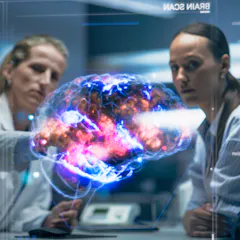
Existing digital models of the human brain risk missing out on what makes you ‘you’.
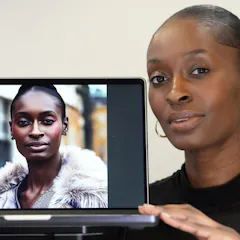
As digital replicas of real people become more common in image-based industries like fashion, urgent questions are emerging about the future of work in the cultural economy.
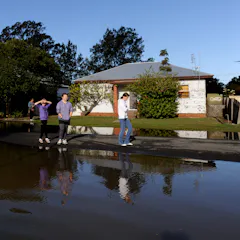
Researchers examined how disaster risk informs decisions about new housing. They found crucial problems that leave communities exposed.

Once the capital of the Mughal empire, Old Delhi is now under threat. Geo-information technology can reveal its previous form, function, and context, however, and so help preserve and bring it back to life.
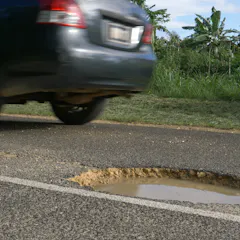
Potholes have appeared seemingly everywhere after the intense rains. They’re annoying and expensive to fix. But there may be a better way.

Digital twins could be used in the future to predict and influence our behaviour, but this raises concerns about who owns our data and how we can access and control it.

A digital twin is to a computer model as live video is to a still photo. These virtual replicas can be used to understand and make predictions about a wide range of complex systems, including people.
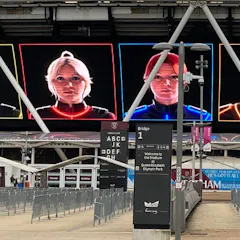
Creating holographic ‘digital twins’ will significantly reduce the stress, cost and logistical issues of touring – and means artists can live forever onstage.
Top contributors
-

PhD Student in Architectural and Landscape Heritage, Department of Architecture and Design, Politecnico di Torino
-
Associate professor, faculty of geo-information science and earth observation, University of Twente
-
Research associate, Swinburne University of Technology
-
Senior lecturer, Swinburne University of Technology
-
Professor, Infrastructuring Urban Futures, University of Twente
-
Associated professor, faculty of geo-information science and earth observation, University of Twente
-
Senior Lecturer in Digital Marketing, University of the West of Scotland
-
Associate Professor of Computer Engineering, Rochester Institute of Technology
-
PhD dandidate, faculty of geo-information science and earth observation, University of Twente
-
Adjunct professor, Carleton University
-
Senior Lecturer and Programme Leader for Performance, University of the West of Scotland
-
Professor of Computer Science, University of California, Irvine
-
Senior Lecturer in Urban and Regional Planning, Curtin University
-
Senior Lecturer, School of Design and the Built Environment, Curtin University
-
John Curtin Distinguished Professor, Curtin Business School, Curtin University