

A regional permafrost map can’t tell a builder if a particular foundation or road will survive as temperatures rise. Engineers need to see beneath the surface to find the weaknesses.
Articles on Digital twins
Displaying all articles
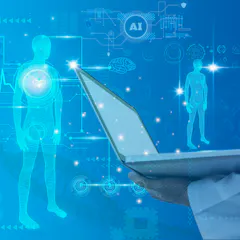
In cardiology, sex and gender-sensitive diagnosis and treatment planning are crucial, but biological differences remain the missing link in AI-powered human virtual twin technology.
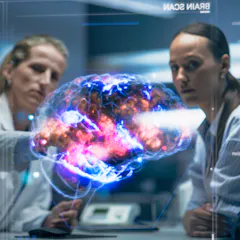
Existing digital models of the human brain risk missing out on what makes you ‘you’.

Data from readily available sensors can be used to digitally trial new systems – all without risking resources.
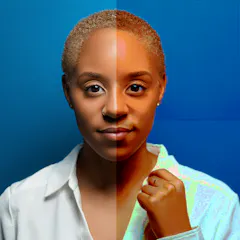
The idea of digital immortality raises many legal questions – and most of them don’t have a clear answer.
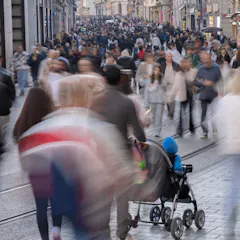
Urban digital twins pull together tremendous amounts of data to realistically model cities, but they’ve been missing a critical ingredient: people.

What if Canada could see the impact of wildfires, floods and traffic congestion before they happen?
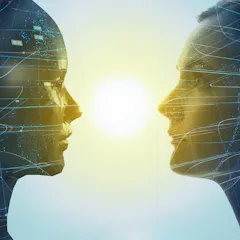
Digital duplicates of our brains could revolutionise mental healthcare.
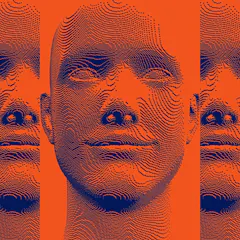
The use of digital clones of real-life models by the fashion industry raises questions about inclusion, consent and privacy.
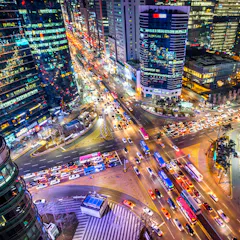
By 2050, the majority of the world’s population will live in cities. So how do we make them as liveable as possible?
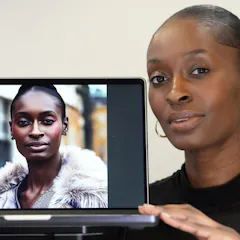
As digital replicas of real people become more common in image-based industries like fashion, urgent questions are emerging about the future of work in the cultural economy.
The technology is enhancing athletic performance, offering more personalised healthcare and improving workplace safety.
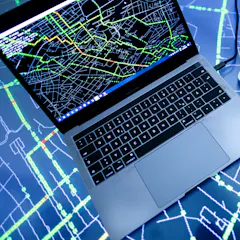
The combination of data and maps is useful for a lot more than just helping you get from point A to point B. Think natural disasters, global supply chains and climate change.
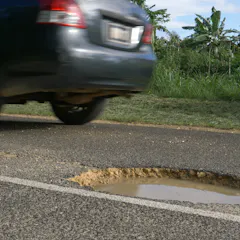
Potholes have appeared seemingly everywhere after the intense rains. They’re annoying and expensive to fix. But there may be a better way.

Digital twins could be used in the future to predict and influence our behaviour, but this raises concerns about who owns our data and how we can access and control it.

A digital twin is to a computer model as live video is to a still photo. These virtual replicas can be used to understand and make predictions about a wide range of complex systems, including people.
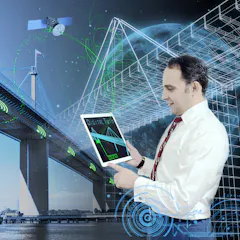
Creating a digital twin of infrastructure or services makes them easier to monitor and operate safely.
Top contributors
-

Senior Lecturer in Law, University of New England
-
Senior Research Fellow, Infrastructure Engineering, The University of Melbourne
-
Professor in Geomatics and SDI, The University of Melbourne
-
Associate Professor and Principal Fellow in Urban Risk and Resilience, The University of Melbourne
-
Lecturer, Beedie School of Business, Simon Fraser University
-
Principal Research Consultant & Team Leader, Data61, CSIRO
-
Associate Professor of Computer Engineering, Rochester Institute of Technology
-
Professor, Structural & Earthquake Engineering, University of British Columbia
-
Professor of Civil Engineering and Deputy Dean, Research and Innovation, School of Engineering, RMIT University
-
Associate Professor of Spatial Sciences, USC Dornsife College of Letters, Arts and Sciences
-
Research associate, Swinburne University of Technology
-
Adjunct professor, Carleton University
-
Director del Centro de Investigación Nebrija en Cognición (CINC) y Director de la International Chair in Cognitive Health (ICCH) en la Universidad Nebrija, Universidad Nebrija
-
Senior Research Fellow, Human-AI Decision Making, The University of Queensland
-
Senior Lecturer, School of Engineering, RMIT University