
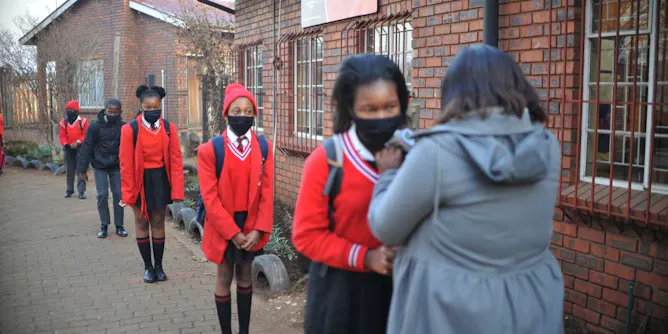
Researchers estimate that COVID-19 disruptions in 2020 set back the education system by five years.
Articles on Digital divide
Displaying 41 - 60 of 112 articles
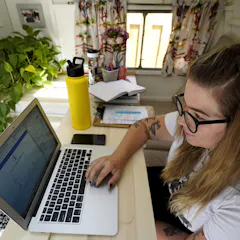
Claims the digital divide has been ‘closed’ don’t include the full picture of internet inequality in the United States.
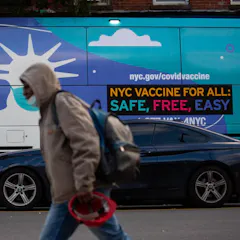
Vaccines and medical treatments can only go so far in an unequal society. Facing the ongoing history of racial discrimination and bias in the US would help end the pandemic.
Many vulnerable people are unable to engage with their energy usage online, leading to higher bills and even debt and illness.

Smart cities’ focus on technology has made the digital divide worse, not better. The new infrastructure law could change that.
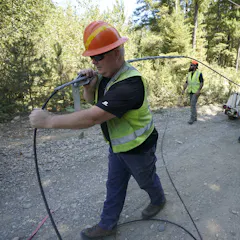
The Infrastructure Investment and Jobs Act designates broadband internet access as an essential service and targets billions of dollars to close the digital divide.

The police, the media and politicians have long objected Chief Keef’s ties to gang violence. But the rapper wrote the playbook for using social media to make a career out of music.
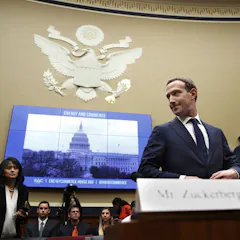
Pressure is mounting on Congress to take action on Facebook. Our panel of experts offers their top priorities: user control of data, banking-like oversight and resources to close the digital divide.

Monitoring of student behavior often extends beyond schoolwork and normal school hours. A privacy expert explains the harmful effects.

Privacy, security, access and design will need to be monitored as the UK moves to ‘appify’ public services.
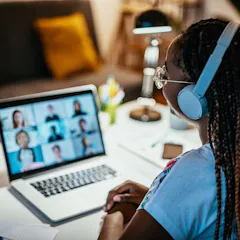
While the pandemic undoubtedly sped up the uptake of educational technology in higher education, it doesn’t point to an entirely online future.

Refugee women reported less internet use than men across all online activities, including banking, education, health services and social services.

Older people are often labelled technophobic, but since lockdown the digital divide is closing as more and more use technology to connect with others.

Auckland has risen to the top of a global liveable cities survey on the back of the country’s pandemic response. But that’s not the full picture.
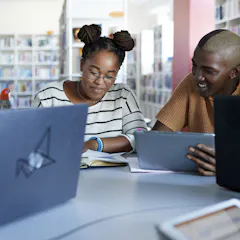
African governments should prioritise investment in high speed internet connectivity because it can have spillover benefits for education systems, as well as economic and social growth.
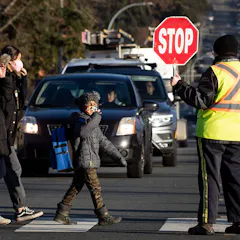
Comprehensive early childhood education, mental health support, internet connectivity and post-secondary funding are part of reducing the consequences of poverty so all students may excel.

Internet access should be a basic human right.

It’s time to create a special remote status for communities that struggle with connectivity challenges and lack access to high-speed internet.

New research shows COVID-19 threw existing inequalities into sharp relief: well-funded institutions were able to move their projects online, while smaller galleries struggled.
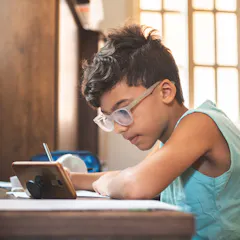
When homes become classrooms, things like a lack of technology and a quiet place to study take an even bigger toll on student achievement, new research finds.
Top contributors
-

Distinguished Professor of Media and Communications; Director, ARC Centre of Excellence for Automated Decision-Making and Society, RMIT University
-
Associate Professor of Public Affairs and Administration, Rutgers University - Newark
-
Assistant Professor, University of Kinshasa
-
Associate professor, University of the Western Cape
-
Professor, University of Fort Hare
-
Research professor, University of Cambridge; University of Cape Town
-
Research Fellow, ARC Centre of Excellence for Automated Decision-Making & Society, RMIT University
-
Adjunct Professor, Nelson Mandela School of Public Governance, University of Cape Town
-
Research Fellow, Centre for Social Impact, Swinburne University of Technology
-
Postdoctoral research fellow, RMIT University
-
Associate Professor of Communication, USC Annenberg School for Communication and Journalism
-
Professor of Information Systems, Michigan State University
-
Research Fellow, dot.rural, The Open University
-
Pro-VC, Sharda University
-
Professor in Communications Engineering, University of Aberdeen